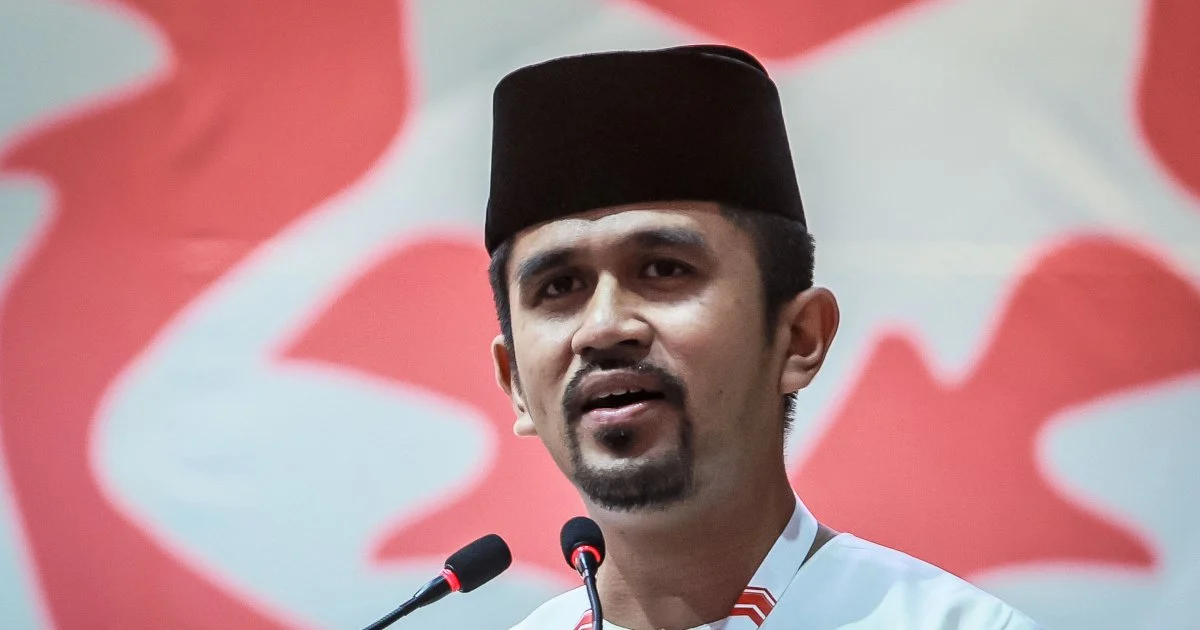
The Umno Youth leadership has launched a pointed critique of Pakatan Harapan's electoral strategy in Johor, with Barisan Nasional and Umno Youth secretary-general Hafiz Ariffin highlighting what he views as conspicuous gaps in the opposition coalition's candidate roster for the upcoming July 11 state election. The observation centres on several prominent Johor-based PH leaders who have apparently opted not to contest, a conspicuous omission that Ariffin suggests undermines the coalition's election readiness and grassroots confidence in the state.
This political move represents a strategic messaging initiative by the ruling coalition, seeking to amplify questions about PH's viability and internal cohesion ahead of a decisive ballot. By publicly drawing attention to the absence of recognisable opposition figures, BN aims to characterise PH as lacking sufficient senior leadership depth or confidence in their electoral prospects. The tactic reflects broader patterns of pre-election narrative-setting, where both major coalitions attempt to establish psychological momentum and shape voter perception before polling day.
Johor holds particular significance in Malaysian politics due to its economic importance, large population, and historical role as a power base for multiple prime ministers. The state's political complexion directly influences national power equations, making July 11 more consequential than a typical state-level contest. The absence of senior PH figures from the candidate lineup therefore carries implications beyond purely state-level politics, potentially signalling divisions within the opposition about resource allocation and electoral confidence in specific constituencies.
The candidacy choices made by any political party reflect multiple considerations including personal circumstances, constituency viability assessments, and internal strategic calculations. When senior figures decline to contest, observers typically interpret this through several lenses: reluctance to risk political capital in challenging seats, preference for focusing on other responsibilities, or organisational decisions to field different candidates. Hafiz Ariffin's decision to highlight these absences suggests BN believes the omissions are damaging enough to merit public commentary, viewing them as evidence of weakness rather than strategic flexibility.
For Malaysian voters and political observers, the composition of any party's candidate lineup serves as a window into internal priorities and confidence levels. The absence of recognisable names from prominent positions within a major coalition sends signals about which constituencies are deemed competitive, which leaders the party considers expendable, and whether senior figures retain sufficient confidence in electoral prospects to personally stake their political futures. These decisions inevitably generate speculation within party structures and the broader public sphere.
Pakatan Harapan's candidate selection process in Johor will have involved deliberation among coalition partners, each bringing their own strategic assessments and internal pressures. The Malaysian Democratic Party, Democratic Action Party, and Amanah—the primary PH components—must balance national considerations with state-level dynamics. Leadership decisions to avoid certain contests, whether driven by internal party calculations or broader coalition strategy, create opportunities for opponents to frame the narrative around perceived weakness or internal dispute.
Hafiz Ariffin's public questioning exemplifies how electoral campaigns increasingly operate beyond ballot mechanics into psychological warfare over perceptions of political strength. By naming the absence of senior opposition figures, BN Youth aims to plant doubt in voters' minds about PH's competence and commitment. Such criticisms, when amplified through media coverage and social platforms, accumulate into broader narratives that shape electoral sentiment. Opposition coalitions must therefore manage both their internal candidate selection rationales and the external political messaging surrounding those choices.
Johor's political landscape has shifted considerably since the last major electoral contest, with demographic changes, economic adjustments, and shifting voter preferences altering constituency-level dynamics. These transformations influence which candidates parties believe can successfully defend or capture specific seats. Senior leaders may be strategically deployed to defend traditionally safe seats rather than risk resources in competitive terrain, though this calculus changes when electoral tides shift in unexpected directions. The transparency with which such decisions are explained affects how voters and party members interpret those choices.
The July 11 election presents both coalitions with opportunities to reset political narratives and consolidate or expand support bases. For BN, highlighting apparent gaps in PH's leadership lineup serves tactical purposes in framing the choice as one between an organised, hierarchical ruling coalition and a fragmented opposition. For PH, the response to such criticisms will require explaining candidate decisions in ways that maintain morale, clarify strategic rationales, and assure party activists and supporters that leadership withdrawals reflect calculated strategy rather than capitulation or internal conflict.
Regional political observers note that candidate selection patterns across Southeast Asian democracies frequently reflect these same dynamics, where senior figures' presence or absence becomes a political signal. In Malaysia's context, where party affiliation carries personal, economic, and social implications, decisions about whether established leaders risk their standing in electoral contests generate acute interest. Voters often interpret such choices as indicating confidence or hesitation, with implications for turnout and voting behaviour that extend beyond simple candidate recognition.
Moving toward July 11, both coalitions will calibrate their messaging strategies based on how candidate lineups are perceived and discussed. BN's questioning of PH's senior leadership presence sets an early tone suggesting vulnerability, while PH must articulate coherent explanations for its selection process. The substantive competence and vision of candidates, regardless of seniority status, ultimately matters most to voters, yet the symbolic dimensions of who contests and who abstains significantly influence how electoral choice is framed and experienced in Malaysian politics.