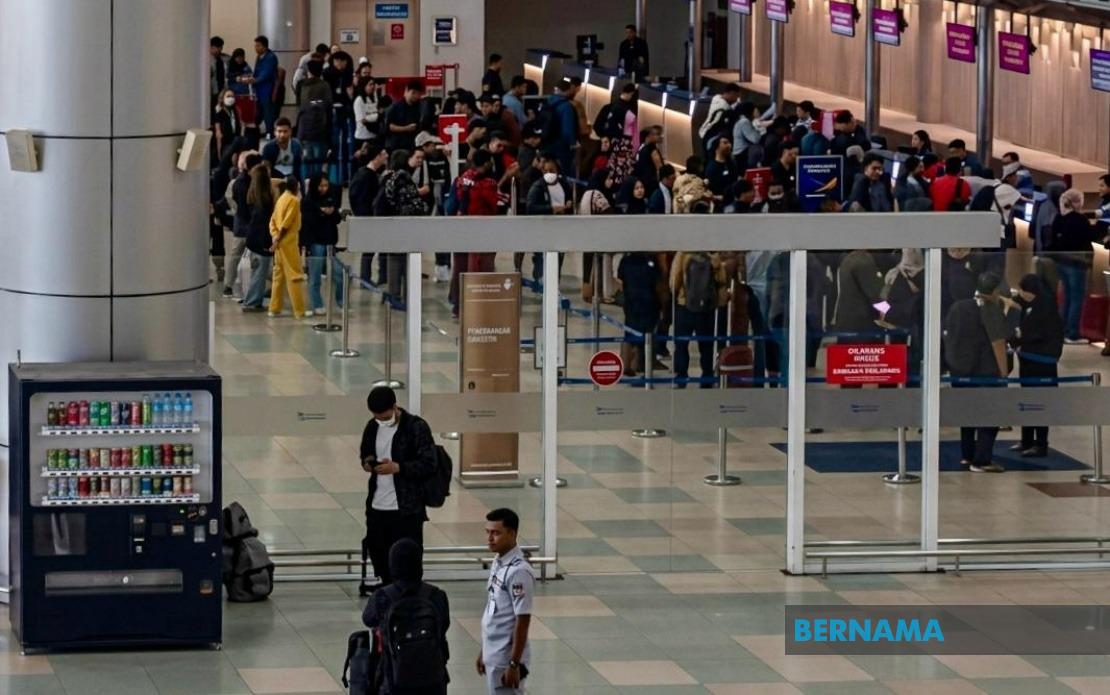
The discovery of explosives near Labuan Airport has triggered an immediate shutdown of runway operations, creating significant disruption to air traffic in the Borneo region. On June 26, the Royal Malaysian Air Force issued a Notice to Airmen at 5pm after bombs were found approximately 150 metres from the active runway, prompting authorities to implement precautionary measures that have cascaded across the airport's entire flight schedule.
The temporary closure represents a serious security incident for the federal territory's main aviation hub, which serves as a crucial transport link connecting Labuan with major population centres across Sabah and Sarawak. The RMAF and airport management have launched a coordinated inspection operation to assess the situation and determine when normal operations can safely resume. No timeline has been provided for the reopening, and authorities have made clear that clearance will only be granted once comprehensive safety assessments are completed.
The immediate fallout from the closure has been substantial. At least five scheduled flights departing between 4:05pm and 7:25pm have been directly affected, with destinations spanning Kuala Lumpur, Kota Kinabalu, and Miri. While some services have been cancelled outright, others have been rerouted to alternative airports or postponed indefinitely, leaving hundreds of passengers stranded and forcing rapid rebooking onto subsequent flights that may not depart until several hours later. The staggered closure times suggest the airport remained operational until the discovery was made, potentially catching numerous passengers and airlines off-guard.
For business travellers and those with time-sensitive commitments, the disruption carries real consequences. Labuan's strategic importance as a financial hub and offshore energy sector centre means that cancellations affect not only tourists but also professionals conducting critical commercial activity. The diversion of flights to Kota Kinabalu and Miri adds hours to journeys that would normally take less than 60 minutes, compounding delays across the broader regional aviation network as these alternative airports manage unexpected surge in traffic.
The discovery itself raises security questions that extend beyond the immediate airport closure. The presence of explosive devices within the airport perimeter, albeit at a distance from the runway, indicates a serious breach in the facility's security protocols. While authorities have not yet released details about the nature of the devices, their origin, or how they came to be placed so close to critical aviation infrastructure, the incident underscores vulnerabilities that may require systemic review. Labuan Airport, despite its significance, may lack the comprehensive security apparatus of larger Malaysian aviation hubs.
Airlines operating from Labuan have had to activate their contingency protocols with minimal notice. The simultaneous disruption of multiple services creates cascading problems throughout their networks, as crews, aircraft, and passengers must be redistributed across remaining capacity. Carriers serving the route, particularly those with limited frequencies between Labuan and major destinations, face particular strain in accommodating affected passengers and managing the commercial impact of cancellations.
Passengers caught in the disruption face uncertainty and inconvenience during what should be straightforward regional travel. Those heading to Kuala Lumpur face the longest journey time if forced to reroute through Kota Kinabalu or Miri, potentially adding four to six hours to their total travel time. Families, elderly travellers, and those with connecting flights elsewhere are particularly vulnerable to the ripple effects of cascading delays. Airlines have advised all affected passengers to contact their carriers directly for rebooking options, placing the burden of problem-solving on travellers rather than providing coordinated assistance.
The incident also highlights Labuan's relative isolation within Malaysia's aviation network. Unlike Kuala Lumpur International Airport or even Kota Kinabalu International Airport, which have extensive alternative routes and backup facilities, Labuan operates with more limited redundancy. A single runway closure therefore translates directly into total operational shutdown, whereas larger hubs can partially mitigate disruptions by rerouting traffic to secondary runways or parallel facilities. This structural vulnerability has long-term implications for infrastructure planning in the federal territory.
From a regional perspective, the incident affects the broader Brunei-Malaysia-Sarawak transport corridor. Travellers transiting through Labuan, whether for business in the offshore sector or connections to Sarawak's interior, face particular complications. The closure disrupts what is already a relatively thin network of air services connecting these geographically dispersed population centres, emphasising how quickly security incidents in smaller airports can fragment regional connectivity.
Authorities have stressed that further information will be released as investigations proceed, but have provided no indication of when normal operations might resume. The RMAF's ongoing inspection will likely take several hours at minimum, and any discovery of additional devices or security concerns could extend the closure significantly. Passengers are strongly advised to contact their airlines before travelling to the airport, as conditions remain fluid and formal reopening announcements may lag actual operational resumption by several hours.
The broader security implications of this incident will likely prompt a review of protocols at Labuan Airport and potentially at other smaller regional facilities across Malaysia. Questions will inevitably arise regarding perimeter security, surveillance systems, and the speed at which threats can be detected and neutralised. While authorities work to resolve the immediate crisis, the underlying security architecture of Labuan's aviation infrastructure will come under increased scrutiny from both federal oversight bodies and international aviation regulators.

