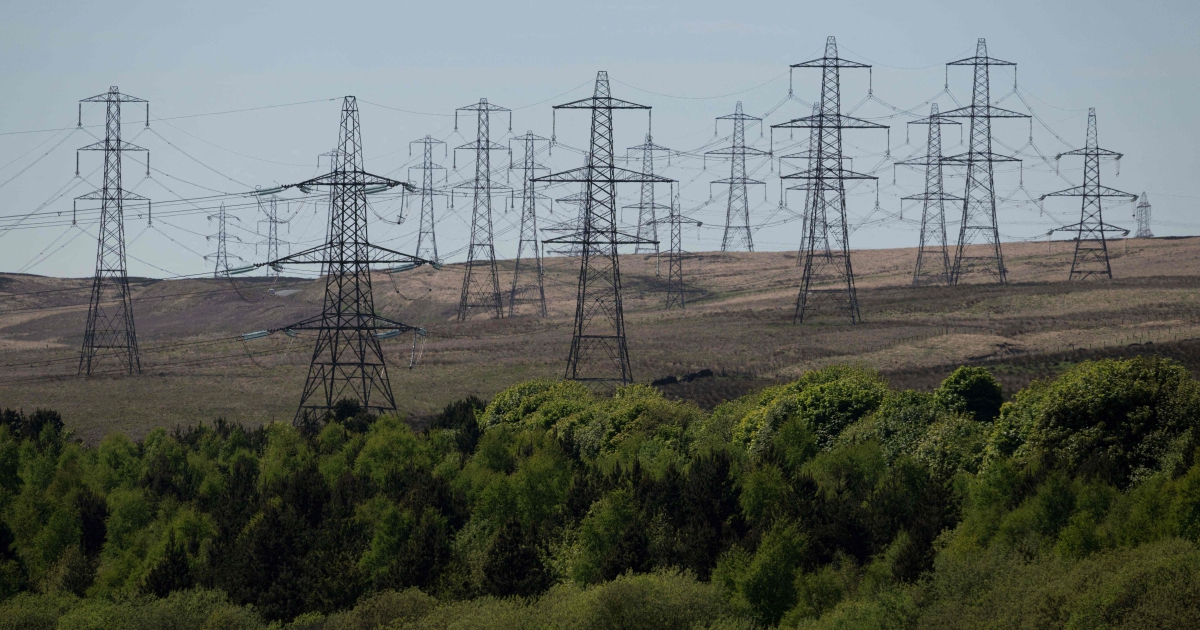
Britain's newly appointed Prime Minister Andy Burnham has signalled his intention to reduce the tax burden on electricity bills, marking an early policy move to deliver on his election commitments to ease the cost-of-living crisis gripping households and businesses. The announcement, released through an official Downing Street statement on Tuesday, underscores the incoming government's prioritisation of energy affordability as it takes the helm of a nation grappling with sustained inflationary pressures and reduced household purchasing power.
The British cost-of-living crisis has persisted for over two years, placing enormous strain on family budgets and forcing difficult choices between heating homes and purchasing food. Energy bills have been a particular flashpoint, as consumers have watched their electricity costs climb sharply following regional supply disruptions and broader energy market volatility. Against this backdrop, Burnham's administration appears determined to demonstrate swift action on pocketbook issues that directly affect voters' daily lives, suggesting that energy relief will serve as a cornerstone of its early governance.
Electricity taxes represent one of several levies embedded in household bills that have accumulated over decades of policy layering. These charges fund various government initiatives, renewable energy programmes, and legacy obligations within the energy system. By targeting tax reductions specifically, rather than broader price controls or subsidies, the government is attempting to make a meaningful impact on bills while preserving market mechanics and avoiding the fiscal complications associated with open-ended support measures. The approach reflects an effort to balance immediate relief with longer-term economic stability concerns.
The announcement resonates particularly strongly with working-class and middle-income families who have experienced genuine hardship over recent years. Energy represents a non-discretionary expense—unlike many household costs, people cannot simply reduce consumption without genuine physical consequences during winter months. This reality has transformed energy bills from a routine utility payment into a symbol of broader economic distress, making it a political priority that transcends traditional left-right divides.
For Malaysia and other Southeast Asian nations monitoring international energy policy developments, Britain's approach offers instructive lessons. While tropical economies face different seasonal heating pressures, rising electricity costs remain a universal challenge as nations transition toward cleaner energy infrastructure. The British government's attempt to reconcile environmental commitments with affordability concerns mirrors dilemmas facing policymakers across the region, where renewable energy investment often comes with upfront cost implications for consumers. The tax reduction strategy suggests that policy adjustments within existing fiscal frameworks may offer faster relief than infrastructure overhauls.
The timing of Burnham's announcement carries significance beyond mere policy detail. New governments typically experience a brief honeymoon period during which public expectations remain elevated and opposition scrutiny may be less intense. By moving quickly on cost-of-living measures, the administration seeks to establish credibility on its primary campaign promise and build early momentum before inevitable resistance to other policy initiatives emerges. This calculus—announcing popular measures early while the political capital is fresh—demonstrates standard governance strategy across democracies.
Electricity taxation exists at multiple levels within Britain's system, involving national excise duties, environmental levies, and infrastructure contributions that accumulate across the supply chain. The specifics of which taxes Burnham's government intends to reduce will prove crucial to determining the actual household savings. A reduction in VAT applied to bills would prove more generous than eliminating a smaller specific environmental charge, yet each approach carries different implications for government revenues and long-term energy investment capacity. The detailed mechanics will likely emerge as the government develops legislative proposals.
The broader energy landscape provides context for why this measure matters beyond immediate bill relief. Britain has committed to substantial renewable energy expansion and grid modernisation, investments that require sustained funding. Reducing current taxation creates tension between short-term consumer relief and long-term infrastructure needs. How the government navigates this tension—whether through increased borrowing, spending reallocation, or phased reductions—will indicate whether this represents genuine policy philosophy or tactical crisis response.
International observers note that energy crises have triggered significant political shifts across developed economies in recent years. Governments perceived as inadequately responsive to energy affordability concerns have faced electoral punishment. Burnham's early action on this issue reflects lessons learned from recent political upheaval elsewhere in Europe, where energy costs contributed materially to public dissatisfaction. By addressing the issue immediately and visibly, the new British administration aims to forestall similar backlash before it accumulates.
The electricity tax reduction announcement also signals the government's confidence in its fiscal position and priorities. Rather than implementing austerity measures, Burnham's team is choosing investment in consumer welfare through tax reductions. This reflects both their assessment of current economic conditions and their political mandate. Whether such measures prove sufficient to genuinely ease the cost-of-living crisis, or whether they represent merely a partial response to a deeper structural challenge, will become apparent as households experience their next billing cycles and the administration pursues additional policy initiatives.

