A sprawling wildfire consuming vast swathes of British Columbia continues to defy containment efforts, though officials reported on Sunday that the rate of spread has begun to decelerate. The blaze has already ravaged an area exceeding 100 square kilometres, a scale that has prompted one of the province's largest emergency evacuations in recent memory, with more than 20,000 residents forced to abandon their homes.
The fire's trajectory represents both an evolving threat and a slight respite for emergency responders. As the flames have advanced to reach Okanagan Lake, the natural water barrier appears to be slowing the wildfire's northward progression—a critical development given the severity of conditions that have dominated the region. Emergency personnel remain heavily focused on the town of Summerland, a community of approximately 12,000 people, where firefighters are concentrating resources to shield residential areas on the town's periphery from encroaching flames.
The humanitarian toll continues to mount as evacuation orders affect roughly 10,000 properties across the region. Among the most alarming incidents during the crisis, emergency responders rescued more than 50 people by helicopter who had become trapped by advancing flames, highlighting the speed at which conditions can deteriorate. Police are investigating a reported fatality linked to the fire, though verification remains incomplete at this stage.
The Federal Government in Ottawa has activated its emergency response machinery, committing concrete support to residents displaced by the disaster. Eleanor Olszewski, the Minister of Emergency Engagement, announced that a formal request for federal assistance from British Columbia had received approval, with provisions including temporary housing for evacuated families and logistical coordination for relief efforts. This federal intervention underscores the scale of the challenge facing provincial authorities.
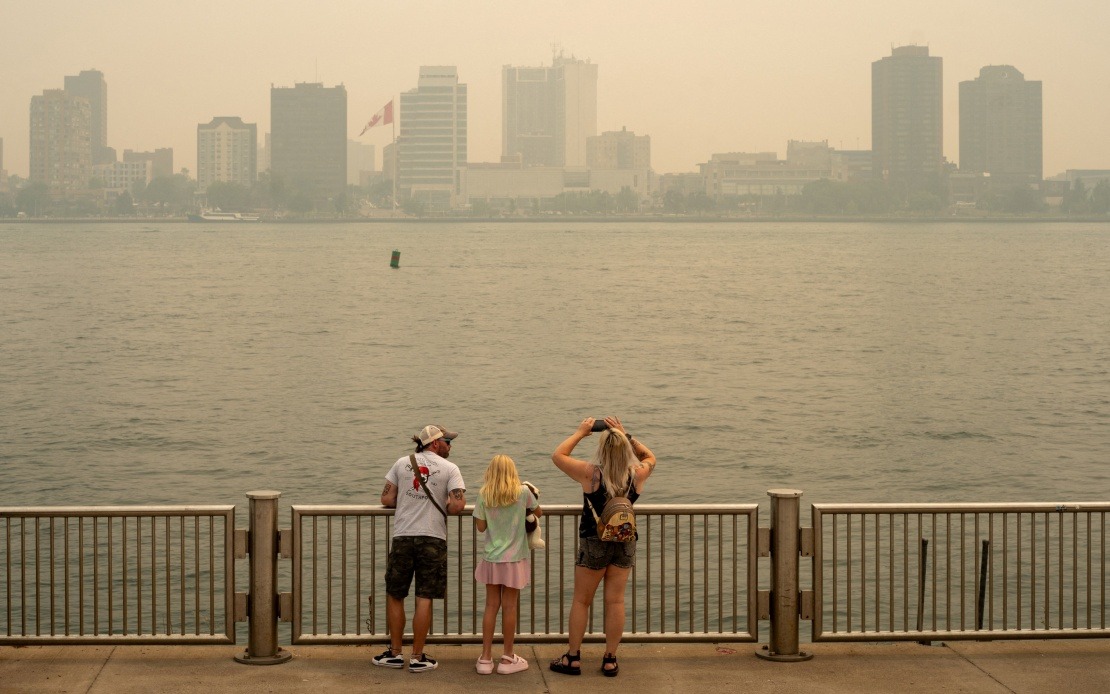
Weather patterns continue to work against firefighting operations. The combination of elevated temperatures, persistently dry conditions, and dense smoke has created what fire management specialists recognize as optimal conditions for wildfire propagation and intensification. These meteorological factors have significantly complicated aerial operations, ground-based containment strategies, and the overall visibility and coordination of emergency response teams working around the clock.
The crisis has transcended Canada's borders, with British Columbia receiving international firefighting assistance from three countries. Mexico, Australia, and New Zealand have deployed personnel and resources to support Canadian efforts, reflecting both the scale of the emergency and the growing international cooperation on wildfire management in the age of climate-driven fire seasons. This multilateral response demonstrates how increasingly common megafires have become across diverse geographies.
Provincial leadership declared a state of emergency across British Columbia on Saturday, a measure triggered by the sheer number of simultaneous wildfires burning throughout the province. Current tallies indicate more than 100 active fires, with approximately half remaining beyond the control of existing firefighting resources. This fragmentation of the crisis—with multiple major incidents occurring simultaneously—has stretched provincial emergency services to their operational limits.
British Columbia's struggle reflects a broader pattern sweeping across eastern Canadian provinces during this fire season. Ontario and Quebec have both battled significant wildfire incidents, suggesting that climate conditions favouring major fire activity have affected a much larger geographic area than the immediate British Columbia crisis. For Malaysian and Southeast Asian observers, these escalating North American fire seasons offer cautionary lessons about regional vulnerability to climate-driven natural disasters, particularly given Southeast Asia's own experiences with transboundary smoke and seasonal fire crises.
The BC wildfire crisis carries implications beyond immediate humanitarian concerns. Supply chain disruptions, air quality impacts across western North America, and the long-term recovery and rebuilding costs will shape regional economics for years. Insurance markets, forestry operations, and tourism industries dependent on natural landscapes face substantial challenges. As climate patterns continue to shift, the frequency and intensity of such events may become the new normal rather than exceptional circumstances, requiring fundamental changes to emergency preparedness, urban planning, and resource allocation across affected regions.

