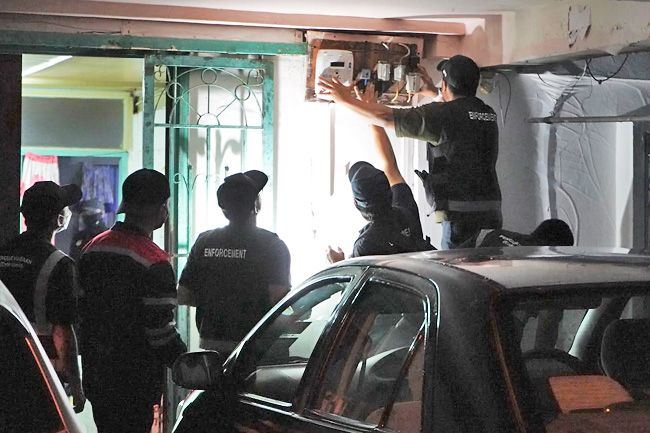
A coordinated enforcement sweep across Bandar Seri Begawan has yielded multiple regulatory violations, reflecting the intensifying compliance efforts by Brunei's government agencies in ensuring adherence to national laws. Spanning two locations within the capital, the operation culminated in the detention of one foreign man and one foreign woman for investigation under provisions of the Immigration Act, marking a tangible outcome from what officials characterised as a demonstration of institutional collaboration and commitment to public safety.
The breadth of the enforcement action underscores the multi-agency approach increasingly adopted by Brunei authorities to address overlapping regulatory concerns. Beyond the immigration-related detentions, the Labour Department identified five separate violations during the operation. Three of these fell under Section 81, specifically targeting employers who had failed to furnish workers with appropriate living quarters or maintain acceptable standards of environmental hygiene as mandated by local regulations. The remaining two breaches involved undisclosed workers' accommodation facilities recorded against foreign worker licences, indicating potential gaps in the documentation and transparency required under Section 86.
Electrical safety compliance also emerged as a focal point during the operation. The Department of Electrical Services detected two distinct violations under the Electricity Act (Chapter 71), suggesting that some premises within the targeted areas had not met statutory requirements governing electrical installations and safety protocols. While the specific nature of these breaches was not disclosed, electrical violations in commercial and residential settings carry particular significance given potential hazards to occupants and public infrastructure.
A notable component of the operation involved the Human Trafficking Investigation Unit, which conducted interviews with 19 individuals across both enforcement sites. Despite the scale of these interviews and the multi-agency presence, investigators found no evidence of human trafficking offences during the operation. This outcome, while reflecting the absence of detected trafficking crimes on this occasion, highlights the continued vigilance that Brunei authorities maintain as part of their broader commitment to combating modern slavery and labour exploitation.
For Malaysian and Southeast Asian readers, this operation exemplifies the type of cross-agency enforcement increasingly common throughout the region as governments tackle complex compliance issues that often involve multiple legal frameworks. The coordinated approach combining immigration, labour, electrical, customs, and religious enforcement divisions demonstrates how smaller nations like Brunei attempt to maximise enforcement efficiency by pooling resources and sharing intelligence across departments. Such models offer lessons for larger regional economies wrestling with similar coordination challenges.
The magnitude of the operation itself merits examination. Over 200 enforcement personnel from more than a dozen government bodies descended upon the two locations, suggesting that authorities had either received substantial prior intelligence or had designated these sites as priority areas for compliance verification. The involvement of the Narcotics Control Bureau, Royal Customs and Excise Department, and Internal Security Department indicates that the operation extended beyond conventional labour and electrical inspections, potentially addressing concerns spanning drug trafficking, smuggling, and security matters.
Acting Commanding Officer of the Brunei-Muara Police District Superintendent Mohamad Noor Abd Rahman led the operation, lending institutional weight to the enforcement action and signalling that the police force viewed the initiative as sufficiently significant to warrant senior leadership engagement. This hierarchical involvement often precedes intensified enforcement phases or indicates response to particular community concerns that have reached higher levels of government.
The regulatory framework governing foreign workers and their accommodation represents an ongoing challenge across Southeast Asia, where rapid labour migration and employment of international staff have outpaced some jurisdictions' capacity to enforce comprehensive oversight. Brunei's detection of multiple accommodation-related violations suggests that despite statutory requirements, some employers continue to operate outside legal parameters, potentially driven by cost pressures or incomplete awareness of obligations.
The operation's timing and scope also reflect Brunei's broader governance priorities. The involvement of the Religious Enforcement Division hints at concerns that may extend into observance of religious regulations, a unique element of Brunei's enforcement landscape given the nation's position as an Islamic sultanate with specific legal codes governing personal and commercial conduct aligned with Islamic principles. This integration of religious oversight with conventional regulatory enforcement distinguishes Brunei's approach from that of many neighbouring jurisdictions.
For regional observers, the operation underscores the increasing sophistication of enforcement coordination in smaller Southeast Asian nations. Rather than siloed departmental action, Brunei has mobilised a comprehensive state apparatus spanning labour, immigration, customs, security, and municipal authorities in a unified operation. This approach, while resource-intensive, enables authorities to detect multiple violations that might otherwise escape notice if individual departments operated independently.
The detention of two foreign nationals for immigration investigation opens questions about the specific nature of their alleged breaches, though such details typically remain confidential pending formal investigation proceedings. Immigration violations in the region range from employment without proper authorisation to overstaying visa conditions, and detentions often culminate in deportation proceedings following investigation.
Moving forward, the detected violations suggest areas requiring enhanced employer education and compliance support. The repeated documentation failures regarding workers' accommodation in foreign worker licences indicate that some employers may lack clarity on filing requirements or perceive compliance costs as prohibitive. Whether Brunei will couple enforcement actions with advisory or capacity-building initiatives remains to be seen, though regional experience suggests that sustained compliance improvement often requires combined enforcement and support strategies.

