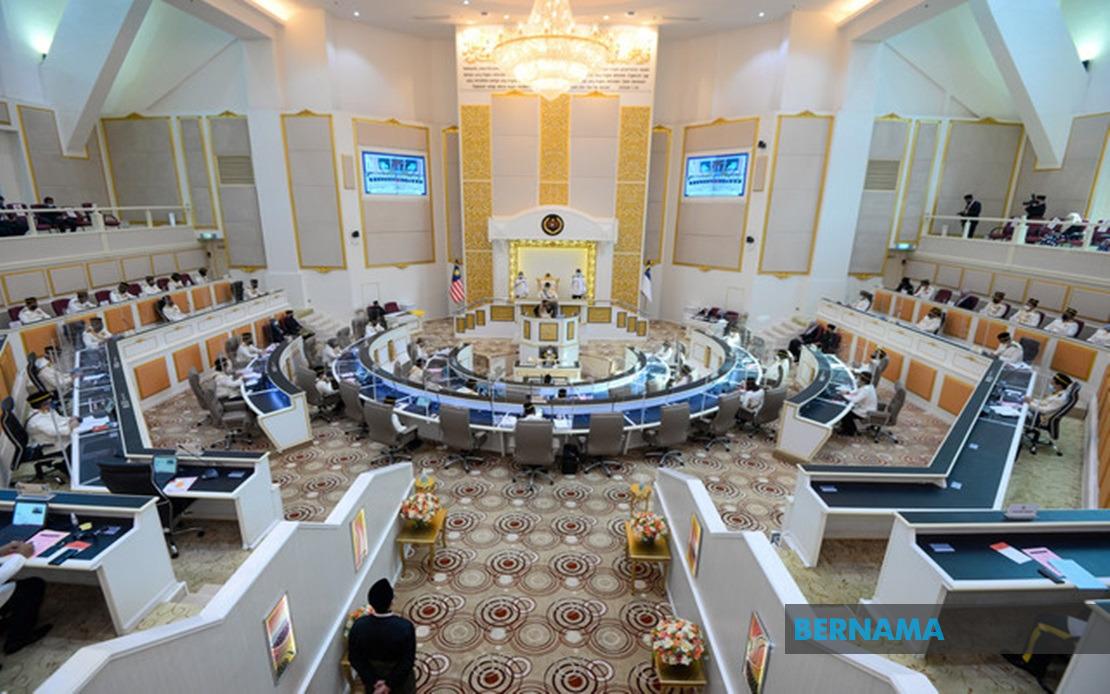
Melaka's plans to upgrade healthcare services in Bukit Rambai will move forward only after Parliament receives the 2027 Budget announcement this October, according to remarks made in the state assembly. The proposed Type 3 Bukit Rambai Health Clinic has been submitted to the Ministry of Economy as part of Rolling Plan 2 under the 13th Malaysia Plan, with a final decision on construction funding expected to come through the budget process.
Datak Ngwe Hee Sem, who chairs the State Health, Human Resources and Unity Committee, outlined the project's status during assembly proceedings. Site preparation work has already been completed at the proposed location, directly across from the existing Bukit Rambai Health Clinic, demonstrating the state government's commitment to advancing the initiative. Once approved and construction begins, the project is anticipated to span three years before opening its doors to serve the community.
The expansion addresses a significant gap in Bukit Rambai's healthcare infrastructure. Currently, residents seeking specialist services or certain procedures must travel elsewhere, straining both patients and existing facilities. The new clinic will introduce radiology and X-ray capabilities, a substantial addition that currently forces many locals to seek imaging services in neighbouring areas. This geographic barrier to care has prompted the proposal, which aims to bring diagnostic services within arm's reach of Bukit Rambai residents.
Dental healthcare represents another critical service component of the expansion. The new facility will house five dental chairs, transforming access for a population that presently lacks comprehensive in-clinic dental treatment options. Beyond routine check-ups and cleanings, the dental suite will enable more complex restorative and preventive procedures that residents currently cannot obtain locally. For families managing multiple dental needs, this addition would eliminate the time and cost associated with travelling to centralised dental facilities.
Nutrition and dietetics services will round out the clinic's enhanced capabilities, reflecting modern healthcare's emphasis on preventive and lifestyle medicine. Obesity, diabetes, and diet-related conditions increasingly affect Malaysian populations, and access to professional nutritional guidance at community health clinics has proven effective in managing chronic diseases. The addition of trained dietitians would enable the clinic to support residents in making informed dietary choices and managing nutrition-sensitive health conditions.
Supplementary allied health services will extend the clinic's therapeutic reach. Optometry services will allow eye health screening and basic vision correction without distant referrals, while physiotherapy and occupational therapy will serve residents recovering from injury or managing chronic musculoskeletal conditions. Speech therapy addresses communication disorders often affecting children and stroke patients, while counselling psychology and medical social work provide mental health and psychosocial support essential for holistic care.
The expanded facility will fundamentally restructure how primary and secondary services integrate in Bukit Rambai. Current outpatient services, emergency care, maternal and child health programmes, laboratory testing, and pharmacy operations will benefit from upgraded infrastructure and reduced congestion. The three-year construction timeline is realistic for a Type 3 clinic, which represents a substantial upgrade from basic community health facilities and requires more sophisticated systems and training.
For Malaysian healthcare planning more broadly, the Bukit Rambai project reflects an important trend: decentralising specialist services to reduce pressure on overburdened urban hospitals. By placing radiology, dental, and allied health capabilities at the neighbourhood level, the health system can improve accessibility while freeing tertiary facilities to focus on complex cases requiring advanced intervention. This approach aligns with recommendations from healthcare policy experts who advocate strengthening primary care as a buffer against rising demand.
Waiting times represent a recurring complaint in Malaysia's public health system, and the project directly addresses this frustration. Overcrowded clinics contribute to delayed diagnoses and poor patient experiences. A dedicated new facility with multiple service points will distribute demand, reducing patient queues and enabling healthcare workers to provide more attentive care. This quality-of-life improvement matters particularly for working families and elderly residents who cannot afford extended clinic visits.
The October 2027 Budget announcement will ultimately determine whether Melaka's healthcare ambitions advance. Budget cycles are predictable but uncertain; competing priorities across the nation may shift allocations. However, the completion of site preparation work signals serious state-level intent and suggests the proposal has earned internal government support. Given Malaysia's ongoing challenges with rural and semi-rural healthcare access, approving such projects sends important signals about urban expansion planning and equitable service distribution.
For Bukit Rambai residents, the waiting period extends uncertainty. Infrastructure improvements require patience and political commitment, and budgetary approval will be just the beginning of a three-year construction journey. Yet the proposal's advanced stage and detailed service specifications indicate genuine planning rather than speculative discussion. When the 2027 Budget is tabled in Parliament, Melaka will discover whether this healthcare vision becomes reality or returns to the drawing board.

