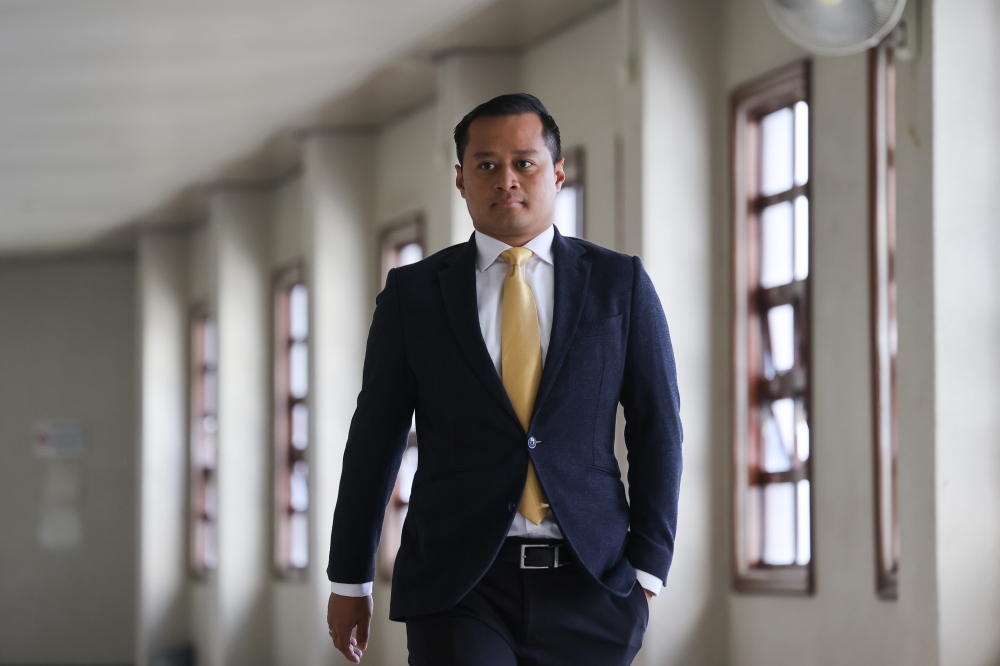
A businessman at the centre of a high-profile corruption case has revealed to the High Court that he only learned of a substantial political donation made in his company's name when it was already complete. Shahrin Shamsuddin's testimony during the trial of former Prime Minister Muhyiddin Yassin provides a rare glimpse into the inner workings of party financing and corporate-political relationships in Malaysia, raising fresh questions about governance, disclosure, and accountability.
The trial, heard before the High Court in Kuala Lumpur, concerns allegations that Muhyiddin Yassin misused his position as Prime Minister and later as Bersatu chairman to solicit and receive funds. Shahrin's evidence centres on a transaction involving his family company and a substantial sum directed toward the political party. His discovery that his brother had authorised such a contribution without consultation or permission underscores potential vulnerabilities in how corporate assets are managed and allocated, particularly when family interests intersect with political sponsorship.
According to Shahrin's account, the donation amounting to RM13.7 million was processed through channels that did not involve him despite his position within the company. The revelation suggests a significant disconnect between formal corporate governance practices and actual decision-making within the enterprise. In Malaysia's business environment, where family-run companies remain prevalent, such arrangements are not uncommon, though they often operate in legal grey areas that complicate questions of consent, authority, and proper procedures.
The case illuminates broader patterns within Malaysian politics concerning the acquisition of funds by ruling parties. Bersatu, formed in 2016 by Muhyiddin Yassin and other former UMNO members, has faced scrutiny regarding its financial sources since its inception. Understanding how political funds flow into party coffers—and the extent to which benefactors act with full transparency—remains a pressing concern for regulators, civil society observers, and voters seeking greater political integrity.
During his testimony, Shahrin detailed the circumstances surrounding his discovery of the donation. His account suggests that conventional corporate authorisation procedures were bypassed, with his brother apparently acting unilaterally in committing company resources to a political entity. Such arrangements raise critical questions about fiduciary duty, the scope of individual authority within family enterprises, and whether proper audit trails existed to document the transaction.
The donation itself represents a significant commitment of corporate capital. RM13.7 million constitutes a substantial outlay for any private company, and its allocation to party coffers without consensus among stakeholders points to potential governance lapses. In jurisdictions with stricter corporate oversight, such unilateral transfers might trigger auditor warnings or shareholder disputes. The Malaysian corporate landscape, however, continues to evolve in areas of transparency and internal accountability.
Muhyiddin Yassin's legal troubles extend beyond this particular matter. The former Prime Minister, who served from March 2020 to August 2021 during the COVID-19 pandemic, has faced multiple charges across separate trials. These cases collectively paint a picture of political leadership under legal scrutiny—a development that carries implications for perceptions of institutional credibility and the effectiveness of Malaysia's anti-corruption apparatus. The trials have also intensified public discourse around the use and abuse of executive power.
For Malaysian businesses and investors, Shahrin's testimony carries practical implications. It reinforces the importance of documented approval processes, segregation of duties within corporate hierarchies, and transparent communication between stakeholders regarding capital allocation. Companies that have made political contributions—whether directly or through intermediaries—may face renewed pressure to demonstrate that such decisions followed proper procedures and received appropriate authorisation from governing bodies.
The intersection of corporate funding and political parties remains a contentious issue across Southeast Asia. Malaysia, alongside neighbouring Singapore and Thailand, grapples with finding equilibrium between enabling political participation and preventing the concentration of undue influence through financial contributions. Robust disclosure requirements and sanctions for violations represent tools available to policymakers seeking to strengthen democratic institutions and public trust.
Bersatu itself faces reputational challenges stemming from revelations about its funding mechanisms. As a coalition partner in Malaysia's current government, the party's financial practices attract closer examination from both critics and supporters. The ongoing trial of Muhyiddin Yassin, its founder and former chairman, inevitably shapes public perception of the party's commitment to institutional propriety and ethical governance standards.
The High Court proceedings are expected to continue, with additional witnesses and evidence yet to be presented. Shahrin's testimony represents one piece of a larger evidentiary puzzle that the court will eventually weigh in determining culpability and appropriate remedies. The outcome will signal to Malaysian society the extent to which legal frameworks can effectively address misconduct at senior political levels and corporate governance failures.
For observers monitoring Malaysia's progress toward greater institutional accountability, this trial carries symbolic weight beyond the specific charges. It demonstrates that senior political figures remain subject to judicial scrutiny and that corporate-political relationships can become subjects of public examination and legal review. Whether the ultimate verdict strengthens or undermines confidence in Malaysia's institutions remains to be seen, but the trial itself reflects an ongoing commitment to testing these systems under pressure.

