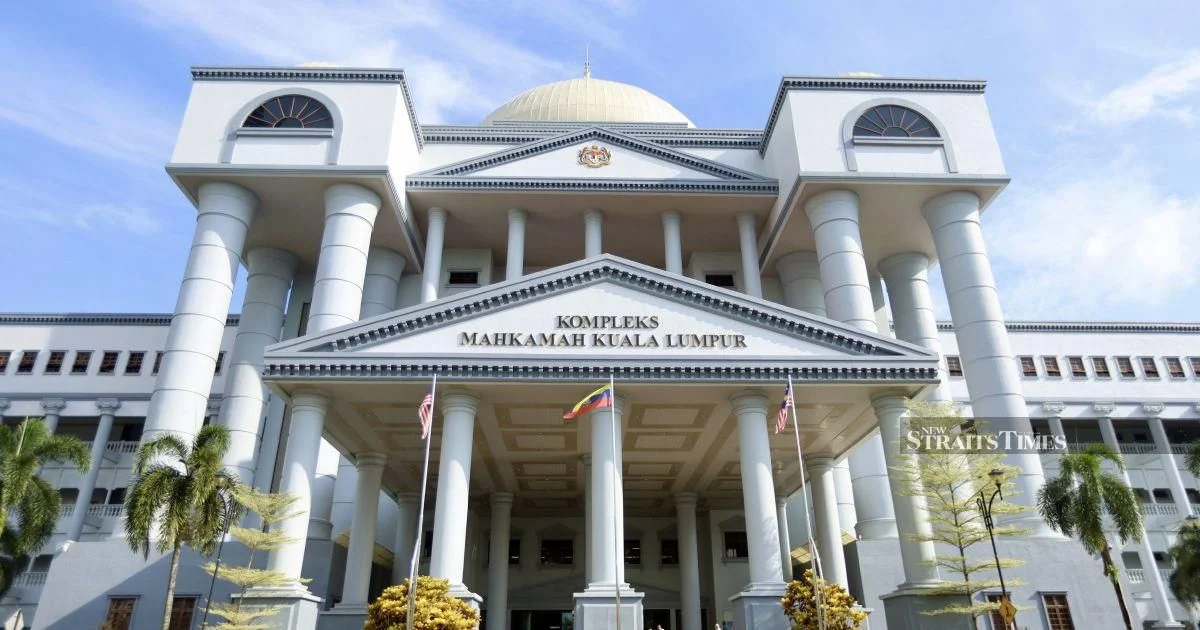
Malaysian businesswoman Sofia Rini Buyong is scheduled to make her court appearance at the Kuala Lumpur magistrate's court tomorrow to be formally charged with criminal defamation over remarks that authorities allege were damaging to another party's reputation.
The case marks another instance of criminal defamation prosecution in Malaysia, a jurisdiction where such charges have grown increasingly common in recent years. Criminal defamation, distinct from civil libel proceedings, carries potential criminal penalties including fines and imprisonment, making the prospect considerably more serious than purely civil remedies.
Defamation law in Malaysia remains a contentious area, balancing free speech considerations against individual protection from false and injurious statements. The Penal Code provisions on criminal defamation have drawn scrutiny from press freedom advocates and legal scholars who argue that vague definitions can chill legitimate public discourse and investigative reporting. However, authorities maintain that such statutes are essential safeguards against malicious falsehoods that damage reputations and public order.
Buyong's case arrives amid heightened awareness of defamation suits in the Malaysian business and professional communities. Corporate figures, entrepreneurs, and public personalities increasingly find themselves navigating complex legal waters when making public statements about competitors, business practices, or other matters of dispute. The distinction between protected opinion and actionable false fact remains a critical legal question that courts must resolve in each case.
Criminal defamation prosecutions require the prosecution to demonstrate not merely that a statement was false, but that it was made with sufficient knowledge of falsity or reckless disregard for truth. The burden of proof remains with the state to establish guilt beyond reasonable doubt, a notably high threshold that distinguishes criminal from civil proceedings. However, the mere fact of formal charges carries significant reputational implications for any accused party before trial conclusions are reached.
The Malaysian legal framework distinguishes between several categories of defamatory conduct, including statements published through traditional media, social media platforms, and direct communications. In the digital age, the rapid dissemination of statements online has complicated prosecution efforts and expanded potential liability exposure for speakers, as the internet's amplifying effects mean that defamatory statements can reach vastly larger audiences than traditionally published material.
Businesswomen and female entrepreneurs in Malaysia have increasingly become subjects of defamation claims, reflecting broader patterns of heightened professional competition and more aggressive use of legal mechanisms in commercial disputes. The experience of facing such charges can substantially impact professional standing, business relationships, and personal wellbeing, regardless of ultimate trial outcomes.
The magistrate's court in Kuala Lumpur, Malaysia's largest urban jurisdiction, handles numerous defamation matters annually. These courts serve as the first point of criminal prosecution entry, determining whether charges should proceed to higher courts or be resolved at the magistrate level depending on case severity and plea arrangements that may emerge during proceedings.
Tomorrow's court appearance will likely involve procedural matters rather than substantive trial proceedings, as initial hearings typically focus on confirming identity, formally charging the accused, and establishing dates for subsequent hearings. Legal representation will be crucial at this stage, as early procedural decisions and bail considerations can significantly influence case trajectories.
The broader implications of defamation prosecutions extend beyond individual cases to shape Malaysia's overall legal and corporate environment. Businesses and professionals must carefully consider the legal ramifications of public statements, contributing to a cautious communication culture in some circles. Conversely, this legal environment must also protect legitimate criticism and accountability mechanisms essential to functioning democratic systems and transparent corporate governance.
Defamation law continues to evolve as courts grapple with digital communication's unique challenges and society debates appropriate balances between reputation protection and expression freedom. International human rights bodies have periodically examined Malaysia's defamation provisions, recommending reforms to narrow definitions and strengthen procedural protections for defendants. These international perspectives influence ongoing domestic legal debates about optimal frameworks.
As Buyong prepares for tomorrow's court appearance, her case will contribute to the growing body of Malaysian jurisprudence on defamation matters. The specific details of alleged statements, the context in which they were made, and the evidence presented will ultimately determine whether the prosecution successfully establishes the required elements. Meanwhile, the case underscores the serious legal stakes involved when businesspeople engage in public communications that might injure others' reputations, whether intentionally or through negligence.

