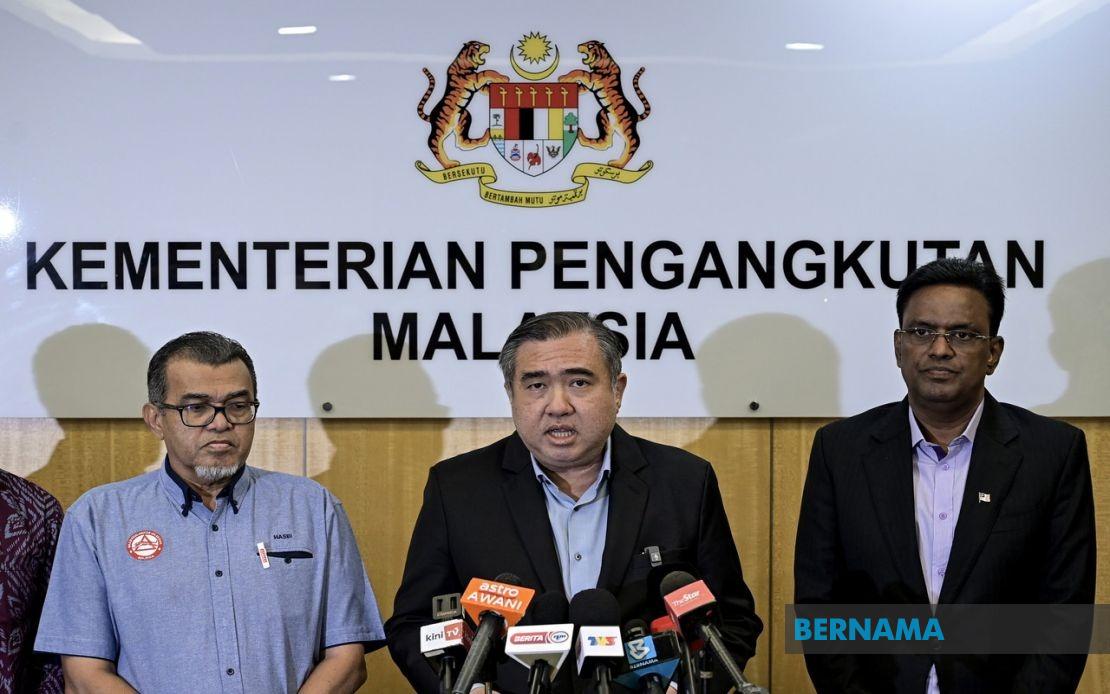
Malaysia's Cabinet has taken a significant step toward strengthening accountability in the nation's road safety framework by endorsing in-principle amendments to the Road Transport Act 1987 that would empower courts to mandate compensation payments to accident victims or their families. Transport Minister Anthony Loke announced the decision on Wednesday, signalling a shift toward a more victim-centred approach to handling road offences that have claimed thousands of lives and caused immeasurable suffering across Malaysian society.
The proposed legislative changes represent a carefully calibrated response to persistent road safety challenges that have seen Malaysia consistently rank among countries with higher rates of traffic fatalities. Rather than introducing compensation through administrative decree, the government has opted for a judicial approach that preserves judicial discretion and ensures fairness by requiring courts to assess each case individually. This design reflects recognition that road accidents vary dramatically in their circumstances and consequences, from minor collisions to fatal crashes, and that penalties must reflect this spectrum of harm.
Under the proposed framework, courts would retain authority to determine appropriate compensation levels based on multiple factors including the severity of the offence, the nature and extent of injuries sustained, documented financial losses incurred by victims or their families, and the offender's capacity to satisfy any judgment. This nuanced approach acknowledges that while holding offenders financially accountable is important, the system must also remain realistic about enforcement and must avoid creating impossible debt burdens that would undermine rehabilitation. The framework would apply to a broad range of traffic violations, encompassing dangerous driving behaviours such as operating vehicles under the influence of alcohol or drugs and reckless driving that endangers other road users.
The amendments are designed to work in concert with the existing Road Offence Demerit Points System, known locally as KEJARA, which tracks and penalises cumulative driving violations. By coupling compensation orders with existing penalties including imprisonment, monetary fines, and driving disqualifications, the government aims to create a more comprehensive deterrent effect that addresses not only the state's interest in punishment but also the victim's interest in restoration. This layered approach recognises that criminal penalties alone have proven insufficient to modify driver behaviour or to provide meaningful redress to those harmed by traffic violations.
A critical feature of the proposed amendments is their explicit preservation of victims' existing legal remedies. The compensation orders would not restrict accident victims or their surviving family members from pursuing insurance claims or launching separate civil lawsuits through conventional legal channels. This safeguard ensures that the amendments operate as a supplementary accountability mechanism rather than a complete replacement for established compensation pathways. For many traffic accident victims, particularly those injured by uninsured drivers or those with limited assets, this multi-layered approach to seeking redress could prove essential.
The ministry has outlined an extensive consultation and refinement process before the draft amendments are formally submitted to Parliament. Transport Ministry officials will engage in detailed discussions with other government agencies, regulatory bodies, and key stakeholder groups including the insurance industry, whose operations would be affected by any new compensation mechanisms. These engagement sessions will address several unresolved technical questions that will shape how the legislation functions in practice, including determining which specific offences warrant compensation orders, establishing clear criteria for categorising serious injuries, and developing protocols for situations where offenders lack the financial means to satisfy compensation judgments.
Loke has emphasised that compensation through court order represents an additional layer of accountability rather than a replacement for existing punishments. This clarification is legally important and politically significant, as it underscores that the government intends to preserve the full range of criminal sanctions while adding a compensatory dimension. The distinction matters particularly for serious offences where custodial sentences and substantial fines remain appropriate, and where compensation orders would sit alongside rather than substitute for these traditional penalties.
The legislative amendments will operate only prospectively, applying exclusively to road offences committed after the law receives parliamentary approval. This temporal limitation reflects fundamental principles of Malaysian law that prevent retroactive criminal legislation and protects offenders from facing new penalties for conduct that was lawful at the time it occurred. Consequently, only future traffic violations will expose offenders to court-ordered compensation obligations, while those responsible for historical accidents remain subject only to penalties in effect when their offences were committed.
The government currently targets the year-end parliamentary session for tabling the amended bill, contingent upon completing the drafting process and stakeholder consultation phases. However, Loke has indicated his intention to propose establishing a dedicated parliamentary special select committee to scrutinise the legislation in detail before its broader parliamentary consideration. This committee approach aims to generate cross-party support and build consensus around the amendments, recognising that road safety represents a non-partisan issue of public concern that benefits from collaboration across political divisions.
For Malaysia's road safety agenda, these amendments address a significant gap in the current legal framework. Victims of traffic accidents have long faced challenges in obtaining meaningful financial compensation from the individuals responsible for their injuries or losses, particularly when offenders lack substantial assets or insurance coverage. By introducing a judicial mechanism for court-ordered compensation, policymakers hope to improve victims' prospects for redress while simultaneously enhancing deterrence by making the financial consequences of dangerous driving more direct and immediate. The approach resonates with victim advocacy groups and civil society organisations that have consistently called for greater accountability mechanisms within Malaysia's road traffic laws.

