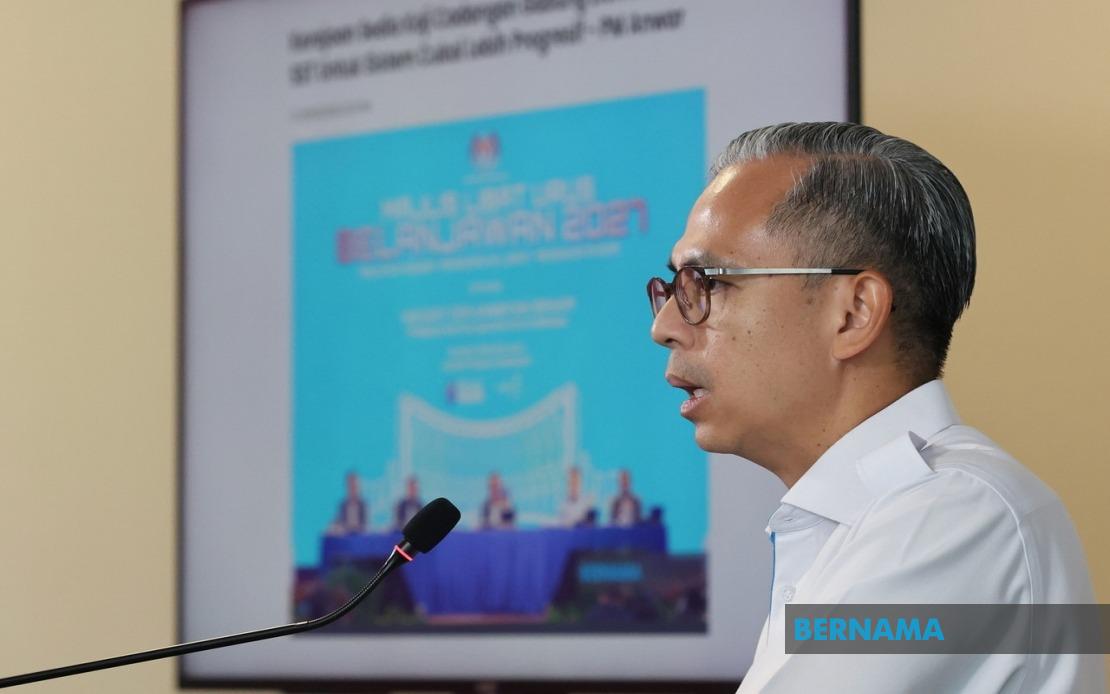
The Malaysian Cabinet has given formal approval to an integrated security reinforcement programme targeting the country's entry points, with implementation commencing today, according to Communications Minister Datuk Seri Fahmi Fadzil. The multi-faceted initiative represents a coordinated response from both the Home Ministry and Transport Ministry, addressing vulnerabilities that have increasingly come into public focus over recent months.
Fahmi announced the development at a post-Cabinet media session in Putrajaya, indicating that the scheme encompasses numerous security enhancement measures developed collaboratively by the two ministries. While specific operational details remain under wraps—deliberately so, given the sensitive nature of border security protocols—the minister emphasised that the plan has received full Cabinet endorsement and will begin operational rollout with immediate effect.
The strategic framework comes in direct response to a series of high-profile incidents that have cast unfavourable attention on Malaysia's security infrastructure. Most recently, a Malaysian pilot faced arrest at Jakarta's Soekarno-Hatta International Airport after authorities discovered approximately 25 kilograms of MDMA in his possession. This incident, alongside several other cases involving Malaysian nationals, has prompted serious internal government reassessment regarding the efficacy of existing screening and monitoring systems.
Home Minister Datuk Seri Saifuddin Nasution Ismail had previously articulated a core concern underpinning the new approach: the fragmented nature of current security management. Individual agencies operating according to isolated protocols and priorities had created operational inefficiencies and information gaps. The comprehensive plan accordingly prioritises coordinated interagency action, breaking down these compartmentalised structures to enable seamless intelligence sharing and unified response mechanisms across all entry points.
The urgency of the Cabinet's decision reflects genuine anxiety within government corridors about Malaysia's international standing. Each incident involving Malaysian nationals engaged in serious criminal activity—particularly drug smuggling—risks damaging the country's reputation and undermining investor and tourist confidence. More fundamentally, these cases create an impression globally that Malaysia's border security architecture contains exploitable weaknesses, a perception that government officials recognised as strategically damaging.
Originally, the Cabinet had directed both the Home Ministry and Transport Ministry to develop and present a comprehensive enhancement programme specifically targeting Kuala Lumpur International Airport within a two-week timeframe. The fact that the plan now encompasses broader border security measures across all entry points suggests the government has chosen to implement a system-wide overhaul rather than limiting improvements to a single major airport.
For Malaysian business and travel communities, the new measures carry practical implications. Enhanced screening procedures and tightened coordination between agencies may result in slightly extended processing times at borders, though government officials typically implement such changes during off-peak periods to minimise disruption. The primary beneficiary should be traveller security and national integrity, as more rigorous vetting reduces the likelihood of contraband transit and associated security threats.
Regionally, Malaysia's initiative reflects broader Southeast Asian concerns about drug trafficking and organised crime exploitation of transportation hubs. Indonesia, Thailand, and Singapore have each grappled with similar challenges, and coordinated regional responses increasingly feature in discussions among ASEAN interior and transport ministers. Malaysia's renewed commitment to border tightening aligns with these regional security dynamics and may facilitate enhanced cooperation with neighbouring nations on cross-border criminal activity.
The decision also signals heightened attention to aviation security specifically. Airlines operating from Malaysian airports, particularly national carrier Malaysia Airlines, benefit from bolstered security credentials when screening their own passengers and staff more rigorously. International aviation bodies monitor security protocols carefully, and enhanced Malaysian procedures contribute to the nation's standing within global aviation security frameworks.
While Fahmi declined to elaborate on specific measures—appropriately deflecting detailed queries to the Home Ministry—observers anticipate likely components including expanded biometric screening capabilities, enhanced background checking procedures, increased use of intelligence databases, and possibly expanded canine detection units at major hubs. Technology deployment in screening areas probably features prominently, given rapid advances in non-intrusive inspection equipment.
The Cabinet approval represents political consensus across coalition partners that border security demands immediate investment and attention. This broad agreement suggests the plan will receive necessary budgetary support and ministerial cooperation for sustained implementation beyond the initial announcement period. Sustainability remains crucial; security enhancement initiatives often falter when initial political attention wanes and resource allocation returns to normal levels.
Implementation success will ultimately depend on operational execution at airport and border facilities nationwide. Training adequate numbers of personnel in new procedures, integrating technological systems effectively, and ensuring consistent protocol adherence across multiple entry points present substantial logistical challenges. However, the Cabinet's formal approval and immediate activation signal that government leadership regards these challenges as manageable and the security imperative as sufficiently compelling to justify resource reallocation and procedural disruption.

