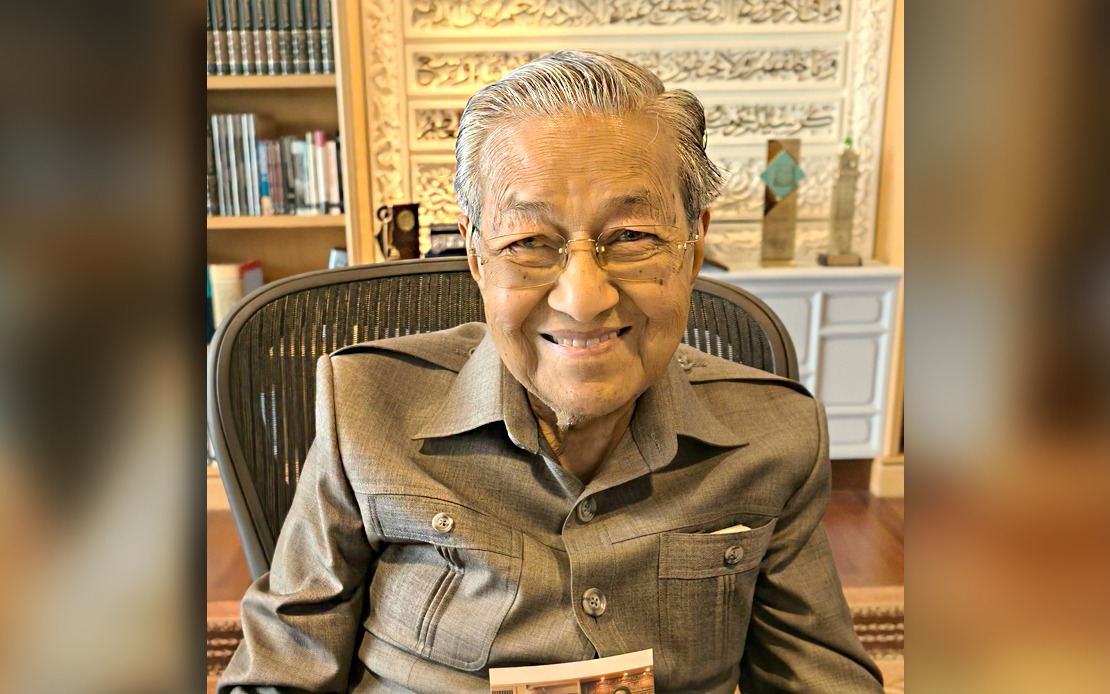
Malaysia's Cabinet ministers have joined in marking an extraordinary milestone as former Prime Minister Tun Dr Mahathir Mohamad turns 101 years old today. The public tributes, shared primarily through social media, reflect the continued regard held for the country's longest-serving leader by members of the current government. The outpouring of birthday wishes underscores the significant place Dr Mahathir occupies in Malaysia's political landscape, even as he has stepped away from active governmental responsibilities.
Communications Minister Datuk Fahmi Fadzil led the parliamentary tributes, posting heartfelt wishes that emphasised health and spiritual blessings for the centenarian statesman. In his message, Fadzil highlighted the exceptional nature of reaching such an advanced age, framing it as an achievement worthy of national acknowledgment. The minister's invocation of both happiness and divine mercy reflected the deeply personal respect many within government circles maintain for the elder statesman, regardless of contemporary political divisions.
Two other senior figures within the Cabinet also extended formal birthday greetings to Dr Mahathir. Minister in the Prime Minister's Department (Law and Institutional Reform) Datuk Seri Azalina Othman Said and Higher Education Minister Datuk Seri Dr Zambry Abd Kadir each released statements wishing their former leader continued good health and prosperity. Their inclusion among those publicly acknowledging the occasion demonstrates that birthday wishes for Dr Mahathir transcend typical political party lines and factional divisions that often characterise Malaysian governance.
The significance of Dr Mahathir's longevity becomes apparent when examining his extraordinary political career. Born in Alor Setar, Kedah on 10 July 1925, he has witnessed and shaped nearly a century of Malaysia's development as a nation. His tenure as Prime Minister spans two distinct periods: the first lasting 22 years from 1981 until his retirement in 2003, and a subsequent return to office between 2018 and 2020. During his first period in office, he guided Malaysia through rapid economic transformation, industrialisation, and the implementation of the ambitious Vision 2020 development framework.
Dr Mahathir's second appointment to the premiership at age 92 represented a global rarity that captured international attention. His return to office made him the world's oldest prime minister at the time of appointment, a distinction that challenged conventional assumptions about political leadership and advanced age. The decision to reinvest such significant executive authority in a nonagenarian reflected both public confidence in his abilities and the Malaysian electorate's desire for experienced stewardship during a period of political uncertainty following the 2018 general election.
The reaching of 101 years represents not merely a personal achievement but also carries broader implications for Malaysian society and its relationship with elder statesmen. In many Southeast Asian cultures, advanced age commands respect and is viewed as a blessing, particularly when accompanied by continued mental acuity and public engagement. Dr Mahathir has maintained a visible public presence through interviews, social media commentary, and occasional political pronouncements, remaining an influential voice in national discourse well into his second century.
The Cabinet's acknowledgment of this milestone reflects institutional respect for continuity and experience in Malaysian governance. While Dr Mahathir no longer holds formal office, his historical legacy continues to shape contemporary political debates, particularly regarding development policy, institutional reforms, and Malaysia's regional role. The younger generation of political leaders, many of whom served under or studied his administration, frequently reference his tenure when discussing long-term national strategy.
Birthday tributes for prominent elder figures serve important social functions within Malaysia's political culture. They provide opportunities for current office-holders to express gratitude to predecessors, reinforce institutional continuity, and demonstrate respect for accumulated wisdom and experience. In Dr Mahathir's case, such acknowledgments also carry weight given the complex and sometimes contentious nature of his political legacy, which encompasses both celebrated economic achievements and documented criticisms regarding governance and institutional independence.
The reaching of 101 years also invites reflection on succession planning and the transmission of political knowledge within Malaysia's leadership structures. While Dr Mahathir formally stepped aside in 2020, his considerable influence extends through mentees and former subordinates who continue serving in government. Understanding his policy priorities and leadership philosophy remains relevant for contemporary policymakers grappling with issues from economic competitiveness to regional diplomacy that were shaped significantly during his long tenure.
Looking forward, Dr Mahathir's continued longevity and public engagement present both opportunities and questions for Malaysia's political future. His periodic interventions in national debates have sometimes complemented and sometimes complicated government policy positions, reflecting the independence of mind that characterised his leadership. As Malaysia navigates complex challenges ranging from economic restructuring to regional competition, the perspectives of experienced political figures like Dr Mahathir retain value, even as new generations develop fresh approaches to governance.

