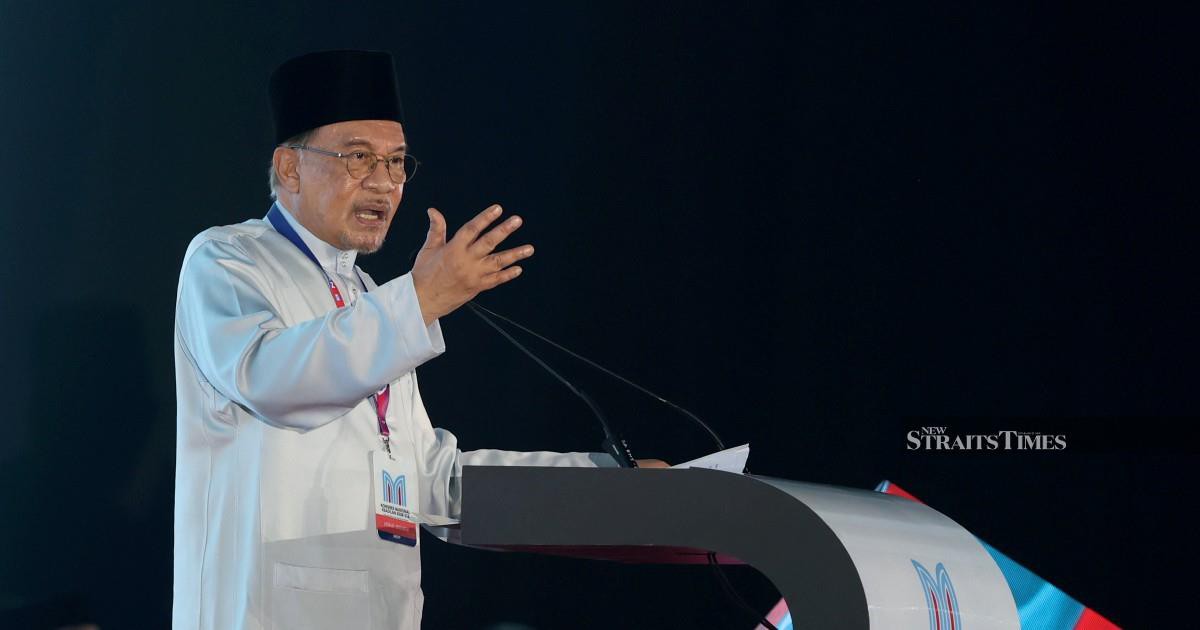
Prime Minister Datuk Seri Anwar Ibrahim has signalled that the Cabinet will move this Wednesday to consider the government's formal proposal to repeal the Universities and University Colleges Act 1971, marking a critical juncture for higher education reform in Malaysia. Speaking at Ayer Keroh, the Prime Minister indicated that the long-awaited initiative is now positioned for top-level governmental deliberation, bringing the controversial legislation closer to potential abolition after decades of debate.
The Universities and University Colleges Act 1971, commonly referred to as AUKU, has been one of Malaysia's most contentious higher education statutes since its enactment over five decades ago. The legislation grants universities broad regulatory authority over student conduct and imposes restrictions on various aspects of campus life, including political expression, assembly rights, and media engagement. These constraints have been heavily criticised by student activists, civil liberties organisations, and international observers who view the Act as unduly restrictive and incompatible with contemporary democratic norms.
The decision to table abolition reflects mounting domestic pressure on the government to liberalise Malaysia's university regulatory framework. Student movements and campus reform advocates have increasingly vocally campaigned against AUKU, arguing that its provisions stifle intellectual discourse and civic participation. The government's willingness to address these concerns through legislative change represents a significant policy shift, particularly under Anwar Ibrahim's administration, which has positioned itself as championing greater democratic freedoms and civil liberties.
Malaysia's higher education sector has long operated under restrictions that distinguish it from peer nations in the region and globally. AUKU's provisions effectively prohibit student involvement in political parties and limit their capacity to organise demonstrations or engage in public advocacy without university approval. These constraints were initially conceived as measures to maintain campus stability, but critics contend they have instead suppressed legitimate forms of student expression and prevented meaningful democratic participation among younger citizens.
The Cabinet's impending consideration of abolition follows years of advocacy from civil society, student bodies, and international human rights mechanisms that have flagged AUKU as incompatible with international standards on freedom of association and expression. Southeast Asian peers have largely reformed or abandoned comparable legislation, creating regional pressure on Malaysia to modernise its approach. The prospect of repeal also aligns with broader government initiatives to strengthen democratic institutions and address perceptions of authoritarian governance.
If the Cabinet approves the proposal Wednesday, the legislative repeal process would still require parliamentary approval before AUKU becomes formally defunct. Parliamentary passage would likely face procedural steps including committee review and debate, though the government's majority position suggests the proposal would likely advance if Cabinet support is secured. The timeline to full repeal thus remains uncertain, though Cabinet approval represents the most significant hurdle.
The potential abolition of AUKU carries substantial implications for Malaysia's university governance structures. Institutions would need to develop alternative frameworks for regulating student conduct and maintaining campus order, likely drawing on provisions within institutional charters, student codes of conduct, and ordinary civil law. This transition would require universities to balance enhanced student freedoms with operational needs, challenging administrations to craft governance approaches reflective of democratic principles while preserving institutional functionality.
For Malaysian students, AUKU repeal would mark a transformative shift in campus life and political participation rights. Undergraduates would gain the statutory freedom to join political parties, organise assemblies, and engage in public commentary without contravening dedicated university legislation. The practical implications remain to be determined by subsequent regulatory frameworks, but the symbolic and legal significance of repeal would be substantial, acknowledging that students deserve expanded participation in democratic processes.
Regional observers will closely monitor Malaysia's progress on this initiative, particularly given the country's prominence in Southeast Asian higher education discourse. Several other nations in the region maintain comparable restrictions on student political activity, making Malaysia's potential reform relevant to broader conversations about university autonomy and student freedoms across the bloc. The outcome may influence policy discussions elsewhere and signal Malaysia's commitment to democratic evolution.
Anwar Ibrahim's administration has positioned AUKU abolition as part of broader governance reforms intended to strengthen democratic institutions and public freedoms. This Cabinet consideration represents a tangible test of the government's commitment to translating campaign rhetoric into legislative action. Success in advancing repeal would provide substantial political momentum, while delays or retreat could undermine credibility among constituencies that prioritise civil liberties expansion.
The path forward now centres on Wednesday's Cabinet deliberation. The Prime Minister's public announcement of the tabling suggests government confidence in moving the proposal forward, though Cabinet-level dynamics remain unpredictable. Should the Cabinet approve abolition, the government would then face the task of drafting replacement regulatory frameworks and managing the parliamentary passage of repeal legislation, processes that will themselves involve stakeholder consultation and public discourse about university governance principles appropriate for contemporary Malaysia.

