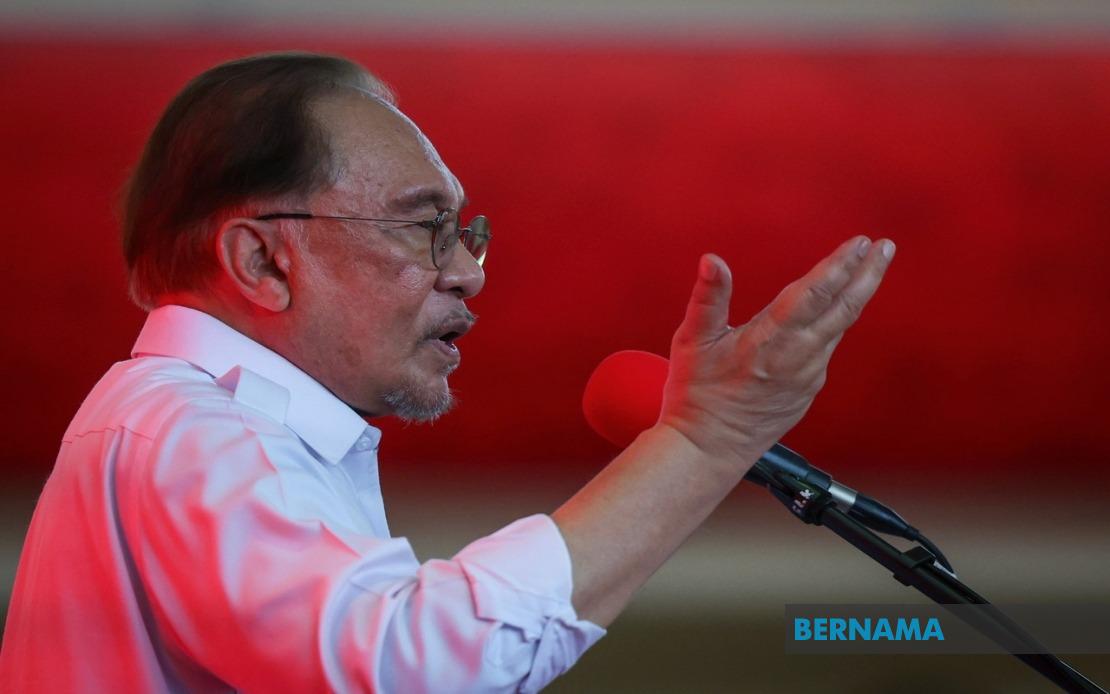
The Cabinet will determine on Wednesday whether to make the Royal Commission of Inquiry report on Lembaga Tabung Haji public, Prime Minister Datuk Seri Anwar Ibrahim said while campaigning in Tampin on July 27. The announcement comes as pressure mounts for transparency regarding the commission's findings into allegations surrounding the sale of TH's strategic assets, an issue that has generated considerable public debate and scrutiny.
Anwar indicated that the matter will feature prominently during the weekly Cabinet session, where ministers will weigh the arguments for and against publishing the report. The Prime Minister's comments suggest the government is moving towards releasing the findings, though final approval requires collective Cabinet endorsement. This procedural approach underscores the administration's commitment to following established governance protocols rather than allowing individual ministerial decisions on matters of significant public interest.
The Prime Minister articulated a clear philosophy regarding accountability and the separation of powers within Malaysia's institutional framework. He emphasised that if the inquiry uncovers evidence of wrongdoing, the appropriate authorities—namely the Attorney General's office—should pursue prosecutions through the courts. Conversely, if the investigation clears individuals involved, they should be vindicated. Anwar stressed this distinction between the executive branch's role and the independent functions of prosecutorial and judicial bodies, rejecting any suggestion that his office should intervene in these matters.
Anwar's remarks reflected frustration with ongoing controversy surrounding Tabung Haji, particularly regarding how the pilgrimage fund had managed its assets. The inquiry was established to investigate allegations that TH disposed of valuable properties and investments without adequate safeguards for the interests of the millions of Malaysian Muslims whose savings are held by the institution. These concerns extended to governance practices and financial management decisions made under previous administrations.
The timing of the Cabinet decision carries significance for Malaysia's broader governance narrative. The government has consistently advocated for transparency and accountability as cornerstones of its political reform agenda. Releasing the RCI report would demonstrate commitment to these principles, while simultaneously resolving uncertainty that has persisted since the inquiry concluded its work. However, the report may contain findings that implicate individuals across multiple political administrations, potentially complicating the decision from a political standpoint.
Tabung Haji holds particular importance within Malaysian society as a quasi-religious institution managing sacred trust. For nearly two million contributors, the fund represents not merely a financial investment but a pathway to fulfilling one of Islam's five pillars. Public confidence in TH's stewardship directly affects Malaysian Muslims' willingness to entrust their savings to the institution. Concerns about asset management and governance transparency therefore resonate beyond typical corporate accountability discussions, touching on matters of faith and cultural significance.
Last week, Anwar had signalled readiness to release the report following consultation with the Chief Secretary to the Government regarding proper Cabinet procedures. This incremental communication suggested the government was preparing stakeholders for a likely disclosure while ensuring all constitutional protocols were observed. The Cabinet meeting on Wednesday would represent the final regulatory hurdle before public release.
The RCI report's contents remain undisclosed, creating considerable speculation about what revelations it contains. Industry observers and governance advocates have expressed interest in understanding the commission's assessment of TH's financial management, particularly decisions to divest from profitable holdings and engage in ventures that subsequently underperformed. Clear findings could either vindicate management decisions or establish grounds for further investigation by relevant authorities.
For Southeast Asian observers, Malaysia's approach to handling this corporate accountability matter illustrates how democracies in the region navigate tension between transparency imperatives and institutional sensitivities. The involvement of multiple government agencies and the careful delineation between executive, prosecutorial, and judicial roles demonstrates an institutional maturity, though questions persist about whether such procedural caution sometimes delays accountability. The Tabung Haji situation tests whether Malaysia's commitment to transparent governance extends to matters involving state-linked entities where institutional pride and political considerations intersect.
Anwar's framing of the issue emphasised the integrity of institutional processes rather than personalised political outcomes. Whether individuals face consequences should depend on evidence and judicial determination, not ministerial preference. This approach, while institutionally sound, requires confidence that investigating authorities and prosecutors will pursue cases impartially and thoroughly, a concern that governance watchdogs continually monitor across Malaysia's law enforcement ecosystem.
The Cabinet's decision on Wednesday will signal the government's authentic commitment to transparency regarding state-linked institutions. Release of the RCI report would provide Malaysian citizens and international observers with concrete evidence of the administration's willingness to subject even sensitive institutions to public scrutiny. Conversely, continued withholding would fuel suspicion that political considerations outweigh accountability principles, undermining broader governmental credibility on transparency initiatives that remain central to Malaysia's reform narrative.

