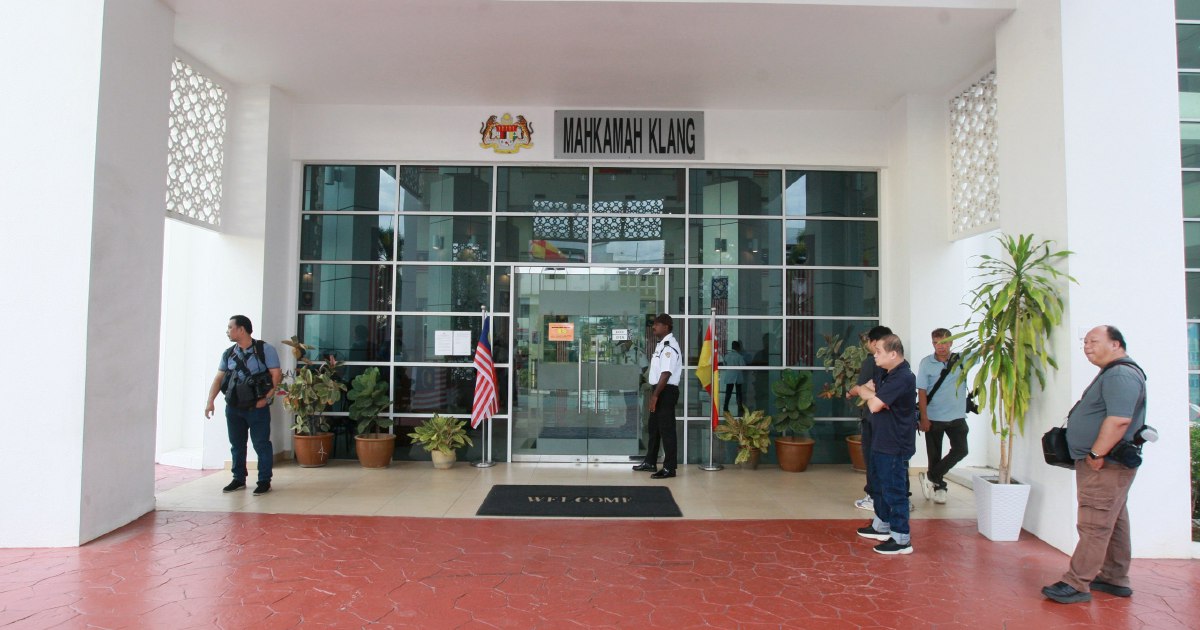
The Sessions Court in Klang presented an unusually serene setting this morning as legal proceedings commenced against a 24-year-old suspect accused in the death of Rocky, a dog whose case has ignited significant public concern. Despite the sensitive nature of the allegations and the emotional weight of animal cruelty cases in Malaysia's increasingly engaged social sphere, the courthouse exterior displayed minimal crowds and a subdued atmosphere, contrasting sharply with the intensity of online discussions that have surrounded the incident.
The anticipated charges against the young man represent a watershed moment for animal welfare advocacy in the country. Cases involving animal cruelty have gained considerable traction in Malaysian public consciousness over recent years, reflecting evolving attitudes toward companion animal protection and the responsibilities of pet owners. The Rocky case, in particular, appears to have resonated deeply with Malaysian society, demonstrating how individual incidents can catalyze broader conversations about establishing stronger safeguards for vulnerable creatures in our communities.
The relative tranquility observed outside the courtroom may reflect several factors. Procedural hearings in the early stages of criminal cases typically attract limited spectator attendance, particularly when the matter has not yet generated substantial mainstream media coverage. Additionally, the timing of the court session during regular business hours likely influenced foot traffic, with many interested individuals unable to attend due to work and personal commitments. However, the case's prominence in digital spaces suggests that public interest remains high despite the quiet courthouse setting.
This particular incident underscores the complexity of establishing and enforcing animal welfare standards across Malaysia. The country has made incremental progress through the Animal Welfare Act and related legislation, yet advocates consistently argue that enforcement remains inconsistent and penalties insufficient to deter future abuse. The case of Rocky—whose death reportedly resulted from alleged mistreatment—provides a concrete example of the gaps between existing legal frameworks and their practical application in protecting animals from harm.
The 24-year-old's appearance before the Klang court also highlights the generational dimension of changing attitudes toward animal rights. Younger Malaysians, increasingly vocal through social media platforms, have demonstrated strong emotional investments in animal welfare issues. This demographic shift has placed pressure on legal and regulatory institutions to take such cases seriously and pursue charges that might have been overlooked or handled more leniently in previous decades.
From a legal standpoint, charges brought in animal cruelty cases often prove challenging to prosecute successfully. Evidence collection, establishing causation between alleged actions and the animal's death, and determining appropriate sentencing all present hurdles for prosecutors. The fact that authorities have proceeded to formal charges in Rocky's case suggests they believe they have gathered sufficient evidence to meet the legal threshold for prosecution, though the actual hearing outcomes remain uncertain.
The quietness of the courtroom proceedings stands in stark contrast to the vocal advocacy campaigns that have characterised public response to this case. Social media platforms have served as amplifiers for animal welfare concerns, with sympathetic accounts of Rocky's circumstances circulating widely among Malaysian internet users. This gap between online activism and physical courtroom presence reflects modern patterns of civic engagement, where digital participation often exceeds traditional forms of public demonstration.
Beyond the immediate facts of Rocky's death, the case intersects with broader questions about Malaysia's commitment to animal protection standards. Regional peers in Southeast Asia have implemented varying degrees of animal welfare legislation, and Malaysia's standing on this issue has implications for its international reputation and domestic social cohesion. Animal cruelty cases that reach prosecution stage send signals about state priorities and the boundaries of acceptable behaviour toward companion animals.
The charges proceeding through Klang court will likely establish precedent or reinforce existing legal interpretations regarding animal cruelty under Malaysian law. Each case contributes to an evolving body of jurisprudence that shapes how courts understand and penalise such offences. Legal observers and animal welfare organisations will presumably monitor the proceedings closely, dissecting judicial reasoning and sentencing outcomes for guidance on future cases.
Looking forward, the resolution of Rocky's case may influence public and policy discussions around strengthening animal welfare protections. If the charges result in significant penalties, such outcomes could embolden advocates to pursue stricter legislative amendments. Conversely, if prosecutorial or judicial outcomes prove disappointing to animal welfare proponents, the case might catalyse renewed calls for comprehensive legislative reform. Either way, Rocky's case has already served to raise community consciousness about the legal and moral dimensions of animal treatment in Malaysia.
For Malaysian pet owners and animal lovers, today's court session represented a moment of institutional accountability, however modest the public gathering. The quiet courthouse exterior belied the substantial significance of the legal proceedings underway, as a young man faced formal allegations in a case that has galvanised national conversation about our collective responsibilities toward the animals in our care.

