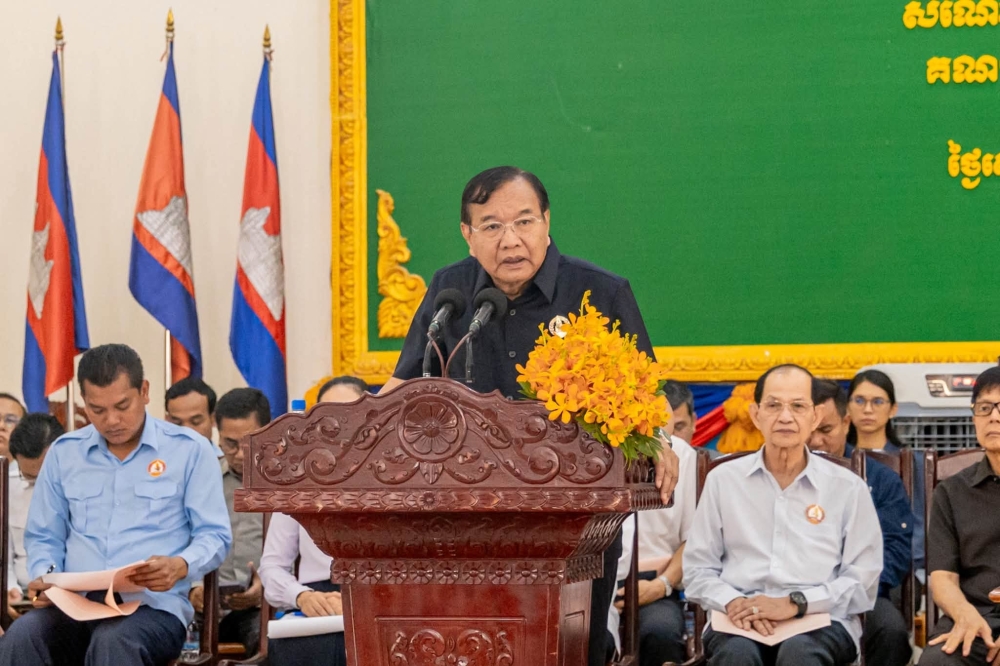
Cambodia's Deputy Prime Minister and Minister of Foreign Affairs and International Cooperation Prak Sokhonn touched down in Malaysia on August 3 for a two-day official visit, marking another chapter in the evolving relationship between the two neighbouring Southeast Asian nations. The arrival of such a senior Cambodian official reflects the significance Phnom Penh places on strengthening ties with Kuala Lumpur, particularly at a time when regional dynamics continue to shift and multilateral cooperation frameworks are being tested.
The timing of Prak Sokhonn's visit carries notable implications for ASEAN unity and regional diplomacy. As Cambodia prepares for or manages its various international commitments, direct engagement with Malaysia—a fellow Association of Southeast Asian Nations member and a nation with considerable economic and diplomatic influence—signals Phnom Penh's commitment to maintaining cohesion within the bloc. Such high-level visits serve as platforms for discussing shared challenges ranging from maritime security to trade facilitation, matters that affect the broader Southeast Asian economy and geopolitical landscape.
Malaysia has long positioned itself as a bridge-builder within ASEAN, leveraging its strategic location and diplomatic experience. The reception of Prak Sokhonn provides an opportunity to reinforce bilateral mechanisms and explore avenues for enhanced cooperation across multiple sectors. Given Malaysia's roles in regional forums and its economic ties with Cambodia, these discussions are likely to encompass trade investment, infrastructure development, and cultural exchanges that benefit both populations.
Prak Sokhonn's dual portfolio as Foreign Minister amplifies the significance of his visit. His presence allows for substantive dialogue on foreign policy alignment, international law interpretations, and strategic positioning within the broader Indo-Pacific framework. Cambodia's foreign policy orientation has been subject to international scrutiny in recent years, making direct engagement with stable regional partners like Malaysia crucial for maintaining dialogue channels and demonstrating Cambodia's commitment to international norms and regional stability.
From Malaysia's perspective, hosting the Cambodian Deputy Prime Minister reinforces Kuala Lumpur's role as a diplomatic hub in Southeast Asia. These bilateral engagements complement Malaysia's multilateral efforts within ASEAN and help sustain the network of relationships that underpin regional prosperity and security. The visit also provides an avenue to discuss matters of mutual concern, whether related to economic development, environmental sustainability, or transnational challenges that transcend borders.
The economic dimension of Cambodia-Malaysia relations deserves attention. As trade flows between the nations have evolved, direct engagement at the ministerial level helps identify bottlenecks, explore new opportunities, and ensure that commercial relationships thrive. Malaysian investors have interests in Cambodia, and Cambodian workers and students maintain significant presence in Malaysia, creating people-to-people ties that benefit from regular high-level government coordination.
Cultural and educational exchanges form another pillar of bilateral relations that such visits invariably touch upon. Both nations share Buddhist heritage and historical ties that provide a foundation for deeper understanding and cooperation. Supporting these connections through formal government channels ensures that the diplomatic relationship extends beyond official talks and into society at large.
The visit also occurs within the broader context of Southeast Asia's management of its great power relationships. As Cambodia navigates complex international alignments, maintaining robust ties with neighbouring nations and ASEAN partners helps ensure that the region maintains agency in shaping its own future. Malaysia's commitment to promoting intra-ASEAN solidarity and dispute resolution mechanisms aligns with Cambodia's interests in a stable regional environment conducive to development.
From a strategic standpoint, Prak Sokhonn's presence in Malaysia demonstrates Cambodia's engagement with regional institutions and its commitment to multilateral frameworks. This is particularly relevant given the challenges ASEAN faces in maintaining unity on contentious issues. Direct bilateral communication helps prevent misunderstandings and builds the interpersonal relationships that often prove crucial when the bloc faces difficult consensus-building moments.
The two-day format of the visit allows for comprehensive discussions beyond formal ceremonies. Typically, such visits include working meetings with relevant Malaysian ministries, visits to economic zones or development projects, and possibly parliamentary interactions. These engagements provide substance to diplomatic relations and create practical outcomes that benefit ordinary citizens through improved bilateral cooperation.
For Malaysia, receiving Cambodia's foreign policy chief reinforces the nation's standing as a respected regional voice. It also provides insights into Cambodian priorities and perspectives, intelligence valuable for Malaysia's own strategic planning and regional engagement. The reciprocal nature of such visits—where senior officials from both countries regularly visit each other—strengthens the institutional relationships that underpin ASEAN cooperation.
Looking forward, the outcomes and discussions from this visit may influence broader ASEAN deliberations and bilateral initiatives. Whether addressing maritime concerns, trade facilitation, or cultural preservation, the conversations held during these two days have potential ripple effects across Southeast Asia. Regular engagement at this level ensures that bilateral relations remain robust and that both nations continue to find common ground on matters affecting regional stability and prosperity, benefiting not just Cambodia and Malaysia but the entire Southeast Asian community.

