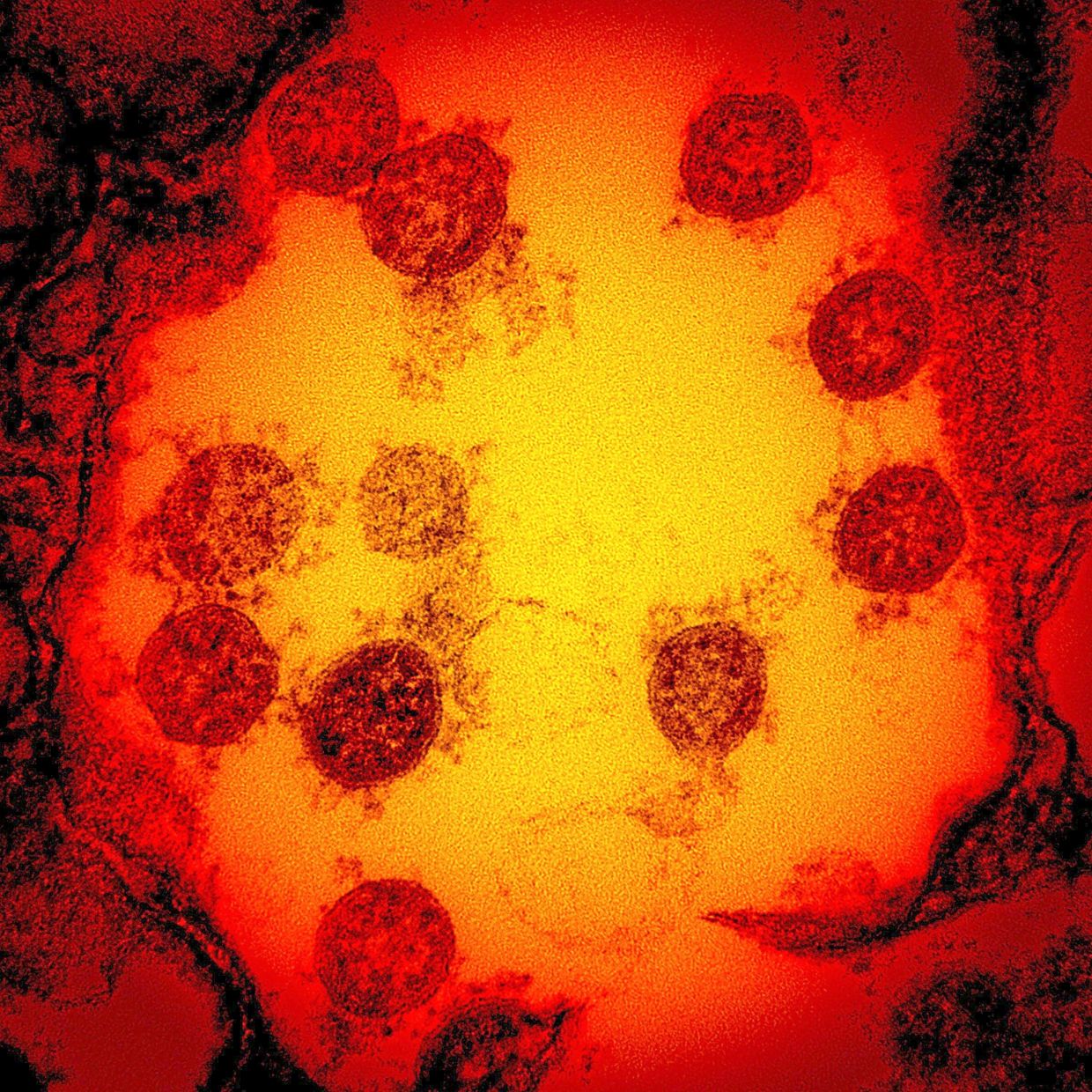
Scientists at Cambridge University have unveiled a breakthrough in vaccine development that harnesses artificial intelligence to create immunisations effective against entire families of viruses, rather than single strains. The technology, developed in collaboration with British biotechnology firm DIOSynVax, represents a fundamental shift in how the scientific community approaches viral threats and could transform pandemic preparedness globally. The innovation carries particular significance for Southeast Asia, a region historically vulnerable to emerging infectious diseases due to its dense populations, wildlife diversity, and international travel corridors.
Dr Jonathan Heeney, lead researcher and Professor of Comparative Pathology at Cambridge, describes the breakthrough using an apt analogy: a "master key" that opens every door in an apartment block rather than individual keys for each room. This conceptual shift addresses a persistent challenge that has hampered vaccine effectiveness since their inception. Traditional vaccines target the specific viral strain in circulation at the time of their development, but viruses mutate rapidly. By the time vaccination campaigns reach scale, new variants may already be spreading, rendering the immunisation less effective or obsolete entirely. This reactive approach means public health authorities are perpetually chasing moving targets, always one step behind the pathogen's evolution.
The fundamental insight underpinning this innovation centres on identifying the immutable characteristics shared across an entire viral family. Rather than focusing on the features that distinguish one strain from another, the Cambridge team used artificial intelligence to examine genetic data across multiple variants and determine which viral components the human immune system consistently recognises. By concentrating vaccine development on these universal elements rather than strain-specific mutations, researchers can theoretically create a single immunisation capable of protecting against all variants within a viral family, whether currently known or yet to emerge.
Heeney's motivation emerged from a tragic historical lesson. Following the 2013-2016 Ebola outbreak in West Africa, which claimed approximately 11,300 lives according to the World Health Organization, the researcher recognised a critical vulnerability in global pandemic response. The virus, previously confined to Central Africa's Democratic Republic of Congo, appeared in West Africa for the first time, initially misidentified as Lassa fever, gastroenteritis, or cholera. This diagnostic confusion consumed three to four months, during which the outbreak spread from Guinea across Sierra Leone and Liberia with devastating speed. "The horse had bolted, the fire was raging," Heeney reflected, noting that health workers constituted a significant portion of victims. That experience crystallised his determination to fundamentally restructure vaccine development, ensuring that response times could be dramatically compressed in future emergencies.
The technological approach employed represents a synthesis of epidemiological knowledge and contemporary artificial intelligence. Heeney's team aggregated comprehensive information about multiple virus variants, then applied machine learning algorithms to identify patterns in the viral genome regions that consistently trigger immune responses across different strains. This computational analysis enables researchers to distinguish between conserved viral features essential for immunity and variable features that differ between strains. The result is a vaccine formulation targeting the broadest possible immune response, capable of neutralising not only known variants but also future mutations within the same viral family.
The urgency of developing such technology has only intensified since the Ebola outbreak. Global factors are accelerating viral emergence at unprecedented rates. Population expansion continues encroaching on wildlife habitats, creating novel contact points between humans and animal reservoirs harbouring dormant pathogens. Enhanced international mobility through aviation and maritime shipping means emerging viruses can circumnavigate the globe within days rather than weeks. Meanwhile, many viruses persist harmlessly in animal populations that have developed natural resistance, but upon spillover to humans lacking such immunity, these pathogens can propagate explosively. Heeney observed that from the virus's perspective, a naive human population represents an ideal host, prompting uncontrolled replication and transmission.
A preliminary clinical trial involving 39 volunteers, sponsored by University Hospital Southampton, has demonstrated the vaccine's safety profile and immunogenicity. These results, while modest in scale, justify advancing to larger-scale trials where efficacy can be more comprehensively assessed. The Cambridge-DIOSynVax partnership is now preparing expanded human studies, which will examine whether the broad immune protection observed in laboratory settings translates to clinical protection against actual viral infection. Success in these phases would represent a watershed moment in vaccinology.
Historically, pandemics have recurred throughout human civilisation with catastrophic regularity. The Black Death of medieval Europe and the 1918-1920 influenza pandemic, which infected an estimated one-third of the global population and killed between 25-50 million people, stand as stark reminders of our vulnerability to viral threats. Heeney identifies influenza as particularly concerning, describing it as one of the "trickier" viruses due to its high mutation rate and capacity for rapid global dissemination. Yet he expresses cautious optimism that this new technological platform could fundamentally alter humanity's preparedness trajectory.
The next phase of development will leverage even more advanced artificial intelligence systems currently in development. Heeney's team plans to deploy cutting-edge machine learning techniques to process vastly larger datasets, accelerating the identification of viral targets and enabling rapid vaccine adaptation should novel pathogens emerge. This next generation of AI-assisted vaccine design could compress development timelines from the current months-long process to mere weeks, fundamentally transforming pandemic response capability. The computational infrastructure would enable simultaneous analysis of thousands of viral variants and potential immune responses, dramatically amplifying the probability of identifying optimal vaccine targets.
For Southeast Asian nations particularly, this advancement addresses a longstanding vulnerability. The region's tropical climate, wildlife diversity, and human-animal interface dynamics create conditions favouring zoonotic disease emergence. Previous outbreaks of dengue, avian influenza, and coronavirus strains have demonstrated the region's susceptibility to emerging pathogens. A vaccine platform capable of rapidly addressing entire virus families could substantially reduce the region's pandemic risk and accelerate recovery from health emergencies. Moreover, the technology's potential applicability extends beyond human vaccines to animal immunisations, relevant for Southeast Asian agricultural sectors vulnerable to livestock and poultry diseases.
Heeney emphasises that demonstrating the technology's safety, efficacy, and scalability to the global scientific and public health communities represents the critical next hurdle. Regulatory approval across multiple jurisdictions will require extensive additional data, conducted with rigorous scientific standards. However, he frames these upcoming trials as the foundation for "a whole new era of vaccine manufacturing," one fundamentally different from the reactive, strain-specific approaches that have dominated for decades. Should this optimistic vision materialise, the implications for pandemic preparedness and global health security could prove transformative, offering a powerful tool for confronting emerging viral threats with speed and comprehensiveness previously unattainable.

