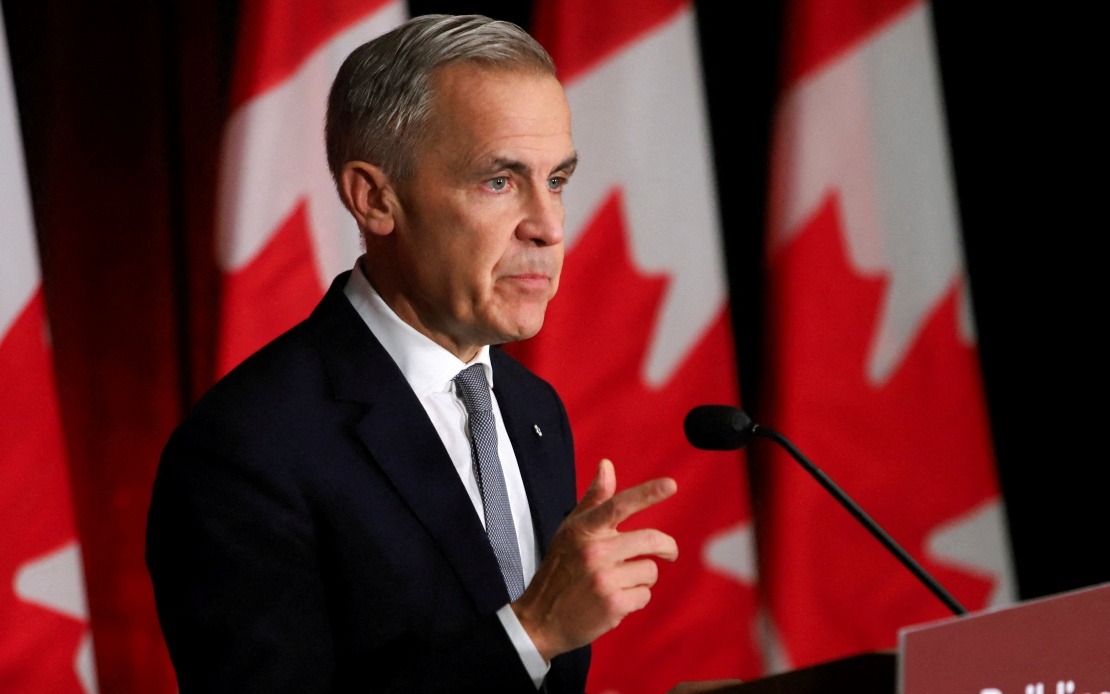
Canadian Prime Minister Mark Carney confirmed on Tuesday that discussions with US President Donald Trump have resulted in a commitment to accelerate bilateral trade negotiations over the coming weeks, signalling both sides are attempting to resolve escalating commercial tensions between the two neighbours. The declaration follows Trump's unilateral move on Monday to impose the new tariff regime, creating fresh uncertainty over the trajectory of North American trade relations and prompting Ottawa to explore its response options.
The additional duties, set to take effect on August 19, target a range of products that form significant components of Canada's export portfolio. Dairy products, alcoholic beverages, motor vehicles, and related goods will face the increased 50 per cent ad valorem charges, according to White House documentation. However, the proclamations exempt several key sectors from the tariff measures, including energy products, potash, fish, and critical minerals—categories that reflect substantial Canadian economic interests and suggest some acknowledgment of mutual dependencies within the continental economy.
Trump's rationale centred on allegations that Canada has engaged in discriminatory practices against American commerce, a characterisation that reflects the broader protectionist philosophy underpinning his administration's trade approach. This latest action represents a continuation of the administration's willingness to employ tariffs as a negotiating tool, a strategy that has already generated considerable friction with multiple trading partners globally. The timing and scope of these tariffs introduce material uncertainty for Canadian businesses operating in affected sectors, particularly the automotive and agricultural industries that rely heavily on cross-border supply chains and market access.
Carney's response articulated Ottawa's position that the new tariffs constitute a violation of the Canada-United States-Mexico Agreement (CUSMA), the trilateral trade framework that governs North American commerce and succeeded the earlier North American Free Trade Agreement. By framing the dispute in these institutional terms, Canada is signalling that it views the tariffs as a breach of established legal obligations rather than merely a commercial disagreement. This legalistic stance sets the foundation for potential appeals through dispute resolution mechanisms embedded within the agreement, though such processes typically unfold over extended periods.
The Canadian government has indicated readiness to evaluate retaliatory options should the tariffs proceed as scheduled. This preparatory stance reflects standard trade negotiation dynamics, where threatened countermeasures serve as leverage in ongoing discussions. However, the asymmetry in economic scale between the two nations—with the United States representing a significantly larger market and possessing greater capacity to absorb disruption—creates structural constraints on Canada's negotiating position. The threat of retaliation, while necessary to demonstrate resolve, carries material costs for a Canadian economy deeply integrated with American supply chains and consumer markets.
For Southeast Asian observers, this Canada-US dispute carries implications for regional trade dynamics and the broader trajectory of rules-based international commerce. The willingness of major developed economies to deploy tariffs and challenge established agreements suggests that regional trading frameworks, including those involving Southeast Asian economies, face comparable pressures and uncertainties. The precedent of one major trading partner unilaterally imposing substantial tariffs despite existing agreements signals that contractual protections may offer limited insulation from protectionist impulses.
The exemption of energy products from the tariff regime merits particular attention, as energy trade forms a cornerstone of Canada-US economic integration. This carve-out may reflect recognition of mutual vulnerability in energy supply chains, particularly given North American dependencies on stable energy flows. Similarly, the exclusion of critical minerals aligns with strategic considerations around supply chain resilience for defence and technology sectors, suggesting that national security arguments can successfully override broad protectionist measures.
The automotive sector faces particular exposure given its heavy reliance on integrated continental production networks. Vehicle manufacturers operating in Canada depend on cross-border component flows and market access, making the 50 per cent tariff a potentially destabilising factor for investment decisions and production planning. This vulnerability may actually incentivise negotiated resolution, as both governments recognise the mutual costs of sustained tariff implementation within this interconnected industry.
The compressed timeline for implementation—less than four weeks from announcement to enforcement—creates urgency for negotiators but also reflects the Trump administration's proven willingness to proceed with announced measures. Previous trade disputes involving the administration have demonstrated that tariff threats sometimes materialise despite negotiating activity, making the current situation more than purely theatrical posturing. Canadian officials must therefore calibrate their negotiating approach to accommodate the possibility of tariffs taking effect while simultaneously pursuing diplomatic solutions.
The dispute also intersects with broader geopolitical considerations, including North American competitiveness relative to other major economic blocs and the management of US-China trade tensions. Some analysts suggest that US protectionist measures directed at Canada partly reflect frustrations over gaps between American and Canadian approaches to managing Chinese economic influence and technology transfer risks. These underlying structural tensions complicate simple trade negotiations and may require addressing multiple dimensions of the bilateral relationship simultaneously.
As negotiations intensify in coming weeks, outcomes will likely reflect a combination of genuine policy compromises and face-saving arrangements that allow both leaders to claim success. The financial markets and businesses dependent on cross-border commerce will closely monitor progress, as uncertainty itself imposes costs through deferred investment decisions and hedging activities. The case demonstrates how even closely integrated economies with shared democratic values and institutions remain vulnerable to rapid shifts in trade policy when unilateral executive action carries the force of law.

