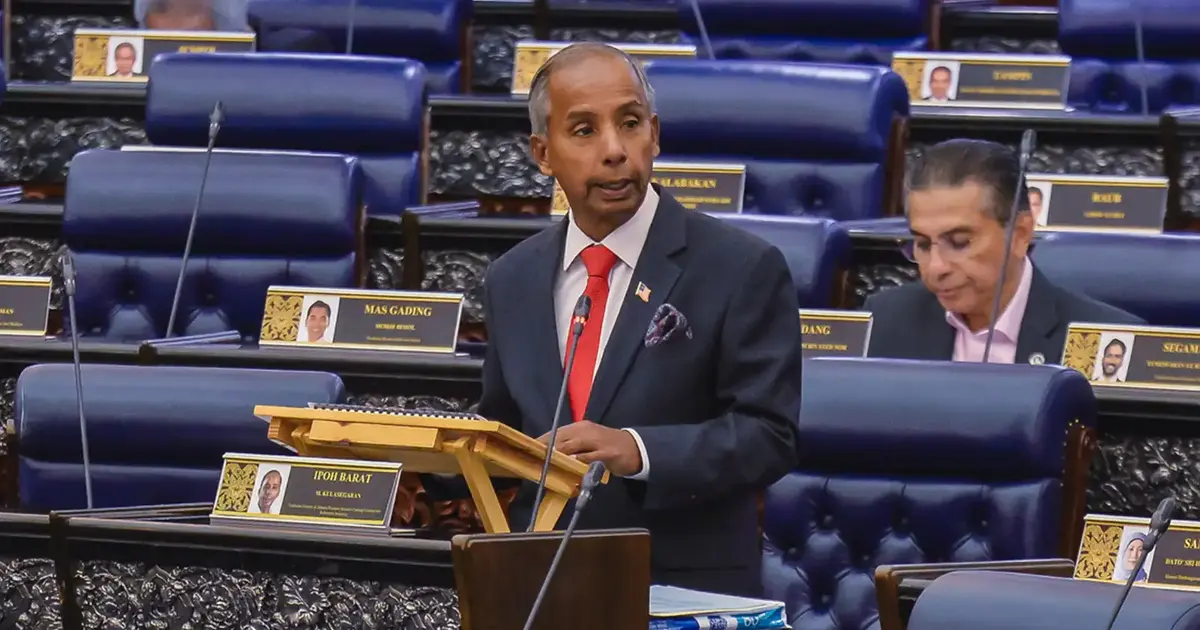
Members of Parliament may soon be granted access to closed-circuit television recordings from the Taiping prison disturbance, according to the deputy law and institutional reform minister, though several procedural hurdles must first be cleared. The disclosure comes as continued scrutiny surrounds the incident, with legislators keen to examine visual documentation of events that unfolded behind prison walls. The minister's cautious optimism about potential parliamentary oversight represents a potential opening in what has otherwise been a restricted information environment around the episode.
Before any such disclosure can occur, the Malaysian Cabinet must formally endorse the proposal, the deputy minister indicated when responding to parliamentary inquiries. This requirement reflects standard governance protocols governing the release of sensitive material from custodial institutions, particularly where security and operational concerns intersect with public accountability. The Cabinet's deliberative process will need to balance transparency demands with institutional security protocols that prison authorities typically guard closely.
Pending court proceedings constitute the primary brake on immediate release of the footage, according to the deputy minister's explanation. Various legal cases stemming from the Taiping incident remain active within the judicial system, and releasing visual evidence prematurely could potentially prejudice ongoing trials or investigations. This legal constraint is not merely bureaucratic; it reflects genuine jurisprudential concerns about contaminating evidence or creating circumstances that defence or prosecution counsels might exploit to challenge proceedings.
The Taiping prison incident has generated substantial political attention since it occurred, with opposition parliamentarians particularly vocal in demanding greater transparency about what transpired. The desire to examine CCTV footage directly reflects broader parliamentary frustration with official statements that some legislators regard as insufficiently detailed or forthcoming. By making visual documentation available to MPs on a confidential basis, the government could potentially satisfy demands for greater scrutiny without compromising active legal proceedings.
For Malaysian readers, the situation underscores ongoing tensions between institutional transparency and security considerations within the justice system. Public confidence in prison management and operations depends partly on faith that authorities operate responsibly and in accordance with legal standards. Yet prisoners also represent a unique population with limited ability to defend their own interests, making independent oversight from parliament potentially valuable. This balancing act has become increasingly delicate as Malaysia's civil society grows more assertive about accountability across government institutions.
The deputy minister's statement represents a shift from earlier positions that appeared to preclude any parliamentary access to the footage. That evolution reflects sustained political pressure from multiple quarters, suggesting the government recognises that some form of disclosure may become unavoidable. By framing access as contingent upon Cabinet approval and legal clearance, officials preserve a framework within which they can still restrict or condition disclosure if circumstances change.
The Cabinet approval pathway also provides political cover for ministers who might face resistance from security agencies or the prison service itself. Those institutions often resist transparency measures on grounds of operational security or staff safety, and requiring Cabinet-level endorsement allows political leadership to override such objections if deemed necessary. Conversely, the Cabinet can use legal complexities as justification for continued restrictions if political calculations shift.
Regionally, Malaysia's approach to prison transparency questions reflects broader Southeast Asian patterns where security considerations frequently trump accountability demands. Countries throughout the region struggle to reconcile desires for democratic oversight with institutional prerogatives and concerns about operational vulnerability. How Malaysia resolves this particular dispute may offer instructive precedent for neighbouring jurisdictions grappling with similar tensions.
The timeline for Cabinet consideration remains unspecified, which itself reflects bureaucratic patterns where sensitive decisions often drift through committees without definite resolution dates. MPs seeking access to the footage will likely need to maintain pressure through parliamentary questions and media attention to prevent the matter from stalling indefinitely. The deputy minister's guarded language suggests the government is neither firmly committed to disclosure nor entirely opposed, leaving the outcome genuinely uncertain.
Stakeholders ranging from human rights advocates to opposition politicians to prison reform organisations will probably scrutinise Cabinet deliberations closely. The decision whether to allow parliamentary viewing of the footage carries symbolic weight beyond the immediate factual questions the footage might illuminate. Granting access signals that parliament possesses legitimate oversight authority over custodial institutions, while maintaining restrictions reinforces executive dominance over information about state operations.
For prison governance in Malaysia specifically, allowing parliamentary access to CCTV documentation could establish a useful precedent. If the Cabinet approves disclosure in this instance and no serious negative consequences materialise, pressure for similar access in future incidents would likely intensify. Conversely, if the Cabinet ultimately denies access, MPs and civil society organisations would probably interpret that decision as confirmation that executive authorities consider parliamentary oversight expendable when security narratives take precedence.
The deputy minister's public statement also serves a diplomatic function, signalling to international human rights bodies and foreign governments that Malaysia takes parliamentary oversight seriously. Such signals matter as Malaysia seeks to maintain international credibility and counter suggestions that its institutions lack genuine checks and balances. The careful calibration of the minister's remarks reflects awareness that different constituencies—domestic political rivals, international observers, security agencies, and the public—will interpret the government's position through distinct lenses.

