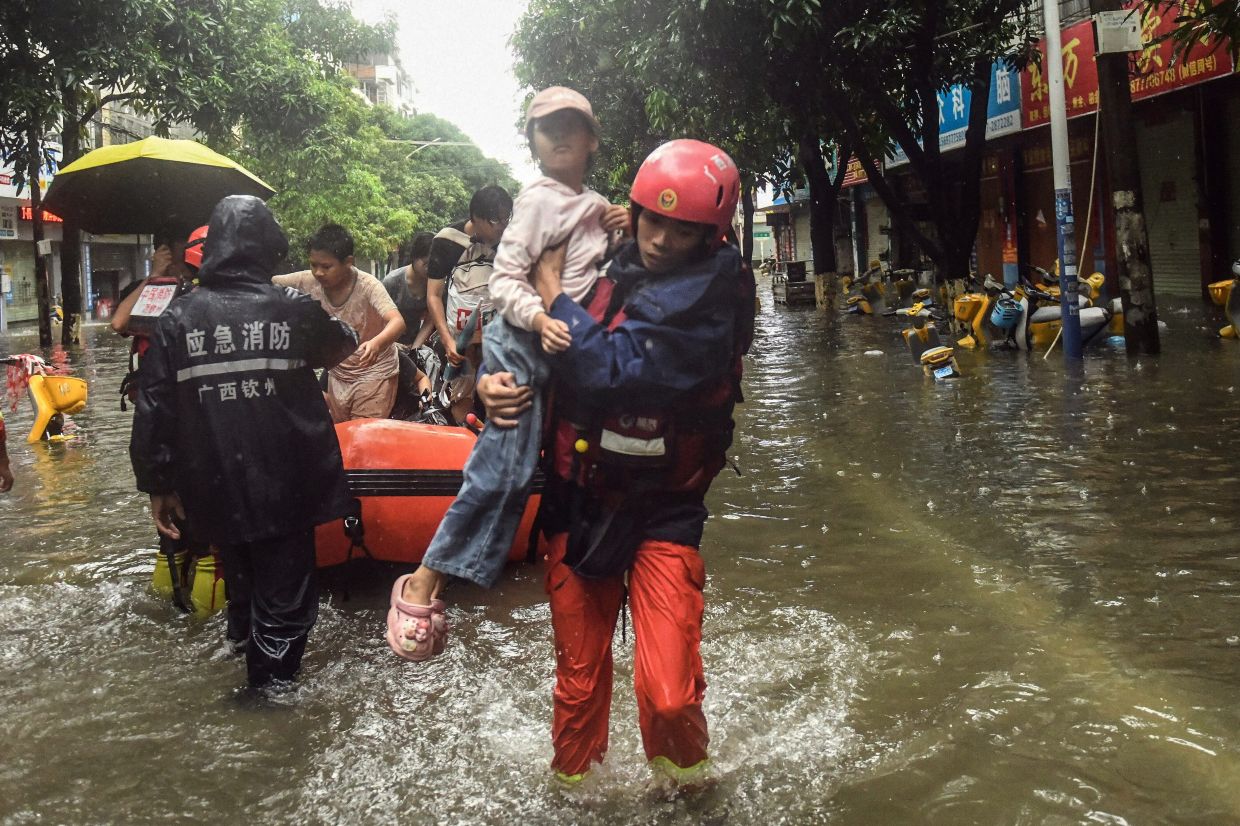
Rescue operations have intensified across multiple Chinese provinces following a succession of catastrophic weather events and geological disasters that have claimed at least 17 lives and displaced more than 100,000 people. The deadliest impact came from Typhoon Maysak, which unleashed torrential downpours across southern China, with the Guangxi Autonomous Region bearing the brunt of the destruction. State media reported that six deaths occurred in Guangxi alone, while the combined toll from concurrent thunderstorms and tornadoes across other provinces has continued to mount, underscoring the scale of the emergency gripping the nation.
Guangxi has emerged as the crisis epicentre, with regional authorities reporting the evacuation of at least 130,000 residents from flood-prone areas. The typhoon's relentless rainfall transformed normally manageable waterways into raging torrents, causing 40 rivers and tributaries to overflow their banks simultaneously. State media footage documented the alarming sight of a reservoir dam in the region crumbling under the force of surging floodwaters, with rescue personnel in life vests navigating the chaos aboard inflatable boats. The agricultural toll proved substantial as well, with nearly 13,000 acres of farmland inundated or destroyed, threatening food security in the region.
Meteorological forecasts offered little respite to affected communities, with officials warning that persistent rainfall would continue through Wednesday in both Guangxi and the neighbouring Guangdong province. The Ministry of Water Resources has underscored the severity of the situation, noting that flood peaks at key monitoring stations are expected to exceed warning thresholds by more than six metres. Minister Li Guoying cautioned that the prolonged inundation at dangerously elevated water levels poses severe structural risks to the region's reservoir and embankment systems, infrastructure that typically protects densely populated downstream areas from catastrophic overflow.
Government response mechanisms have been activated at the highest levels. The State Flood Control and Drought Relief Headquarters maintained China's second-highest flood-control emergency alert status in Guangxi, signalling the recognition of sustained hazard among officials. Supply shipments of critical relief materials including food provisions, waterproof outerwear, and rescue vessels were mobilised to affected zones through state news agency Xinhua. The central government's intervention reflected the political imperative to demonstrate competent crisis management, with President Xi calling on rescue personnel to "go all out" in organising emergency response operations during the height of the disaster.
Beyond the inundation in the south, China confronted secondary disaster sequences triggered by the same weather systems. Thunderstorms and violent wind gusts ravaged Hubei province in central China, claiming 11 additional lives and injuring 331 people. The storm damaged approximately 4,800 residential structures and completely destroyed 22 homes in the region, displacing families who had no advance warning of the tornado formation. One person remained unaccounted for in Hubei as of the official reporting, suggesting the casualty count could still rise as search operations continued.
Simultaneously, a catastrophic landslide in Gansu province in northwestern China added another dimension to the national disaster narrative. The geological failure occurred early Tuesday morning at Rencang village in Dangchang County, initially reported to have buried 33 people. By Wednesday, official sources confirmed that 21 individuals had perished in the landslide, though whether this represented a downward revision of initial estimates or reflected the discovery of additional survivors remained unclear. Rescue teams mobilised rapidly to the site, though authorities ultimately concluded that search and rescue operations had been completed, suggesting limited prospects for additional survivors.
The Gansu landslide's causation remained under investigation at the time of reporting, leaving questions about whether the geological failure occurred naturally or resulted from underlying instability exacerbated by heavy precipitation from the same weather systems affecting southern regions. Local authorities responded to the disaster by allocating 30 million yuan, approximately US$4.4 million, in reconstruction funding for the affected community. This committed expenditure indicated governmental acknowledgment of the scale of physical destruction and the necessity for sustained recovery efforts in the rural area.
The cascade of simultaneous disasters across multiple provinces and diverse geographic regions highlights the particular vulnerability of China during its summer monsoon season. Meteorological patterns during these months create conditions where certain regions experience unprecedented rainfall while others face severe drought and heat stress. The concentration of disasters across such dispersed locations simultaneously strains rescue and relief coordination systems, even within a nation equipped with substantial disaster response infrastructure. For Malaysia and Southeast Asia, the events serve as a reminder of climate volatility and the importance of regional cooperation on disaster preparedness.
The political dimension of China's response cannot be overlooked. High-profile statements from Xi and intensive media coverage of rescue operations serve both humanitarian and strategic purposes, demonstrating state capacity to respond decisively to citizens' needs during crises. The rapid mobilisation of resources and personnel reflects decades of institutional development in disaster management, though the frequency of such events raises longer-term questions about climate adaptation and development planning in hazard-prone regions. For neighbouring Southeast Asian nations with comparable exposure to typhoons and flooding, the Chinese experience offers both cautionary lessons and examples of large-scale coordination mechanisms that might be adapted to regional contexts.

