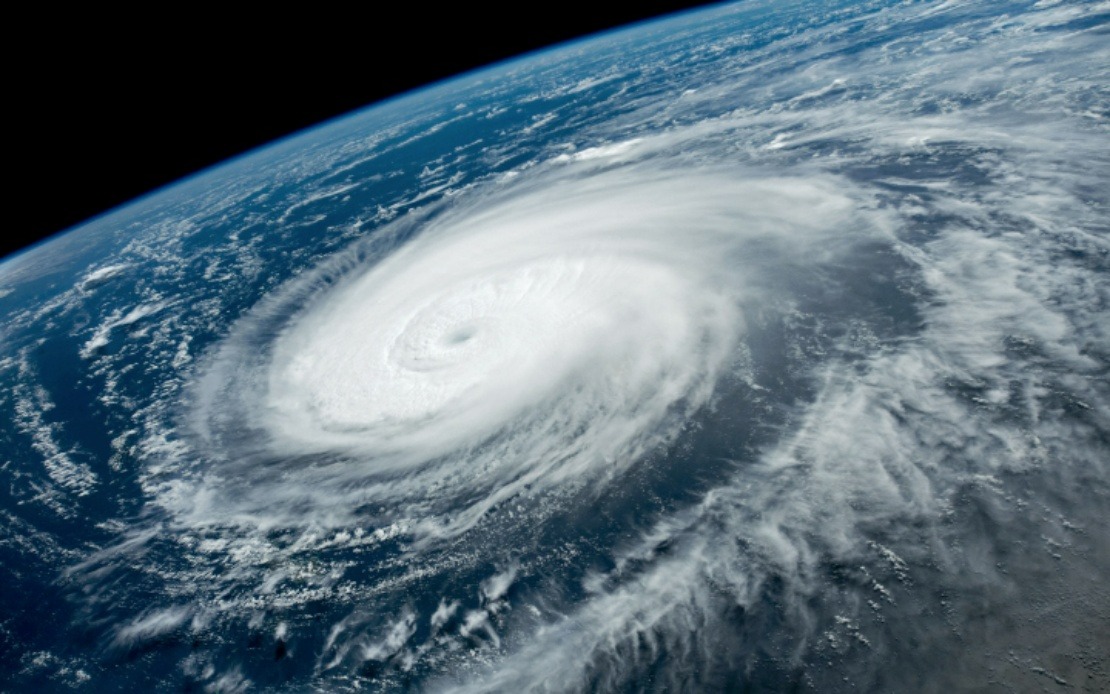
Eastern China is mobilising extensive precautions as Typhoon Dolphin closes in on its coastline, with the country's meteorological authorities on Saturday upgrading the emergency response classification to Level III whilst simultaneously escalating the typhoon warning from yellow to orange status. The approaching storm has prompted a comprehensive defensive strategy across multiple provinces, reflecting the potential severity of the weather system and the demonstrated capacity of Chinese disaster management infrastructure to coordinate large-scale preventive operations.
The National Meteorological Centre has indicated that Typhoon Dolphin is expected to make landfall along a stretch of densely populated coastline extending from Zhoushan in Zhejiang Province to Fuding in Fujian Province, with the crossing anticipated to occur between Sunday night and Monday morning. This specific trajectory places the impact zone over some of China's most economically significant and heavily populated regions, where maritime activity, construction operations, and passenger transportation are concentrated along the coast and in river deltas.
Zhejiang Province, which lies directly in the projected path of the typhoon, has initiated its second-highest level of typhoon emergency response. The province's preparedness measures reflect the scale of potential disruption, with authorities deploying more than 4,000 monitors across over 7,500 locations deemed vulnerable to secondary disasters such as landslides and geological failures. This proactive geological surveying strategy demonstrates recognition that typhoon damage often extends beyond direct wind and rainfall impacts, with terrain destabilisation posing additional hazards to communities and infrastructure in mountainous or steep terrain.
Transportation infrastructure in Zhejiang has been substantially disrupted in anticipation of the storm's arrival. All 162 passenger ferry routes operating throughout the province have been suspended, whilst work has been halted at all 193 offshore construction projects that would otherwise be exposed to dangerous conditions. Additionally, authorities have directed 474 construction vessels to return to port by Friday morning, effectively removing floating assets from areas where they would face substantial risk of damage or loss. These coordinated suspensions represent a significant economic disruption but underscore the prioritisation of safety over continued operations during the critical pre-impact window.
Fujian Province, which shares the projected landfall zone with Zhejiang, has implemented its own protective measures on a comparable scale. Authorities have suspended 40 passenger ferry routes and brought work at 115 offshore construction sites to a halt as of Saturday noon. The coastal city of Fuding, situated near the projected impact point, has successfully recalled all 1,210 registered fishing boats to port, removing the maritime workforce and vessels from exposure to the approaching typhoon. This complete recall of the fishing fleet demonstrates the authority's determination to prevent loss of life at sea and protect valuable maritime assets.
Shanghai, whilst not expected to experience direct landfall, faces significant indirect impacts from Typhoon Dolphin's passage. The municipality issued a blue-level typhoon alert on Friday, with forecasters cautioning that the storm system could generate strong winds and substantial rainfall affecting the city over a four-day period. This extended impact window reflects the broad weather system associated with the typhoon rather than merely the narrow impact of the eye itself. Train services throughout the Yangtze River Delta region, which encompasses Shanghai and surrounding areas, are scheduled for suspension beginning Sunday, disrupting regional connectivity and passenger movement during the critical weather period.
Xu Yinglong, chief forecaster at the National Meteorological Centre, has provided comparative analysis suggesting that Typhoon Dolphin presents a more severe threat than Typhoon Bavi, which made landfall in China during July. This assessment indicates that the approaching storm may generate stronger wind speeds and produce heavier precipitation totals than the previous system, placing it in the higher range of typical typhoon severity. Such forecasting comparisons provide context for the intensity of response measures being implemented and justify the elevated alert levels across affected provinces.
China's structured approach to typhoon response relies on a dual classification system that enables proportionate resource allocation and communication clarity. The four-tier colour-coded weather warning framework positions red as the highest severity level, followed by orange, yellow, and blue designations in descending order of urgency. Running parallel to this warning system is a four-tier emergency response classification where Level I represents the maximum response intensity. The upgrade to Level III emergency response, coupled with the orange typhoon warning, indicates substantial threat without yet reaching the absolute maximum alert status, suggesting authorities retain capacity for further escalation should the forecast intensify.
For Malaysian and Southeast Asian observers, the response measures being implemented by China's coastal provinces offer insights into regional typhoon preparedness frameworks and the economic implications of major weather disruptions. The suspension of ferry services, halting of offshore construction, and recall of fishing fleets represent direct economic costs that extend across maritime commerce, energy infrastructure, and food production sectors. The coordination of monitoring systems and geological hazard surveillance also illustrates the multi-dimensional character of typhoon impact management, encompassing not only the immediate weather threat but also secondary disasters that can unfold after the initial system passes through affected areas.
The timing of Typhoon Dolphin's approach during peak summer tourism and fishing seasons amplifies the economic significance of the disruptions. Construction halts on offshore energy and infrastructure projects delay critical development work, whilst the suspension of ferry services isolates communities and disrupts supply chains. These cascading economic effects ripple beyond the immediate impact zones, affecting broader regional commerce and demonstrating the interconnected vulnerability of modern economies to significant weather events, a reality increasingly relevant for all East and Southeast Asian nations facing intensifying tropical storm activity.

