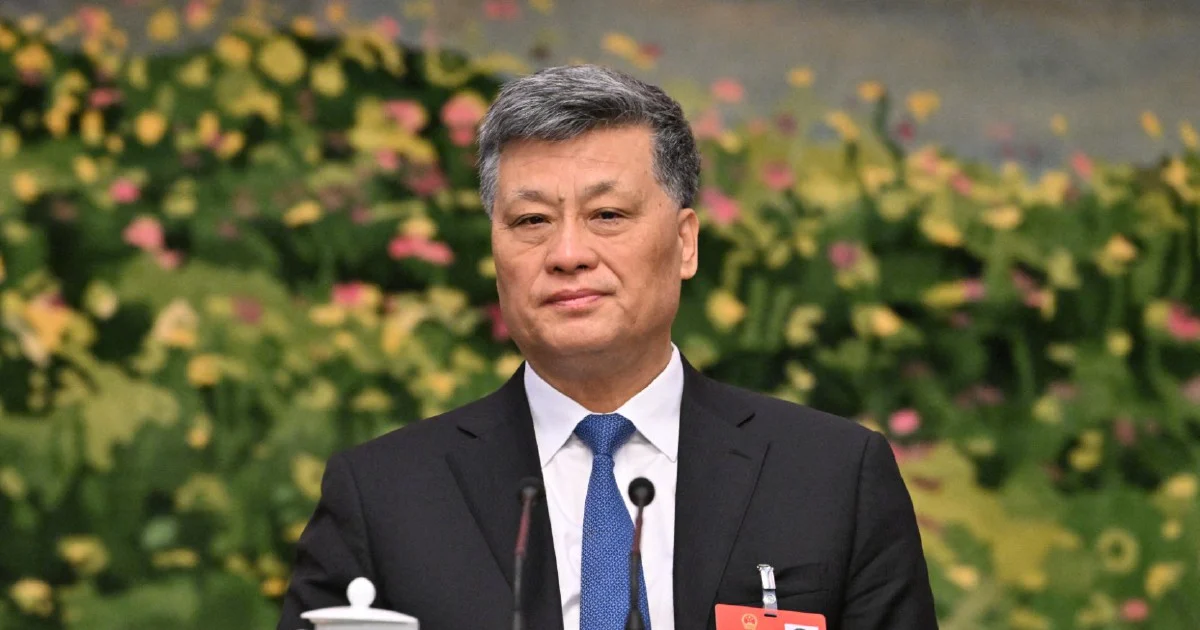
A former high-ranking official in China's Xinjiang Uygur Autonomous Region has been formally expelled from the Communist Party and stripped of all official positions following an investigation into serious corruption charges. State media announced the disciplinary action on Tuesday, citing allegations that encompassed nepotism, bribery, and solicitation of sexual services—offences that underscore the continued vulnerability of regional administration to graft despite Beijing's sustained anti-corruption drive.
The expulsion represents another in a lengthening string of high-profile removal cases from Xinjiang's leadership ranks, where governance structures have repeatedly faced scrutiny over both administrative misconduct and operational effectiveness. Beijing has intensified oversight mechanisms across the region in recent years, introducing stricter accountability measures and expanded internal investigation protocols. This latest action sends a clear signal that party cadres occupying sensitive regional positions face heightened consequences for violations of party discipline and state law.
Corruption in China's western regions has presented persistent administrative challenges, partly owing to geographic distance from central supervisory mechanisms and the complexity of managing a ethnically diverse territory. Xinjiang's strategic importance—both as a critical component of the Belt and Road Initiative and as a region requiring stable governance—has made transparency and integrity among officials a matter of heightened concern for the national leadership. The removal of officials at this seniority level demonstrates that Beijing regards such breaches as fundamentally incompatible with the region's development objectives and political stability requirements.
The specific nature of the charges—encompassing personal enrichment through family connections and misuse of public authority—reflects patterns that anti-corruption investigators have identified across China's bureaucracy. Nepotism remains particularly insidious because it undermines meritocratic principles that the party officially champions and creates informal networks that escape formal accountability structures. When officials leverage their positions to benefit relatives through government contracts or preferential treatment, they simultaneously erode public trust and create inefficiencies in resource allocation.
Bribery allegations in this context suggest a more systematic pattern of extracting payments in exchange for administrative favours or regulatory leniency. In developing regions like Xinjiang, where substantial state investment flows through government procurement and infrastructure projects, opportunities for corrupt officials to solicit kickbacks from contractors and business interests multiply. The investigation into these charges likely uncovered documentation of transactions or communications that provided concrete evidence of quid pro quo arrangements.
For Malaysian and Southeast Asian observers, this case carries relevance beyond China's internal politics. Xinjiang remains strategically vital to regional connectivity initiatives, and the integrity of its governance structures directly impacts the stability of trade corridors and investment frameworks that extend into Central Asia and beyond. When corruption becomes systemic among regional administrators, it creates friction in contract negotiations, increases project costs through illicit payments, and undermines confidence in government institutions responsible for approving and overseeing major initiatives.
The timing and scope of anti-corruption campaigns in Xinjiang also reflect broader patterns of centralisation within the Chinese political system. Beijing has expanded direct supervision over regional cadres and reduced the discretionary authority that historically allowed local officials to operate with relative autonomy. This structural recalibration, while intended to strengthen control and reduce corruption, has also generated tensions within local governance structures as officials adapt to heightened scrutiny and reduced decision-making latitude.
China's anti-corruption machinery has demonstrated increasing sophistication in investigating financial crimes, employing forensic accounting techniques, digital surveillance, and international cooperation to trace illicit funds and document misconduct. The expulsion of this official reflects the capacity of these investigative bodies to build prosecutable cases against senior cadres, even when misconduct occurred years earlier or involved complex asset concealment schemes.
The disciplinary action carries implications for Xinjiang's administrative climate as existing and prospective officials contemplate the professional risks of ethical lapses. Public removal of high-ranking figures serves a deterrent function, though effectiveness depends on whether institutional reforms address the structural incentives that encourage corruption. Without systematic changes to oversight mechanisms, financial transparency, and promotion criteria, removing individual offenders may treat symptoms rather than underlying causes.
For foreign companies and investors operating in or trading with Xinjiang, these governance developments warrant attention. Corruption in government administration can create unpredictability in regulatory decisions, increase costs of doing business through informal payments, and expose commercial partners to reputational and legal risks. Conversely, strengthened anti-corruption enforcement suggests a regional administration increasingly oriented toward rule-based governance and transparent procedures, potentially reducing friction in commercial interactions.
The expulsion decision also demonstrates continuity in the Communist Party's assertion that no official—regardless of rank or position—remains immune from party discipline. This principle underpins the legitimacy of the anti-corruption campaign domestically and signals to international observers that accountability mechanisms, however imperfect, do operate within China's political system. Whether these enforcement actions meaningfully reduce corruption or merely cycle through officials while systemic vulnerabilities persist remains a question that governance analysts continue examining.

