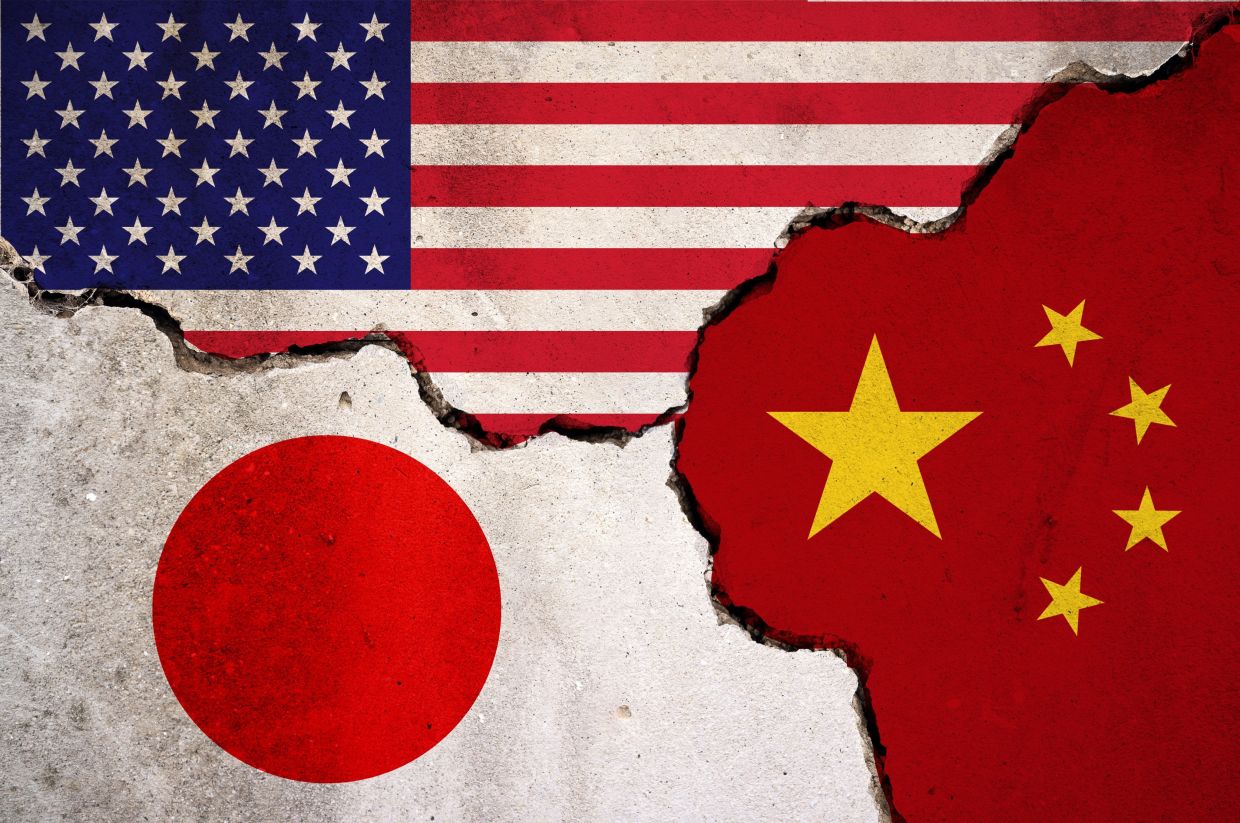
The diplomatic temperature across East Asia has dropped markedly over the past seven months as China has orchestrated a sustained campaign of economic punishment against Japan, leaving Tokyo feeling abandoned by its closest security partner and raising uncomfortable questions about American reliability when it matters most. Beijing's retaliatory measures, triggered by Prime Minister Sanae Takaichi's unguarded comments about a potential Chinese military assault on Taiwan, have intensified a simmering regional tension while simultaneously exposing deep fault lines between Washington and Tokyo that analysts worry could prove destabilising for the entire Indo-Pacific framework.
The crisis originated in November when Takaichi, then Japan's newly elected leader, broke from decades of carefully maintained diplomatic circumspection by explicitly characterising a Beijing attack on Taiwan as potentially catastrophic for Japan itself. Her assertion that military action by China across the Taiwan Strait "could by all means become a survival-threatening situation" for the Japanese nation represented a deliberate articulation of what had long remained implicit in regional security thinking but was never supposed to be stated aloud. The remark shattered the strategic ambiguity that has underpinned the delicate balance across the Taiwan Strait, forcing Beijing to respond forcefully while simultaneously creating an awkward moment for Washington to either stand firmly behind its treaty ally or maintain its own studied neutrality.
What has proven more damaging than Beijing's predictable fury, however, is Washington's essentially passive response to the ongoing economic coercion. Rather than leveraging American influence to pressure China into moderating its restrictions on rare earths, semiconductors, and other critical materials vital to Japanese industry, the Trump administration has treated the entire matter with marked indifference. According to multiple sources familiar with high-level consultations between Tokyo and Washington, Japanese officials have escalated their appeals from occasional mentions into sustained diplomatic campaigns at both cabinet and legislative levels, yet White House officials have consistently deprioritised the issue. One administration insider bluntly characterised the response as a bureaucratic deflection: "It's been a case of 'Japan wants this ... Next subject.'"
The frustration in Tokyo stems from a perception of fundamental betrayal compounded by Tokyo's own conscientious adherence to American requests for greater defence spending and regional security commitments. Japan has substantially increased its military budget and undertaken expensive modernisation programmes specifically to address Washington's long-standing complaints about allied burden-sharing. Yet precisely when these investments should translate into tangible American support against Chinese coercion, the Trump administration appears content to offer little more than rhetorical reassurances. One Japanese official, speaking on condition of anonymity, described the dynamic with barely concealed bitterness: the president "pays lip service to the Japanese leader and then softballs with Xi."
Analysts point to multiple overlapping factors explaining Trump's tepid commitment to defending Japan from economic pressure. The president's transactional worldview regards security guarantees and alliance commitments as chips to be played in larger strategic negotiations rather than foundational commitments deserving consistent support. Some observers suggest Trump views his apparent indifference toward Japan's plight as a calculated move to strengthen his negotiating position with Beijing, whether for a potential Washington summit later this year or in ongoing trade discussions. By declining to forcefully confront China's restrictions, Trump may believe he is cultivating goodwill with Xi Jinping that could yield concessions elsewhere.
The Middle East complications further distort American regional priorities. Washington's deepening military entanglement in the Persian Gulf, following Trump's February escalation with Israeli Prime Minister Benjamin Netanyahu, has created genuine resource and attention constraints on East Asian policy. The Trump administration has physically shifted anti-missile systems and military assets away from Japan and South Korea toward the Persian Gulf, a reorientation that sends an unmistakable signal about American strategic preferences. While some analysts note that Takaichi's November comments preceded the February war initiation and thus cannot fully explain the administration's earlier coldness, the broader pattern suggests a conscious American pivot away from East Asian concerns.
Trump's historical suspicion of allies as strategic free-riders also colours the response dynamic. Despite Japan's demonstrable efforts to increase defence contributions and strengthen bilateral security arrangements, Trump remains fundamentally sceptical that any ally genuinely carries its fair share of the collective security burden. This ideological predisposition combines awkwardly with his transactional personality, creating a mindset wherein supporting allies against external pressure is viewed as rewarding dependency rather than investing in mutual security. The president's public disappointment that Tokyo, NATO members, and European allies declined to deploy naval assets to support American operations in the Persian Gulf crystallises this grievance, making his subsequent indifference toward Japanese pleas appear almost punitive.
Japan itself faces an uncomfortable strategic dilemma in responding to this American diffidence. Tokyo cannot afford to appear weak internationally by publicly complaining about Chinese coercion, as such visible vulnerability might invite further pressure. Simultaneously, Japan remains reluctant to directly petition Washington for more vocal public support, recognising that such requests could themselves be perceived as signs of weakness. Jeremy Chan, senior analyst with Eurasia Group, articulates this bind: "Japan would of course welcome more vocal support from Washington against Chinese coercion, but Tokyo is also reluctant to ask the US directly for it." This mutual reticence has created a peculiar diplomatic stalemate wherein the ally most directly threatened by Chinese economic punishment finds itself essentially unable to effectively mobilise its putative protector.
The broader implications for East Asian stability warrant serious consideration from regional governments. If China perceives that the United States is unwilling to defend key allies against economic coercion, it significantly alters the calculation of what pressure campaigns might prove sustainable. Japan's strategic importance to American security architecture in the Indo-Pacific is difficult to overstate—the bilateral security alliance provides Washington with critical military bases, intelligence infrastructure, and logistical support that underpins American power projection across the entire region. Yet Trump's apparent willingness to sacrifice short-term alliance cohesion for perceived negotiating advantage with Beijing threatens to undermine the very foundations of the security architecture that has enabled decades of relative stability and prosperity.
Observers also note a troubling personal dimension to Trump's approach that distinguishes his current posture from traditional American grand strategy. Multiple sources indicate that the president has become progressively absorbed in personal matters including family property interests, cryptocurrency ventures, and personal grievances rather than maintaining focus on sustained geopolitical strategy. Jeffrey Moon, former National Security Council member and head of China Moon Strategies, suggests this personalisation of the presidency manifests in selective commitment to alliance obligations. "It's increasingly about him personally, not about the party, not about the international community," Moon observed, implying that alliance support becomes contingent on immediate personal benefit rather than long-term strategic interest.
For Southeast Asian observers watching this dynamic unfold, the implications extend beyond Japanese concerns. A weakening of American commitment to Japan raises troubling questions about the broader American security guarantee that underpins regional stability from the South China Sea to the Philippine Sea. If Tokyo cannot reliably count on Washington's support against Chinese economic pressure, what confidence can other allied nations place in American defence commitments when their own security is directly threatened? This credibility crisis may prove as consequential as any specific military balance, potentially encouraging Beijing to escalate pressure on other American allies and test the limits of Washington's willingness to sustain collective security arrangements in Asia.
While some analysts argue that Takaichi perhaps overextended diplomatically by rupturing the carefully constructed ambiguity surrounding Taiwan, others contend her remarks merely articulated what Japan's geography, military posture, and alliance commitments had always implicitly conveyed. The real test of American commitment lies not in how it responds to Japan's occasional indiscrete statements, but in whether it will stand beside its most important Asian ally when that ally faces deliberate economic coercion designed to test alliance cohesion. Thus far, Trump's response suggests that Japan may need to recalibrate its expectations regarding American support in confronting Beijing's pressure campaigns.

