Mainland China's outbound tourism landscape is undergoing a significant transformation this summer, with fewer holidaymakers venturing abroad overall and those who do choosing destinations within Asia rather than traditional long-haul markets. The shift reflects a confluence of economic pressures at home, regional security concerns, and operational challenges in global aviation, fundamentally altering where Chinese travel spending flows and reshaping competitive dynamics for tourism destinations across the region.
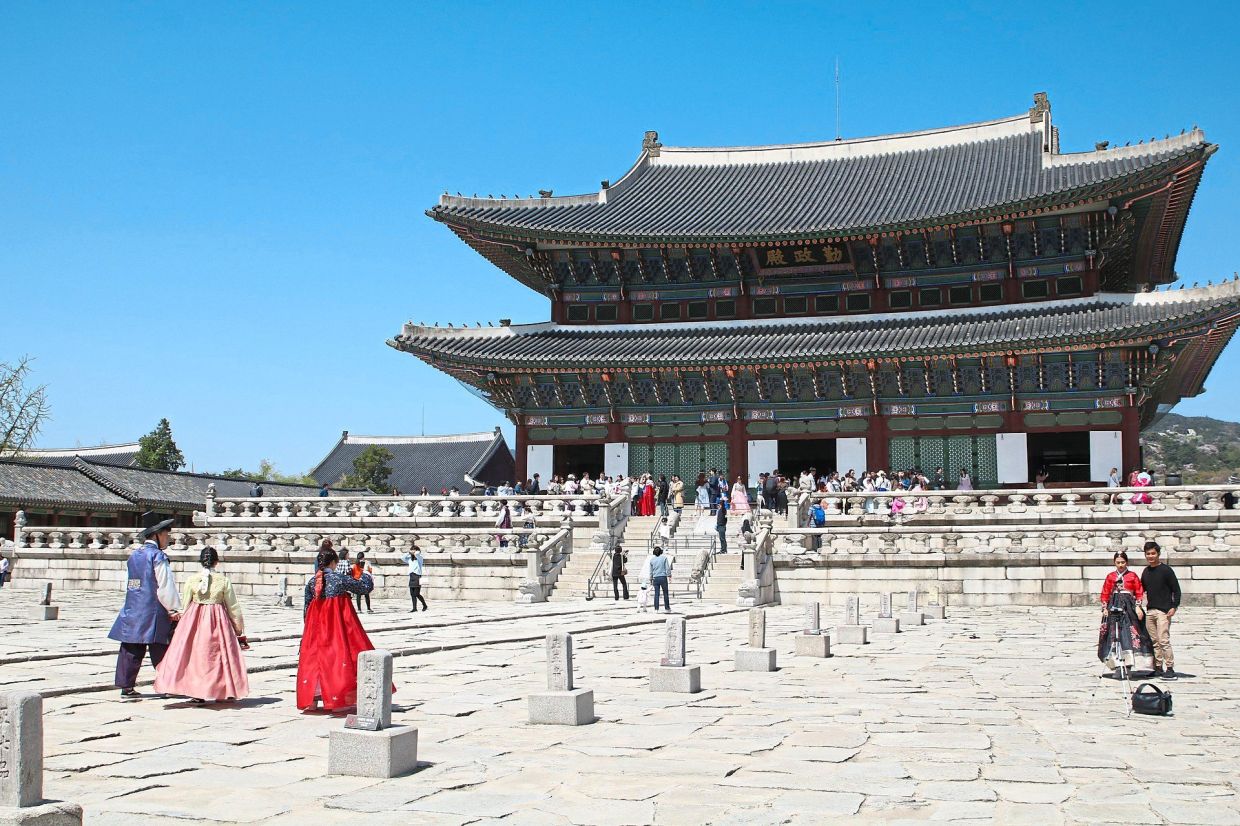
Data compiled by travel analytics firm China Trading Desk reveals a pronounced geographical concentration in summer travel patterns. Seoul has emerged as the clear regional leader, projected to receive 2.15 million mainland arrivals between June and August—representing a 14 percent increase year-over-year. Hong Kong trails closely with approximately 1.94 million expected visitors. Yet beyond these established hubs, Southeast Asian cities are capturing meaningful shares of this pivotal market. Kuala Lumpur's booking numbers surged 16 percent compared to the previous year, positioning Malaysia as a significant beneficiary of the regional reorientation. Vietnam's major centres, including Ho Chi Minh City and Hanoi, have also cracked the top ten destinations, indicating broader appeal across mainland Southeast Asia.
This preference shift carries substantial implications for the region's tourism economy. Mainland Chinese visitors represent one of the world's most economically consequential tourist cohorts. The World Travel and Tourism Council estimates that Chinese travellers will undertake more than 184 million outbound journeys this year and spend approximately US$265 billion across global destinations. For Southeast Asian economies still recovering from pandemic-era disruptions and competing for regional market share, capturing a larger proportion of this spending pool represents a critical economic opportunity.
The paradox underlying current trends is one of diminished volume coupled with persistent spending power. Subramania Bhatt, head of China Trading Desk, characterises the contemporary Chinese tourist as seeking proximity, safety, value, and accessibility. Rather than viewing long-haul travel as a marker of status or adventure, the increasingly pragmatic traveller prioritises functional benefits and cost-efficiency. This psychological shift reflects broader economic anxieties permeating mainland China, where property sector contraction and moderating growth rates have dampened consumer confidence and encouraged more deliberate spending decisions.
Aviation disruptions have accelerated the regional concentration trend. The conflict in West Asia temporarily destabilised flight networks and prompted route diversification away from traditional Middle Eastern transit hubs. June passenger flows from China reached approximately 4.9 million through month's end, down from 5.3 million recorded in the comparable period last year—a decline attributable partly to capacity constraints and uncertainty surrounding conflict-zone aviation corridors. Airlines managing fuel costs, insurance premiums, and schedule recovery have curtailed capacity, creating practical limitations on travel options and inadvertently pushing tourists toward more accessible regional alternatives.
Geopolitical tensions between mainland China and Japan have produced the most dramatic destination shifts. Tokyo experienced a staggering 26 percent decline in mainland Chinese visitors this summer, while Osaka failed to maintain its previously coveted position within top ten rankings. These figures follow controversial comments by Japanese Prime Minister Sanae Takaichi regarding potential military involvement should China attack Taiwan—statements that prompted Beijing to discourage its citizens from visiting Japan. Official data from the Japan National Tourism Organisation substantiated the cooling effect, documenting a 60 percent year-on-year collapse in mainland Chinese arrivals during May alone. The episode demonstrates how rapidly geopolitical signalling can redirect tourist flows and reveals the vulnerability of destinations dependent on single-source markets to interstate friction.
Simultaneously, the composition of Chinese traveller spending is shifting markedly downward. While average expenditure per outbound trip reached a two-year peak of US$4,085 in March, subsequent growth has moderated considerably as economic uncertainty persists. Particularly revealing are patterns in luxury consumption. Fashion and beauty purchases now comprise approximately 76 percent of retail spending this month, compared to 71 percent in June 2025, suggesting tourists are increasingly allocating budgets toward wearable items with practical utility. Conversely, high-ticket luxury goods including jewellery and watches have contracted to 23 percent of spending from 28 percent previously. Traveller analyst Hanming Li notes that contemporary Chinese tourists remain mobile but adopt comparative shopping methodologies and actively seek discounts—behaviour patterns reflecting attentiveness to value and departure from the conspicuous consumption stereotypes of prior years.
Credit card data compiled by China Trading Desk indicates that average duty-free spending by mainland travellers has declined year-over-year, capturing the broader reorientation toward functional purchasing. The psychological transition from maximising luxury accumulation to optimising travel experience satisfaction within constrained budgets has profound implications for retail sectors in tourism destinations, particularly luxury goods markets that previously relied upon Chinese visitor expenditure. Southeast Asian cities benefit from this recalibration insofar as they offer superior cost structures compared to developed markets, making experience-based and moderately-priced retail more competitive.
Bhatt contends that a tentative peace accord between the United States and Iran should incrementally restore travel confidence, particularly regarding security perceptions and route normalisation. However, aviation sector recovery will likely lag confidence restoration by considerable margins. Airlines managing complex operational variables including fuel hedging strategies, insurance adequacy, aircraft utilisation efficiency, and schedule reconstruction face capacity constraints extending beyond immediate demand recovery. International flight capacity may not expand as rapidly as traveller confidence rebounds, potentially sustaining structural advantages for short-haul regional destinations through the autumn months.
For Southeast Asian governments and tourism boards, the present window represents a strategic opportunity to capture market share from declining long-haul competitors and establish stronger baseline relationships with Chinese traveller cohorts. Malaysia's 16 percent year-over-year increase in Kuala Lumpur bookings reflects positioning relative to competitors and suggests effective marketing resonance with value-conscious Chinese tourists. Vietnam's emergence in the top ten similarly indicates successful destination branding emphasising accessibility and cultural attraction at competitive price points.
The structural shift toward regional travel and value-conscious consumption may persist beyond the immediate crisis period. As China's economic cycle matures and property-sector adjustments continue, traveller psychology may remain oriented toward pragmatism rather than status-driven consumption. Southeast Asian destinations featuring strong value propositions, cultural authenticity, and geographic accessibility possess enduring competitive advantages in this recalibrated market. Conversely, long-haul luxury destinations dependent upon volume and conspicuous spending face sustained headwinds unless they successfully reposit themselves around experience and value narratives.
Looking forward, the normalisation of flight capacity and resolution of geopolitical tensions will occur at different speeds, potentially generating extended periods where regional Asia remains the dominant destination choice for mainland Chinese tourists. Airlines restoring capacity gradually and geopolitical confidence rebuilding incrementally means short-haul travel to Southeast Asia will likely remain the preferred option heading into autumn. For Malaysia and Vietnam particularly, this represents an unprecedented opportunity to solidify competitive positioning and establish tourism infrastructure, service standards, and marketing narratives that retain Chinese visitor preference even as long-haul options become available again.

