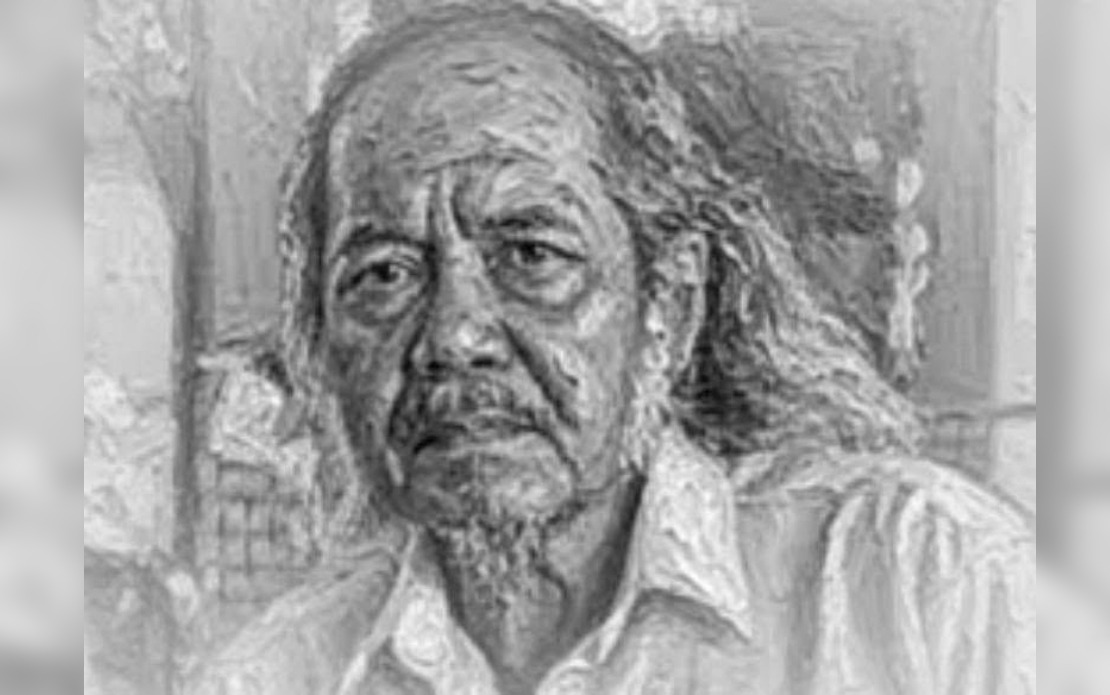
The Malaysian Artistes' Association (SENIMAN) has expressed profound sorrow at the death of veteran actor Kamarozaman Yusoff, professionally known as Cik Man, who passed away on August 5 at the age of 68. The actor died at Tanah Merah Hospital in Kelantan from heart complications, prompting the industry body to reflect on his considerable contributions to Malaysian cinema and television drama over more than four decades.
SENIMAN secretary-general Hafiz Nafiah released a statement characterising Cik Man as one of the country's finest character actors, whose loss marks a significant moment for the local entertainment sector. In an industry often preoccupied with fame and commercial success, Cik Man distinguished himself through a different approach to his craft—one rooted in authenticity and emotional depth rather than star power or public adulation.
Cik Man's defining characteristic as a performer was his naturalness on screen, paired with an unmistakable command of the Kelantan dialect that became his artistic signature. This linguistic authenticity, combined with his soulful interpretative style, allowed him to bring unusual dimensionality to character roles that might have been dismissed as secondary or supporting in the hands of less skilled actors. His ability to infuse such performances with genuine human complexity earned him deep respect among his professional peers and younger actors entering the field.
Remarkably, Cik Man never pursued fame or public recognition with the intensity typical of many performers. Instead, Hafiz noted that his dedication, discipline, and unwavering commitment to the craft itself became the hallmarks of his reputation. This philosophical approach to acting—prioritising artistic integrity over commercial or celebrity rewards—positioned him as a mentor figure and moral exemplar within the industry. Such dedication, particularly over a career spanning more than forty years, demands extraordinary resilience and passion for the work itself.
Cik Man's breakthrough came in 1986 with his role as Farouk in the film Gila-Gila Remaja, a performance that introduced audiences to his distinctive style. From that initial success, he methodically expanded his filmography with roles in Rozana Cinta 87, the Rock film trilogy (Rock, Rock Oo! and Rock Bro!), Tiada Tajuk, Cerita Hantu Malaysia, Mael Totey The Movie, and Abu Si Raksasa, demonstrating versatility across comedy, drama, and horror genres.
Among these achievements, his character work in the Rock trilogy, directed by the late Mamat Khalid, has attained iconic status within Malaysian cinema history. These films represent a particular era in local popular entertainment and continue to resonate with audiences across generations. Cik Man's performances in this series transcended the typical actor-in-a-film dynamic, becoming embedded in the cultural memory of Malaysian moviegoers and remaining fondly recalled decades after their release.
Beyond cinema, Cik Man also made significant contributions to Malaysian drama television, most notably through the series Banyak Chanteq. This work demonstrated his ability to sustain character development across serialised storytelling, bringing the same naturalistic approach that defined his film work to the demands of episodic drama production. Such versatility across different formats—film, television drama, and varying genres—speaks to a fundamental mastery of the actor's craft.
Hafiz's tribute emphasised that while Malaysia has lost an accomplished artist, Cik Man's creative legacy and professional contributions will endure through the body of work he leaves behind. In an age where streaming and digital formats have made older films more accessible than ever, new generations of Malaysians will continue to encounter and appreciate his performances. His interpretation of character, his linguistic authenticity, and his approach to acting as a discipline rather than a vehicle for personal advancement offer lessons that extend beyond his individual career.
SENIMAN's official acknowledgment of Cik Man's passing carries particular weight, as it positions his death within the broader context of Malaysia's creative industries and their ongoing development. The association's statement expressed deepest appreciation for his contributions to elevating the country's creative arts sector. This framing recognises that the work of individual artists, particularly those who remain committed to their craft over decades, collectively shapes the quality and character of a nation's cultural output.
The late actor's approach—marked by modesty, discipline, and artistic integrity—represents a counterpoint to contemporary entertainment culture's emphasis on fame, visibility, and personal branding. In honouring Cik Man, SENIMAN implicitly affirms the value of such commitment. For Malaysian audiences and aspiring performers, his career trajectory and artistic philosophy offer an alternative model of success, one measured not in tabloid headlines but in the lasting resonance of meaningful creative work.
Beyond the Malaysian film and television community, Cik Man's passing serves as a reminder of the important cultural work performed by character actors and supporting performers who may not command household-name recognition but whose contributions prove essential to the vitality of any nation's entertainment industry. SENIMAN's closing invocation of spiritual blessing reflects both the personal loss his family and colleagues experience and the broader cultural loss felt within the creative community.

