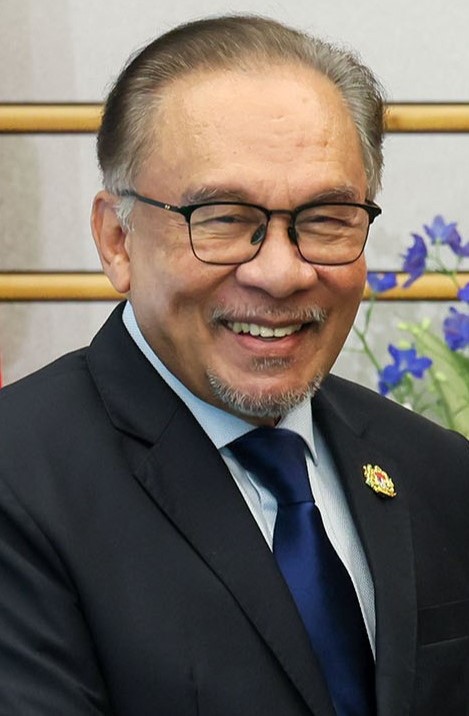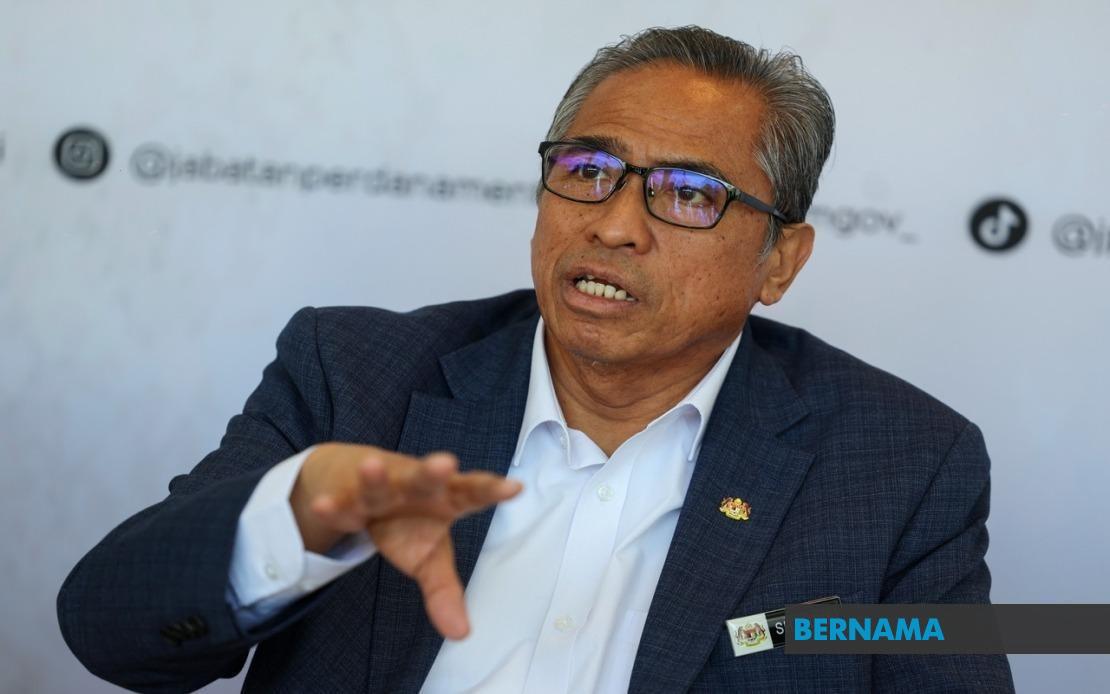
The federal government's administrative machinery must throw its full weight behind Prime Minister Datuk Seri Anwar Ibrahim's international diplomacy strategy, according to Chief Secretary to the Government Tan Sri Shamsul Azri Abu Bakar. Speaking in Kuala Lumpur on June 24, he emphasized that the civil service plays a crucial role in ensuring Malaysia capitalizes on the geopolitical openings created through the leadership's recent working visits to Russia and Turklemistan, which have positioned the nation strategically for exploring untapped markets and deepening ties with established trading partners.
Shamsul Azri framed the civil service as the institutional backbone that must convert diplomatic achievements into tangible domestic benefits. The recent high-level visits, he suggested, represent more than symbolic diplomatic wins—they constitute a mandate requiring immediate, coordinated action across government agencies at home. This framing underscores a critical challenge facing Malaysia's leadership: the gap between securing international agreements and successfully implementing them on the ground, where efficiency, coordination, and execution determine whether new partnerships yield real economic dividends for Malaysian businesses and workers.
The Chief Secretary identified trade and economic ministries as priority areas requiring heightened operational readiness. These agencies, he argued, must demonstrate exceptional agility and capacity-building capabilities to navigate the shifting global economic landscape. Malaysia risks falling behind if its government apparatus cannot match the ambitions of its diplomatic outreach with equally sophisticated domestic institutions. This reflects a broader Southeast Asian challenge: countries in the region frequently secure major international partnerships only to struggle with implementation due to bureaucratic bottlenecks, insufficient inter-agency coordination, or lack of technical expertise among implementing officials.
Crucial to the government's vision is what Shamsul Azri termed the need for civil servants to adopt a "global mindset" and function as "international-class strategic partners." This language signals an expectation that government officials must operate with sophisticated understanding of international markets, supply chains, and investment dynamics—a significant upgrade from traditional administrative roles. The demand reflects Malaysia's positioning as a middle-income economy seeking to attract high-value foreign investment and participate meaningfully in regional economic corridors that demand sophisticated engagement from government counterparts.
Shamsul Azri explicitly invoked the concept of MADANI Diplomacy and the "Whole-of-Government" approach as frameworks that must permeate daily administrative practice. MADANI Diplomacy, which emphasizes Malaysia's commitment to being a dignified, credible partner on the world stage, requires supporting mechanisms within the bureaucracy. The Whole-of-Government approach mandates that isolated ministry actions be replaced by coordinated, strategic efforts across departments—a structural change that demands new working relationships and information-sharing protocols among traditionally siloed agencies.
A central priority identified by the Chief Secretary is accelerating the Ease of Doing Business initiatives while simultaneously positioning Malaysia as an attractive investment destination. These complementary goals require civil servants to function as facilitators rather than gatekeepers, streamlining regulations and procedures that have historically slowed foreign investment decisions. This represents a cultural shift in how government officials approach their roles, potentially requiring training, incentive restructuring, and performance metrics that reward investment facilitation over cautious compliance.
The Chief Secretary stressed that every international agreement brokered through diplomatic channels must be rapidly operationalized domestically. This speaks to a practical vulnerability in Malaysia's system: agreements signed with Russia, Turkmenistan, or other partners remain merely commitments until Malaysian government agencies issue necessary permits, customs clearances, regulatory approvals, and logistical support. Delays at any step can cause investors to redirect their capital elsewhere, making bureaucratic efficiency a matter of national economic consequence.
Shamsul Azri connected these operational imperatives to the broader Public Service Reform Agenda (ARPA), specifically its "internationalisation" enabler. This framework ostensibly aims to build a civil service capable of supporting Malaysia's development agenda by cultivating globally oriented, high-capacity officials. However, such reform agendas often falter in execution due to resistance to change, insufficient training investment, or misalignment between reform rhetoric and actual incentive structures that govern how officials are evaluated and promoted.
The ultimate objective articulated by the Chief Secretary encompasses multiple dimensions: translating investment opportunities into high-income employment for Malaysians, securing reliable commodity supplies, and maintaining Malaysia's competitive position in global investment rankings. These goals implicitly acknowledge Malaysia's competitive vulnerabilities in a region where Vietnam, Thailand, and Indonesia are increasingly attractive alternatives for foreign manufacturers and investors. By successfully executing diplomatic gains, Malaysia can demonstrate that it offers not merely market access but a reliable, efficient partnership ecosystem.
For Malaysian businesses, the civil service transformation Shamsul Azri is calling for potentially offers significant advantages. Companies seeking to export goods, establish manufacturing operations, or partner with foreign investors would benefit from accelerated approvals, reduced bureaucratic friction, and government agencies actively supporting their international ventures. However, the success of such transformation ultimately depends on whether the civil service receives adequate resources, training, and organizational restructuring to meet these elevated expectations.
The Chief Secretary's remarks reflect an implicit acknowledgment that Malaysia's international diplomacy, while successful in opening doors with new partners, means little without domestic institutional capacity to walk through those doors. This challenge will define much of Malaysia's economic trajectory in the coming years, as the nation attempts to capitalize on its geographic position, established business networks, and diplomatic relationships to attract investments and create prosperity.