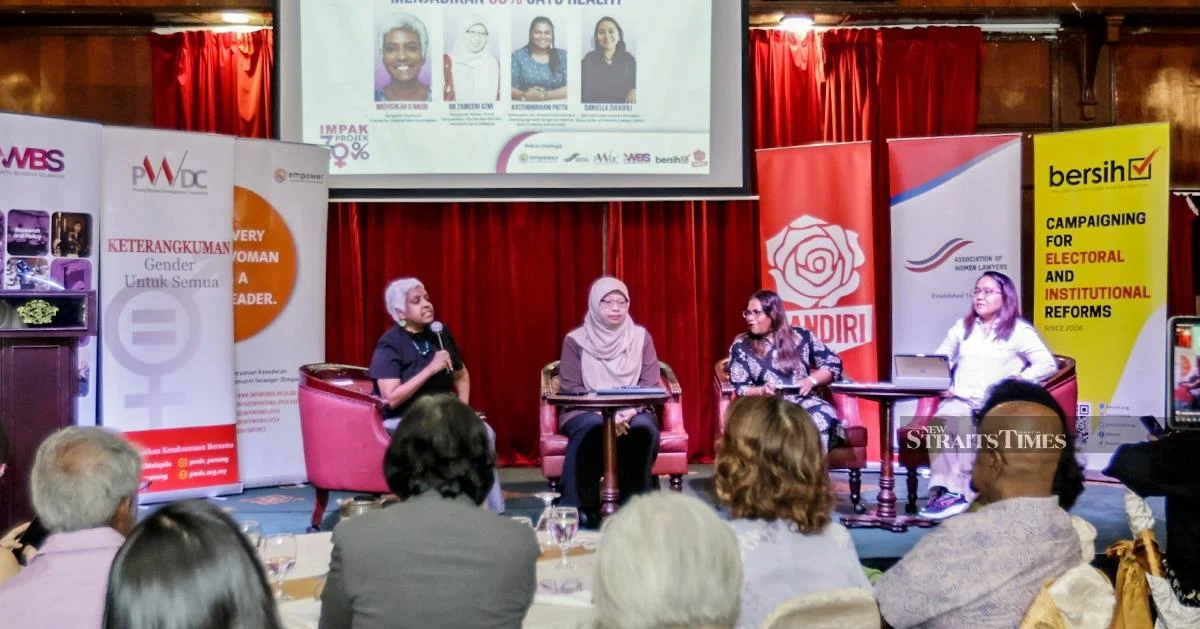
A broad coalition of civil society organisations has formally presented a memorandum and draft legislation to the Malaysian government in Kuala Lumpur, advancing a long-standing push for greater female representation in electoral contests. The submission targets the next general election, proposing a binding requirement that political parties nominate a minimum of 30 per cent women candidates across their slate of nominees. This initiative represents a significant effort by non-governmental actors to institutionalise gender parity in Malaysian politics through legislative mechanisms rather than voluntary commitments.
The 30 per cent threshold sits at the lower end of international benchmarks for women's representation in legislative bodies, yet remains ambitious within the Malaysian context. Countries across the region and beyond have adopted varying approaches to gender quotas, ranging from soft targets to hard legal requirements. The proposed Malaysian framework would move beyond existing voluntary measures and public commitments from individual parties, establishing an enforceable standard that applies uniformly across the political landscape. Such a mechanism would theoretically prevent parties from making unilateral decisions about female candidate representation without external accountability.
Current female representation in Malaysian politics lags significantly behind comparable democracies. The number of women in the Dewan Rakyat has historically hovered in the low double digits, making Malaysia a relative laggard even within Southeast Asia. This gap reflects structural barriers, cultural factors, internal party dynamics, and historical patterns of candidate selection that have traditionally favoured male candidates. The civil society initiative seeks to disrupt these entrenched patterns by creating legal consequences for non-compliance rather than relying on persuasion or gradual cultural shift.
The timing of this submission carries political weight, arriving in advance of a general election that remains constitutionally due by 2025. Political parties face mounting international pressure and domestic advocacy to demonstrate commitment to gender inclusivity, particularly as younger voters increasingly prioritise such concerns. However, securing legislative support for a binding quota system requires cooperation from ruling coalition members who have often resisted formal mandates in favour of internal party targets and voluntary frameworks. The government's response to this memorandum will signal its receptiveness to substantive gender parity measures.
Implementation of such legislation would reshape candidate recruitment and nomination processes across Malaysian political parties. Party machinery at federal and state levels would need to actively identify, recruit, and nominate qualified female candidates to meet the minimum threshold. This represents a departure from past practice where women candidates frequently emerged through limited channels and faced structural disadvantages in competing for party nominations. A legal requirement would force deliberate institutional change rather than incremental advancement through individual merit-based progression.
The 30 per cent benchmark reflects international experience suggesting that meaningful representation requires explicit quotas rather than aspirational targets. Studies from countries that have implemented similar requirements demonstrate that voluntary commitments rarely produce sustained progress without enforcement mechanisms. Malaysia's federal and state governments have periodically endorsed gender targets, yet electoral outcomes have shown little consistent advancement without binding legal frameworks. The civil society submission thus addresses a recognised gap between stated commitments and actual electoral outcomes.
Opposition to quota systems in Malaysia stems from several quarters, including those who argue that candidate selection should remain merit-based and free from external constraint. Some political commentators contend that such measures undermine party autonomy and introduce government interference into internal party affairs. Others suggest that organic advancement better serves long-term cultural change than imposed requirements. These arguments, while raised in good faith, overlook the extent to which existing informal quotas and exclusionary practices have already constrained female participation and prevented merit-based selection from operating transparently.
The coalition of civil society organisations demonstrates growing domestic consensus around the necessity of formal mechanisms to advance women's electoral participation. This reflects sophisticated understanding that incremental change has failed to produce measurable progress over decades. Malaysia's regional standing faces potential damage as comparator nations increase female representation through quota systems and legislative mandates. Strategic considerations around workforce development, demographic representation, and inclusive governance increasingly frame gender parity as an economic and administrative necessity rather than merely a social justice concern.
Successful implementation of a 30 per cent women candidate requirement would carry substantial implications for Malaysian politics beyond symbolic progress. Female legislators bring distinct policy priorities and perspectives informed by lived experience within communities typically underrepresented in parliament. Research demonstrates that greater gender diversity in legislative bodies correlates with expanded attention to education, healthcare, family welfare, and workplace protection issues. The composition of Malaysia's next parliament would likely shift policy debates and legislative priorities if female representation increased substantially through candidate quota mechanisms.
The path toward enacting such legislation faces multiple parliamentary hurdles and potential resistance from coalition parties with entrenched male-dominated nomination structures. However, the civil society submission establishes a clear policy template and normative framework for ongoing advocacy. Whether individual parties adopt the 30 per cent threshold voluntarily before the next general election, or whether legislation becomes necessary to enforce compliance, the submission marks a turning point in how Malaysian civil society approaches the question of women's political participation. The government's formal response will indicate whether the ruling coalition views gender parity as a priority or remains content with maintaining historical patterns of marginal female representation in electoral contests.