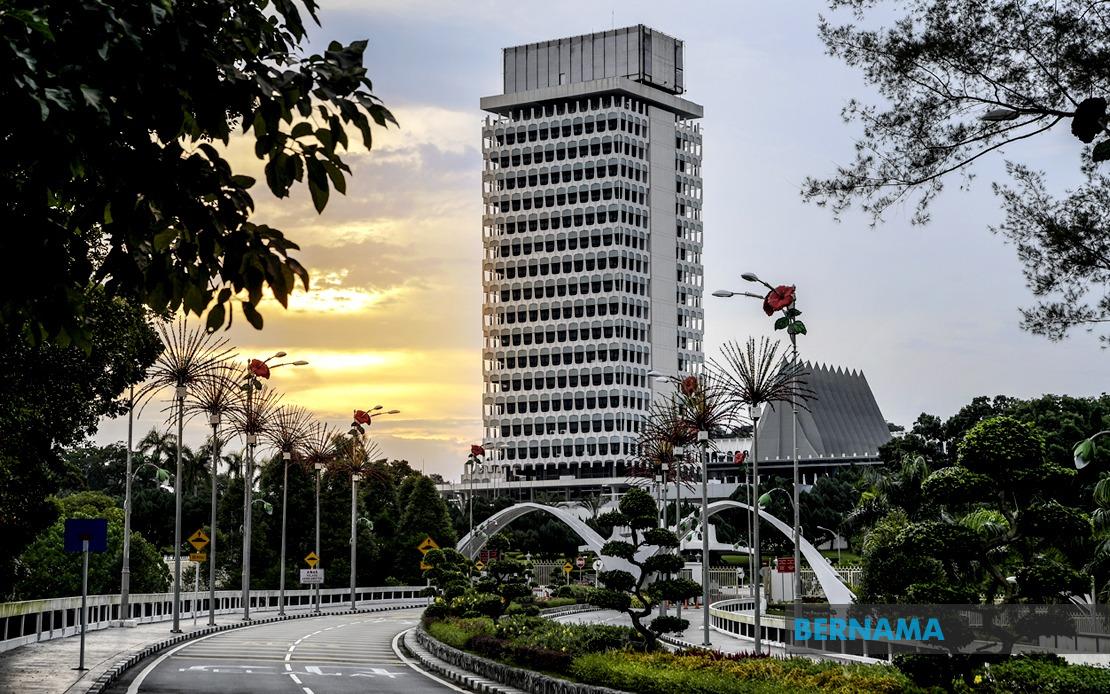
A broad coalition of Malaysian civil society groups and individual activists has made a coordinated appeal for the 15th Parliament to serve its full five-year mandate through December 18, 2027, framing the continuity as essential for advancing a substantial package of democratic reforms. The call, issued through a joint statement by 44 non-governmental organisations and 25 named individuals, represents a significant mobilisation of the reform constituency at a moment when political stability remains a topic of public discussion.
The organisations behind the statement, which include Project Stability and Accountability for Malaysia (Projek SAMA), the youth-focused Angkatan Belia Islam Malaysia (ABIM), the electoral watchdog Coalition for Clean and Fair Elections (Bersih), and the anti-corruption Centre to Combat Corruption and Cronyism (C4 Center), collectively represent diverse strands of Malaysian activism. Their alignment on this issue suggests growing recognition within civil society that institutional changes require sustained parliamentary attention and cross-party cooperation. The signatories note that Parliament should remain seated unless the government genuinely loses majority support, a condition they frame as essential to democratic legitimacy.
Central to their advocacy is a call for Prime Minister Datuk Seri Anwar Ibrahim to convene a summit of parliamentary leaders from both government and opposition coalitions to negotiate a shared reform agenda for the remainder of the term. This proposal reflects a pragmatic assessment that ambitious institutional change requires consensual politics rather than partisan advancement alone. The framing suggests that civil society sees an opportunity window that extends the current parliamentary cycle and that squandering this period through early dissolution would represent a setback for governance improvement.
The proposed constitutional amendments represent a recalibration of Malaysia's executive architecture. Separating the Attorney General role from the Public Prosecutor would distribute concentrated legal authority, addressing long-standing concerns about prosecutorial independence and political influence over criminal justice. The proposal for a ten-year presidential-style term limit on prime ministerial tenure reflects international best practice in constraining executive power and establishing orderly succession processes. These changes, while technically amendable at any time, gain political feasibility through bipartisan legislative majorities that a full parliamentary term might enable.
The proposed Ombudsman Act and Freedom of Information Act target transparency and accountability mechanisms that advanced democracies take as foundational. Malaysia's absence of a dedicated ombudsman institution represents an institutional gap compared to regional peers including Singapore and Australia. A freedom of information framework would establish citizens' statutory rights to government documents, shifting the default from secrecy to disclosure and subjecting withholding decisions to judicial review. These frameworks create ongoing pressure on political actors to justify decisions publicly and transparently.
Electoral system improvements featured prominently in the reform package, indicating civil society conviction that Malaysia's first-past-the-post system produces governance deficits. The proposal for postal and absentee voting expansion addresses the practical reality that overseas Malaysians and interstate workers face barriers to electoral participation. More substantively, the call for party-list proportional representation in state assemblies would increase representation of women, youth, Orang Asli communities, and ethnic minorities whose concerns are systematically marginalised under winner-take-all mechanics. This represents recognition that procedural democracy requires mechanisms ensuring substantive inclusion.
The emphasis on equitable distribution of development allocations across all assemblymen and Members of Parliament, regardless of political party, directly targets patronage politics and the weaponisation of public funds for partisan advantage. Mandating transparency and equity in these allocations would constrain ruling coalitions' ability to punish opposition-held constituencies through fiscal discrimination. Such measures face obvious political resistance from those wielding power, but their inclusion in a cross-party agenda would require opposition negotiation and compromise.
Strengthening parliamentary committees, streamlining budget processes, and enabling Private Members' Bills represent institutional reforms that enhance legislative capacity and deliberation quality. These measures would shift power from executive dominance toward parliamentary scrutiny and backbencher initiative. The call for advance public notice of dissolution dates reflects frustration with sudden election calls that prevent voters and administrators from orderly preparation, particularly affecting overseas voting arrangements and civil service continuity.
The coalition's insistence that all 13 state governments adopt similar development allocation transparency measures indicates recognition that parliamentary reform alone cannot succeed if state executives operate under different rules. This vertical coordination emphasis suggests sophistication about how institutional inconsistency can be exploited and how sustainable reform requires alignment across federalism's layers. The push for state-level proportional representation mirrors national-level arguments about inclusion and representation.
For Malaysian observers, this civil society intervention challenges a fundamental political economy question: whether Malaysia's ruling coalitions will prioritise institutional deepening or treat parliamentary continuity as instrumentally valuable only when electorally advantageous. The NGO position implicitly argues that institutional reforms benefit all future governments and political parties, creating long-term interest in rule-based systems over discretionary power. This universalist framing distinguishes the advocacy from partisan jockeying and appeals to players' interest in durable, predictable governing rules that constrain all actors equally.
The silence from government and opposition leadership on these proposals remains conspicuous. No major coalition has publicly embraced the civil society agenda or committed to cross-party negotiations on institutional reform. This reticence likely reflects political calculations that such reforms constrain executive prerogative and require compromises that parties currently view as disadvantageous. The trajectory of Malaysian politics since 2018 suggests that while occasional reform gestures occur, comprehensive institutional change faces formidable resistance from entrenched interests.
Regionally, Malaysia's governance challenges mirror broader Southeast Asian struggles with democratic consolidation, executive accountability, and institutional strength. Singapore's technocratic model and Thailand's constitutional experiments offer contrasting approaches, yet none have resolved the fundamental tension between effective governance and democratic legitimacy. Malaysia's civil society push for comprehensive institutional reform, should it gain political traction, could influence how other ASEAN democracies calibrate their governance trajectories and whether regional practice shifts toward stronger democratic institutions or continues favouring executive efficiency.
The ultimate significance of this statement depends on whether it catalyses genuine parliamentary negotiation or remains a statement of aspiration. Civil society advocacy, while important for maintaining reform constituencies and public discourse, requires political actor cooperation to translate into legislative change. The coming months will indicate whether Malaysia's political leadership perceives institutional reform as compatible with their interests or whether the current Parliament will conclude without the comprehensive governance restructuring that this coalition has outlined.

