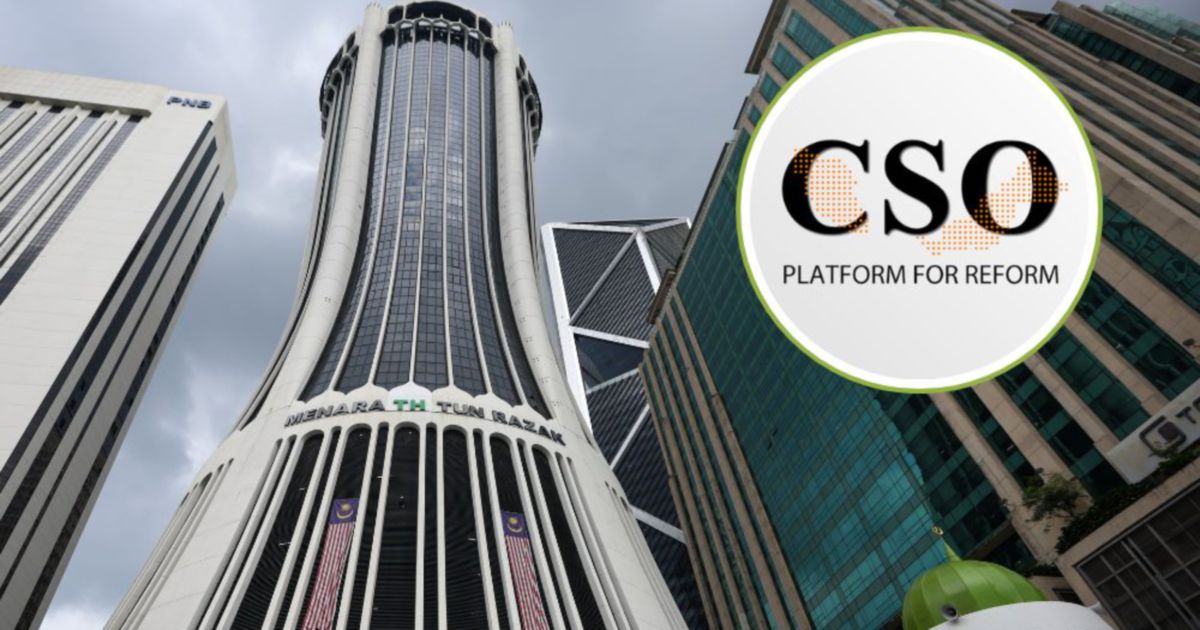
A coalition of Malaysian civil society organisations has escalated pressure on authorities to launch a thorough and impartial examination of the systemic problems that undermined Lembaga Tabung Haji (TH), the country's Islamic pilgrimage savings body, in the wake of a damaging Royal Commission of Inquiry report. The CSO Platform for Reform, representing a diverse range of advocacy groups, contends that only a genuinely independent probe can establish accountability and restore public confidence in the institution that manages savings for millions of Muslim Malaysians preparing for the hajj pilgrimage.
The call reflects growing concern that preliminary findings from the RCI have exposed serious governance lapses and institutional weaknesses at TH. Rather than viewing the RCI report as a conclusive endpoint, civil society actors argue that its revelations should trigger deeper scrutiny into how decision-making failures accumulated and which individuals bear responsibility. This distinction matters significantly: a Royal Commission provides investigative findings to government, but an independent follow-up probe could potentially lead to criminal charges or civil remedies that the RCI itself cannot deliver.
TH's recent history has been troubled. The institution has faced mounting criticism over investment losses, operational inefficiencies, and management decisions that have eroded the savings of ordinary Malaysians. Many account holders have expressed frustration over withdrawal delays, reduced dividend payouts, and limited transparency about how their funds were deployed. The RCI was established to examine these failures comprehensively, and its report apparently contains uncomfortable truths about institutional culture, oversight mechanisms, and strategic mistakes.
The emphasis on independence is crucial for Malaysian observers. Independent investigations, freed from political interference or bureaucratic constraints, can follow evidence wherever it leads without predetermined conclusions. This matters particularly in Malaysia's context, where public institutions sometimes face perceptions of being shielded from rigorous accountability. Civil society groups believe that anything less than a truly independent process risks appearing like a managed inquiry designed to protect influential figures rather than expose wrongdoing.
Transparency represents the second pillar of civil society's demand. Malaysians have invested in TH with the understanding that their money serves religious obligation while building personal savings. When institutional failures undermine those savings, affected individuals deserve detailed public explanation of what went wrong. Transparency also serves a deterrent function: if decision-makers know their actions will eventually face public scrutiny, they face stronger incentives to exercise proper governance. Conversely, closed-door inquiries breed suspicion that uncomfortable facts are being buried.
The comprehensive nature of the proposed investigation would examine not just financial losses but also governance structures, risk management frameworks, and decision-making processes. Civil society groups want to understand whether TH's leadership had adequate expertise, whether the board's composition enabled proper oversight, and whether internal audit functions operated with sufficient independence. These structural questions matter because identifying what went wrong administratively helps prevent recurrence.
The CSO Platform's intervention reflects a broader Malaysian trend toward civil society demanding stronger institutional accountability. These organisations recognise that TH's difficulties undermine public trust in Islamic financial institutions more broadly. Other Islamic banks and takaful operators watch carefully how TH is handled; if governance failures generate only soft consequences, it sends a message that accountability is optional. Conversely, a credible independent investigation demonstrates that even large, government-linked institutions face meaningful consequences for institutional failure.
For ordinary Malaysians, especially the millions with TH accounts, the civil society call addresses immediate concerns. Account holders want assurance that investigations will protect their interests and potentially recover losses where possible. They also want confidence that reforms flowing from any independent probe will genuinely address the root causes rather than applying cosmetic fixes. Recent statements from account holder groups have echoed civil society's scepticism about whether existing processes will deliver sufficient accountability.
The political dimension warrants attention as well. TH's governance involves both government oversight and management autonomy, creating potential tensions about investigation scope. Civil society groups are signalling that they will monitor whether government genuinely permits an independent process or whether political considerations constrain investigation depth. This public pressure itself becomes a mechanism for protecting investigative independence; authorities face reputational costs if they appear to be obstructing thorough scrutiny.
International best practice offers relevant models. Other countries have used special investigators or commission-style bodies with specific independence mandates to examine institutional failures. These bodies typically publish detailed reports, allow public hearings, and create mechanisms for recommending prosecutions to law enforcement authorities. Malaysian civil society is implicitly calling for something comparable rather than relegating TH's failures to purely internal government processes.
The timing of civil society's intervention also signals that the RCI report's conclusions are considered sufficiently serious to warrant sustained public attention beyond the initial media coverage. Rather than allowing the issue to fade from public consciousness, advocacy groups are maintaining pressure for follow-through action. This reflects recognition that investigative reports frequently gather dust unless public attention and organised pressure ensure implementation.
Ultimately, civil society's demand for independent, comprehensive, transparent investigation into TH's institutional failures reflects fundamental principles about governance and accountability in democratic systems. When large institutions managing public resources experience governance collapse, the burden falls on society to ensure proper investigation and meaningful reforms. Whether authorities heed this civil society call will reveal much about Malaysia's commitment to institutional accountability and public trust.

