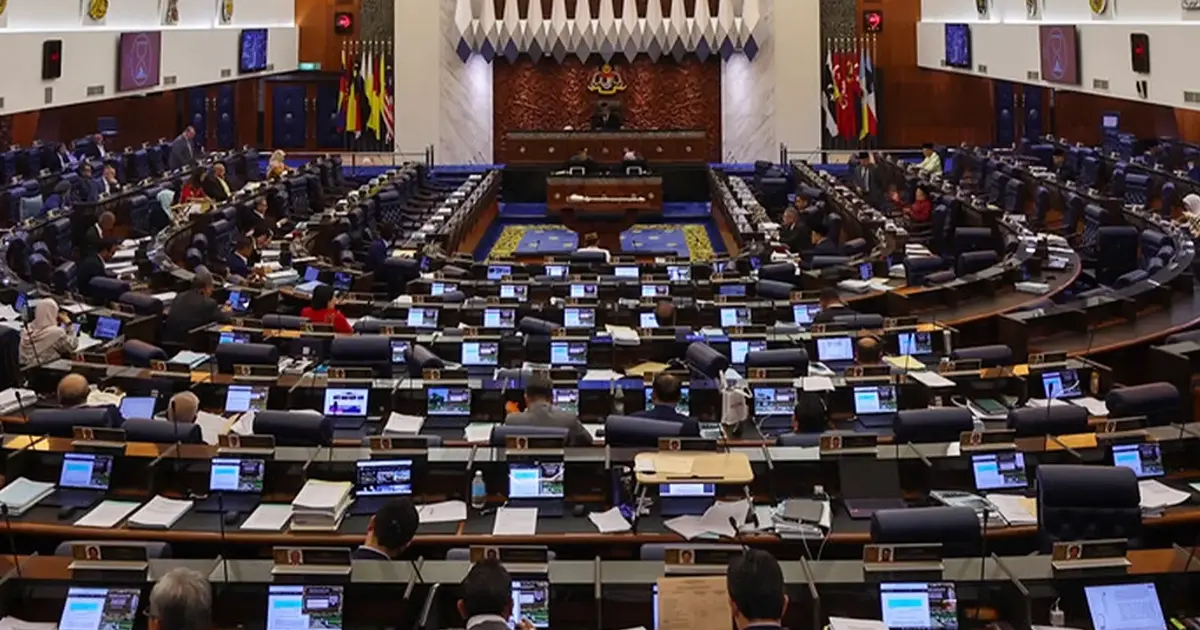
Civil society organisations across Malaysia are making an urgent appeal to the nation's political leadership to anchor the current parliamentary term through to its conclusion while simultaneously establishing a non-partisan framework for institutional reform. Rather than allowing the political calendar to be dictated by electoral calculations, these groups argue that a structured dialogue between government and opposition figures could yield meaningful constitutional and governance improvements before voters go to the polls for the sixteenth general election.
The proposal reflects growing concern among activists and reform advocates that Malaysia's political cycle has become increasingly fractious, with frequent shifts in administration and competing agendas preventing substantive work on systemic issues. By establishing a cross-party consensus on specific reforms—whether they involve electoral procedures, parliamentary processes, transparency mechanisms, or checks on executive power—the nation could demonstrate that elected representatives can transcend partisan divisions when the national interest is at stake. This approach stands in contrast to recent years, when constitutional changes or institutional overhauls have proceeded largely along government lines, often with limited input from opposition representatives.
The timing of this initiative carries particular significance given Malaysia's recent political volatility. Multiple changes in government leadership and the shifting composition of parliamentary coalitions have created an atmosphere of uncertainty around the stability of the current administration. Civil society groups argue that whether Parliament serves its full term or elections are called early, the political elite should dedicate time and effort to agreeing on a reform package that transcends any single government's tenure. This would ensure continuity of vision regardless of electoral outcomes and signal to international observers and domestic stakeholders that Malaysian politics can operate at a level above short-term maneuvering.
The concept of a cross-party reform pact would require the Prime Minister to take the initiative by convening a summit that brings together not only government ministers but also leaders from major opposition parties. Such a gathering would need to operate under agreed-upon principles of confidentiality and good faith to prevent the discussions from becoming another arena for political point-scoring. The agenda could encompass diverse areas: strengthening parliamentary oversight mechanisms, enhancing transparency in government procurement and decision-making, reforming the electoral process to address concerns about fairness and accessibility, and reviewing the balance of power between executive, legislative, and judicial branches.
For Southeast Asia's third-largest economy, institutional stability has direct consequences for foreign investment, business confidence, and Malaysia's standing within regional forums. When the political system appears volatile or dominated by short-term calculations, international investors hesitate to commit long-term capital. A demonstrated commitment to substantive cross-party reform work could shift perceptions of Malaysian governance from reactive crisis management to proactive modernisation. This has broader implications for the region, as Malaysia's approach to institutional development influences how other ASEAN members conceive of their own governance challenges.
The NGO campaign also addresses domestic concerns about the quality of parliamentary debate and legislative output. When elections loom, legislators often prioritise campaign activities over committee work or scrutiny of government policies. A concrete timeline for reform work—perhaps structured around specific legislative targets and consultative processes—could redirect parliamentary energy toward productive governance tasks. Civil society groups bring technical expertise and community perspectives that can improve the quality of reform proposals, and their involvement in a formal process would enhance public confidence in whatever arrangements emerge.
Implementing such reforms before the next general election serves practical purposes beyond symbolism. A newly elected Parliament following GE16 would have less time to implement far-reaching changes before campaigning for a subsequent election begins. By establishing reform frameworks now—while the current Parliament still has runway—constitutional amendments can be properly debated, public consultation can occur, and necessary legislative adjustments can be undertaken without the pressure of imminent electoral contests. This sequencing acknowledges the reality that genuine institutional reform requires space and deliberation rather than rushed procedures.
The proposal also implicitly addresses concerns about minority representation and voice in policy-making. Opposition parties, civil society groups, and various stakeholder communities have frequently complained about their limited influence on major policy directions. A structured cross-party summit signals that reform outcomes would reflect broader consensus rather than majoritarian preferences. This inclusive approach to institution-building tends to produce more durable arrangements, as stakeholders who have participated in their design are more likely to respect and maintain them over time.
From a Southeast Asian perspective, Malaysia's ability to forge cross-party consensus on governance matters would distinguish it within a region where many countries struggle with similar challenges around institutional strength and political predictability. Thailand, Indonesia, and the Philippines have all grappled with questions about constitutional design, electoral integrity, and executive-legislative relations. Malaysia's experience with bipartisan reform could offer lessons for neighbours wrestling with comparable problems, positioning the country as a model for constructive political engagement beyond partisan interest.
The implementation of such a pact would require significant political courage from all participants. Government leaders might worry about opposition parties gaining credit for reforms, while opposition figures might fear that participation signals acceptance of current arrangements. Yet civil society groups contend that these concerns are secondary to the imperative of strengthening Malaysian institutions for the benefit of all citizens. The call for a parliamentary term completion combined with substantive reform work reflects a maturing conception of politics: one where the long-term health of democratic institutions takes precedence over electoral advantage in any single cycle.

