A sophisticated hacking group operating under the name Cl0p has announced that it has successfully extracted large quantities of confidential data from nearly 50 multinational corporations around the world, marking another significant blow to corporate cybersecurity defences. The group published details of its claimed breach on its website, listing prominent targets such as Shell, Philips, Fiserv and General Electric among its victims. The disclosure has triggered immediate responses from affected organisations, though the full scope of the intrusion and the sensitivity of stolen information remain unclear at this stage.
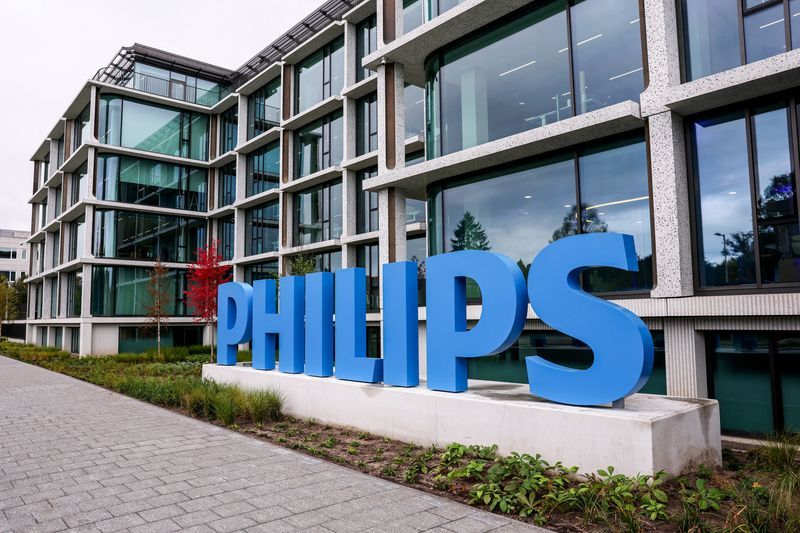
Shell confirmed on Thursday that it is investigating a potential security incident following the hacking group's public announcement, with company representatives stating that security teams and external experts have been mobilised to examine the matter thoroughly. Philips released a statement indicating that it had identified and contained what it described as an attempted compromise targeting a specific internal enterprise server, emphasising that the incident does not extend to systems serving customers or affecting customer-facing operations. The Dutch multinational's measured response suggests the breach, while serious, may have been contained before widespread damage could occur.
Fiserv, a major player in financial services and technology, moved quickly to reassure stakeholders by asserting that despite the threat actor's public claims, the company has found no evidence during its comprehensive investigation that customer information, banking data, transaction records or personal information has been compromised. The company also stated that its core operating environment remained unaffected by the alleged attack. General Electric, another industrial conglomerate named in the breach claims, has not yet responded publicly to requests for comment regarding the allegations.
The attack methodology employed by Cl0p differs markedly from typical targeted cyber operations. Rather than focusing on particular corporations and tailoring attacks specifically to their security infrastructure, the group instead identifies and exploits known software vulnerabilities affecting widely-used enterprise applications. This approach allows the hackers to cast a wider net and compromise multiple organisations simultaneously using the same attack vector. Ransom-ISAC, an industry body dedicated to information sharing on security threats, issued a warning on July 22 detailing that Cl0p had been actively exploiting weaknesses in PTC Windchill and FlexPLM, enterprise software platforms widely deployed across engineering and manufacturing sectors globally.
PTC, the Boston-based software vendor behind these products, has acknowledged the vulnerability issue through multiple security advisories posted on its website since June 18. The company has urged customers to implement available security patches and has acknowledged that unknown attackers have been actively targeting its software. However, PTC did not immediately provide additional details when contacted by news organisations regarding the specific vulnerabilities being exploited or the scale of affected users.
According to threat intelligence specialists, companies began receiving notifications from Cl0p regarding the breach starting from July 19 or July 20, suggesting a sustained campaign rather than an isolated incident. Brandon Parsons, who serves as threat intelligence manager at Ascent Solutions and authored the Ransom-ISAC advisory, characterised Cl0p as "professional data extortionists" operating with a methodical, calculated approach. Rather than pursuing opportunistic attacks, the group deliberately hunts for zero-day vulnerabilities—previously unknown security flaws for which software vendors have not yet released patches—and systematically pursues them across the software's entire user base.
This targeting strategy has significant implications for organisations across Asia-Pacific, including Malaysia. Industrial and manufacturing firms, engineering companies, and enterprises in the energy sector face particular exposure, as they frequently depend on precisely the types of enterprise software that Cl0p has been exploiting. The vulnerability in PTC's engineering software is especially concerning for companies engaged in automotive manufacturing, aerospace components, and heavy industrial production—sectors with substantial operations throughout the region.
The incident underscores a critical challenge facing modern enterprise security: the lag between vulnerability discovery and patch deployment. Even after vendors release security updates, many organisations face significant delays in implementing these patches across their entire infrastructure. This window of vulnerability can persist for weeks or months, providing sophisticated attackers with an extended opportunity to compromise systems. For Malaysian and regional businesses, this reality emphasises the importance of maintaining robust vulnerability assessment programmes and establishing rapid patch deployment protocols.
The breach also highlights the vulnerability of widely-adopted software platforms to regional threats. When a single software suite is deployed across dozens of major corporations globally, a successful exploit against that platform can yield exponential returns for threat actors. Companies using PTC Windchill and FlexPLM across the region should prioritise verifying that security patches have been applied and consider engaging external security firms to assess whether their systems have been compromised.
While Cl0p has publicised its claimed access to data from nearly 50 companies, independent verification of these claims remains impossible. Security researchers and journalists cannot independently confirm the types of data stolen, the sensitivity of that information, or the technical validity of the group's breach claims. The hacking group has not responded to requests for comment or evidence of its access, following a typical pattern of threat actors who prefer to communicate through deliberate disclosure channels rather than engaging with media organisations directly.
The incident also raises questions about information sharing within the cybersecurity community and whether existing frameworks like Ransom-ISAC are sufficiently robust to enable rapid, coordinated responses to emerging threats. The July 22 warning, while valuable, came after the attacks had already begun. Accelerating the timeline for vulnerability disclosure, threat actor identification, and industry notification could significantly reduce the window during which attackers can exploit known security flaws.
For Malaysian businesses and governmental agencies, this breach serves as a reminder that cybersecurity cannot be treated as a static challenge with one-time solutions. Continuous monitoring, regular security assessments, and rapid incident response capabilities have become fundamental requirements for any organisation handling sensitive commercial or operational data. Companies should review their current patching practices, vulnerability management procedures, and incident response plans to ensure they can respond effectively to similar attacks.

