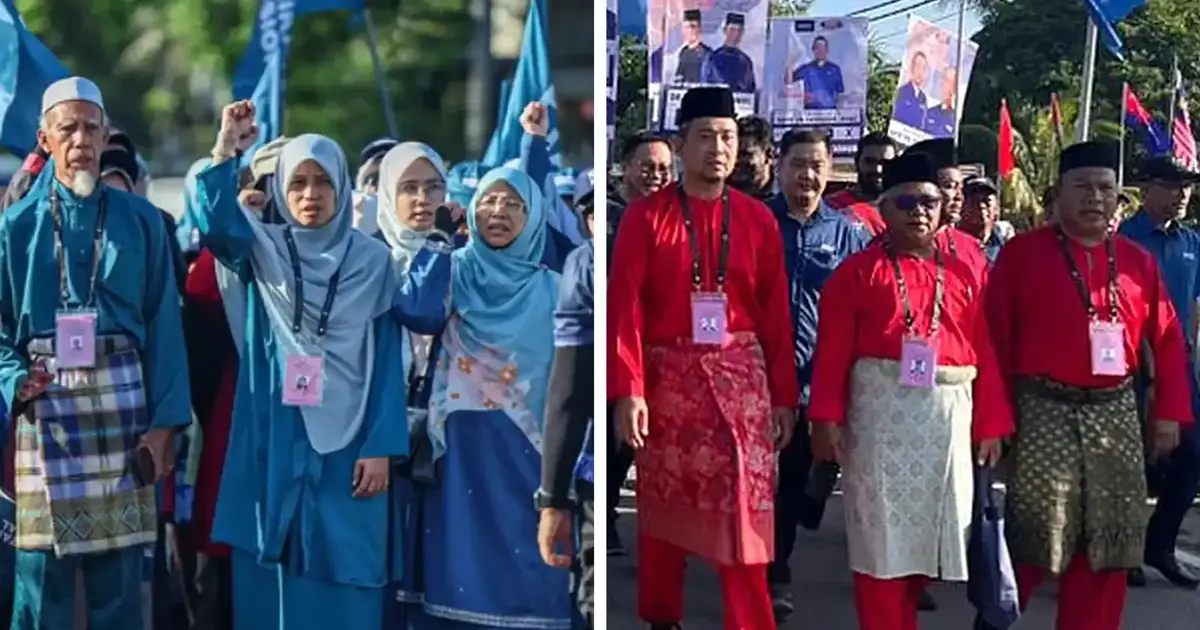
The prospect of a fractured Perikatan Nasional mounting separate campaign efforts in the Johor state election presents a significant strategic liability for both PAS and Bersatu, according to political observers tracking coalition dynamics in the peninsula's southern state. A divided opposition front risks sending confusing signals to an electorate already navigating complex multi-party politics, potentially dampening enthusiasm among voters who expect unified messaging from coalition partners.
The tension between the two parties reflects broader ideological and organisational differences that have simmered beneath the surface of their political alliance. PAS, rooted in Islamic party traditions and maintaining strong grassroots networks across rural constituencies, operates with a distinct organisational philosophy from Bersatu, which presents itself as a reformist Malay-majority party with centrist leanings. When these two entities diverge in campaign strategy or messaging, the disconnect becomes visible to ordinary voters who struggle to understand why their preferred coalition partners are not speaking with one voice.
Johor represents particularly contested political terrain where such fragmentation carries tangible consequences. The state has historically served as a bellwether for national political sentiment, and its diverse demographics—spanning urban centres like Johor Bahru, industrial zones, and rural agricultural communities—require carefully calibrated campaign approaches. A splintered opposition struggle to address the specific concerns of these varied constituencies simultaneously when running parallel campaigns with potentially contradictory priorities.
Voter confidence deteriorates when political parties fail to demonstrate basic unity around core campaign themes. Analysts note that Malaysian electorates have grown increasingly sophisticated in detecting signs of internal coalition strain, viewing disunity as evidence of weak leadership or irreconcilable differences on fundamental policy matters. This perception becomes particularly damaging when voters perceive that parties are prioritising internal disputes over addressing bread-and-butter issues like employment, cost of living, and service delivery that directly affect households.
The mechanics of separate campaign operations also create practical difficulties. Different messaging strategies, inconsistent policy positions, and competing resource allocations between PAS and Bersatu inevitably confuse party machinery at the ground level. Volunteers, coordinators, and local representatives uncertain about unified talking points become less effective persuaders. This inefficiency translates directly into reduced campaign momentum compared to a cohesive electoral machine operating under agreed strategic directives.
Historical precedent from Malaysian political contests demonstrates that fragmented coalitions consistently underperform compared to unified groupings. When voters encounter mixed signals from ostensible allies, they often interpret such fragmentation as weakness or internal rot, prompting defection to competitors perceived as more stable or organised. This psychology becomes especially pronounced when voters face genuine choices between alternative coalitions, each seeking to project competence and coherence.
The timing of any Johor election intensifies these concerns. Electoral calendars create compressed timelines where campaign momentum matters enormously, and coalition ruptures occurring weeks before polling day severely constrain the ability to rebuild voter trust or repair damaged messaging. The state election context, compared to federal parliamentary contests, often hinges on more localised concerns where voters expect state-level coalition partners to demonstrate particular unity around state-specific development priorities and resource allocation.
Beyond immediate electoral implications, sustained PAS-Bersatu tension signals deeper structural vulnerabilities within Perikatan Nasional's broader positioning. The coalition aspires to present itself as a viable alternative government capable of managing national affairs, yet internal discord at the state level undermines claims to cohesive governance. Voters naturally question whether a coalition unable to maintain united campaign efforts could effectively govern as a unified cabinet or party machinery.
Political analysts emphasise that coalition coherence transcends mere electoral arithmetic. Malaysian voters increasingly evaluate parties based on demonstrated institutional capacity and organisational discipline. A coalition appearing internally fractious immediately becomes vulnerable to opposition characterisation as unstable or lacking professional governance standards. Such reputational damage proves difficult to remedy, persisting beyond individual election cycles and shaping voter perceptions during subsequent contests.
The challenge facing PAS and Bersatu involves reconciling distinct organisational identities and policy emphasis while maintaining sufficient unity to compete effectively. This balancing act requires sophisticated political management, transparent communication frameworks, and agreement on core campaign priorities. Without deliberate efforts toward coalition cohesion, the two parties risk allowing internal tensions to corrode voter confidence precisely when unified messaging becomes critical for electoral success.

