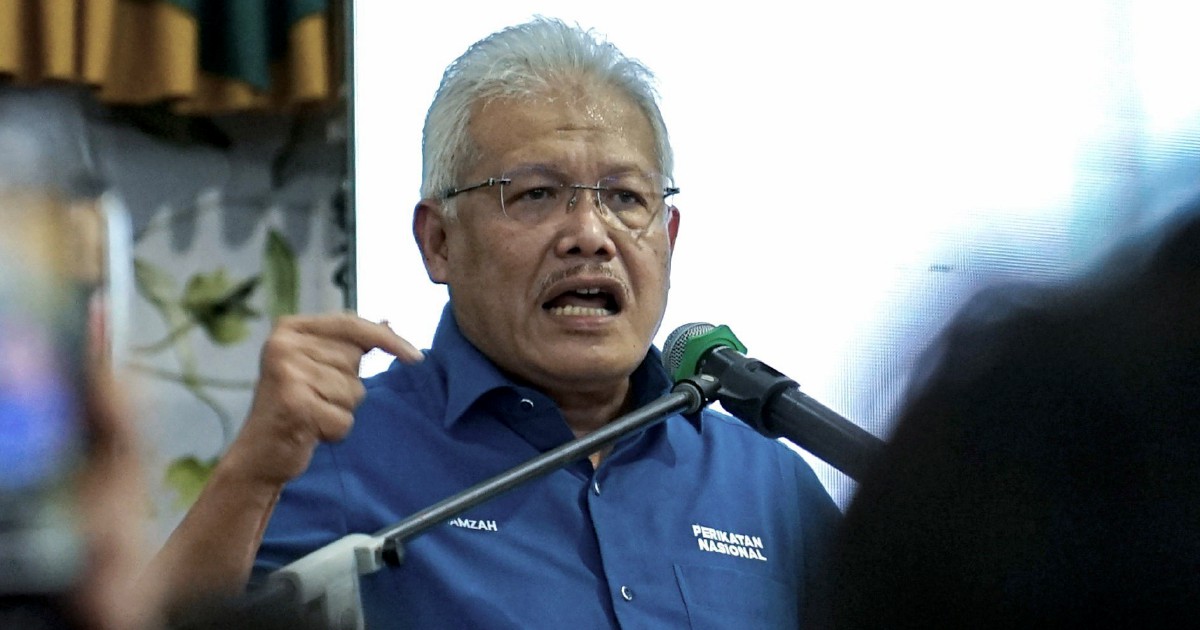
The political coalition between Perikatan Nasional and Barisan Nasional has taken a symbolic step towards unified branding by introducing the acronym 'PBN' to represent their joint candidacy in the forthcoming Negri Sembilan state election. The term, which blends the initials of both coalitions, reflects an attempt to present a cohesive political front to voters in the central Malaysian state rather than competing as separate entities.
This rebrand carries substantial implications for Malaysia's evolving political landscape, particularly in how traditional rivals present themselves to the electorate. The creation of 'PBN' demonstrates a strategic shift towards consolidation at the state level, where individual coalitions have historically maintained distinct organisational structures and campaign machinery. The adoption of a unified label suggests the two major coalitions view Negri Sembilan as a critical battleground where maximising their combined electoral strength takes precedence over maintaining separate political identities.
The PN-BN alliance has undergone significant transformation since their initial cooperation agreements at the federal level. What began as a pragmatic arrangement to avoid vote-splitting has gradually evolved into more formal structural integration. The Negri Sembilan contest represents one of the clearest expressions of this deepening partnership, with both organisations committing to present candidates under the new nomenclature throughout the campaign period.
For Malaysian voters, the 'PBN' branding represents a departure from traditional electoral practices where separate coalitions maintained distinct symbols and campaign narratives. This consolidated approach could simplify voter choice, particularly in constituencies where both PN and BN fielded candidates previously, though it may also dilute the distinct ideological positions that historically differentiated the coalitions. The merger of identities raises questions about how far political convergence between these groups will ultimately extend.
Negri Sembilan occupies a strategically important position within Malaysia's political geography. The state has demonstrated susceptibility to electoral swings, shifting between different ruling coalitions across successive polls. The 2018 general election marked significant upheaval in the state's political dynamics, and subsequent developments have kept local politics in considerable flux. Against this backdrop of volatility, the PN-BN alliance likely calculated that presenting a unified front would provide greater stability and electoral competitiveness than separate campaigns.
The practical implementation of the 'PBN' label across Negri Sembilan will test the depth of cooperation between these coalitions. Campaign materials, candidate selection processes, and local party machinery will all need coordination to ensure consistent messaging. This level of integration requires resolving numerous operational questions, including how candidate seats are distributed between PN and BN parties, how campaign resources are shared, and which party leaders assume prominent positions in the joint campaign structure.
Historically, such alliances have generated internal tensions as parties negotiate for advantageous positioning and candidate distribution. The balance between PN's more assertive growth trajectory and BN's traditional dominance requires careful calibration to prevent friction that could undermine campaign effectiveness. Negri Sembilan voters will likely observe closely whether the 'PBN' coalition can maintain genuine unity or whether underlying competitive tensions between constituent parties emerge during the campaign.
The broader context of Malaysian coalition politics suggests that such rebranding exercises serve multiple purposes beyond simple administrative convenience. The 'PBN' label functions as a signal to voters about the depth of PN-BN cooperation, potentially swaying undecided voters who prefer supporting established political formations over fragmented alternatives. The unified branding may also strengthen the coalition's negotiating position in post-election government formation, demonstrating to potential partners and the electorate that the combined grouping commands substantial legitimacy.
This development carries implications extending beyond Negri Sembilan's borders. If the 'PBN' experiment proves electorally successful, other states where PN and BN maintain electoral understanding may adopt similar branding strategies. Such standardisation across multiple state elections would represent a qualitative shift in how Malaysia's major political coalitions operate, moving from ad-hoc cooperation arrangements to more institutionalised joint identity structures.
The introduction of 'PBN' also reflects broader international trends where political coalitions increasingly converge around unified brands to navigate fragmented voter preferences. In Malaysia's context, where ethnic and religious considerations continue shaping electoral behaviour, presenting a consolidated coalition identity may facilitate cross-community voting by providing clearer political choice architecture. The strategy acknowledges that Malaysian voters increasingly make decisions based on coalition-level performance rather than individual party affiliation.
Observers will need to monitor how effectively PN and BN sustain the 'PBN' branding throughout the Negri Sembilan campaign without allowing internal disagreements to surface publicly. The coalition's capacity to maintain disciplined messaging while accommodating the legitimate interests of constituent parties will significantly determine whether this experiment becomes a model for future electoral cooperation or remains a localised initiative specific to the Negri Sembilan contest. The outcome will provide valuable lessons about the sustainability of PN-BN cooperation at the state level.

