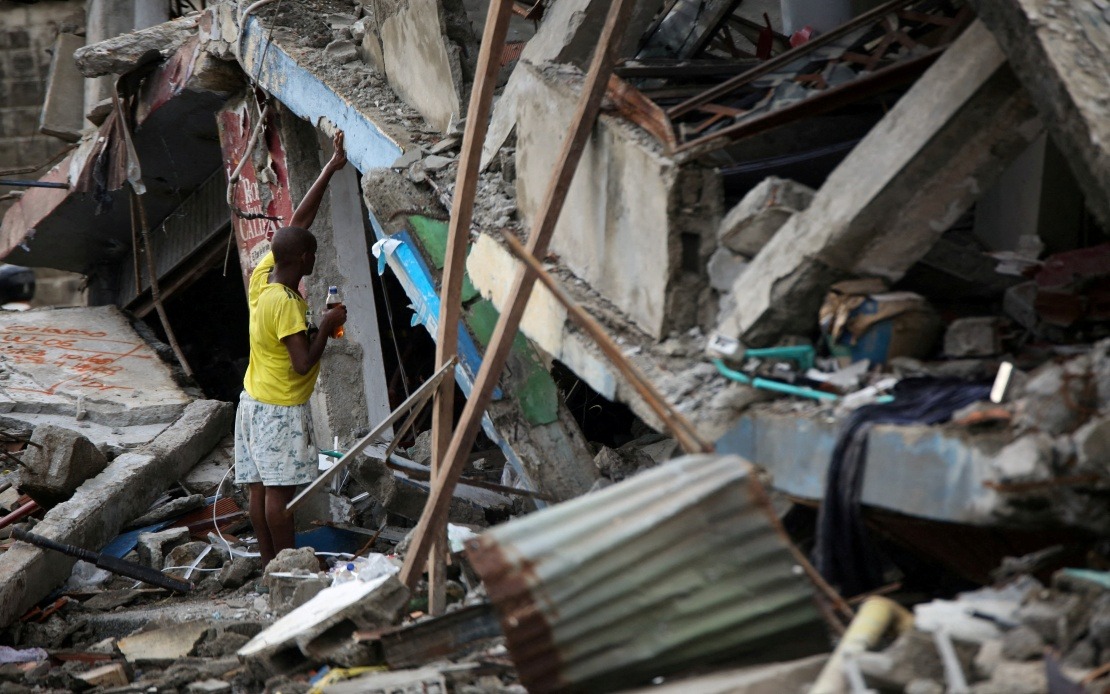
Colombia is grappling with a compounding natural disaster crisis that threatens to overwhelm its emergency response infrastructure just as the nation works to recover from a devastating 7.4 magnitude earthquake that struck on August 10. With 344 municipalities now placed under red alert status due to rapidly spreading wildfires, emergency agencies are confronting what may be their most taxing operational challenge in recent memory, forcing difficult decisions about resource allocation across multiple disaster zones.
The wildfire alert represents a staggering 93 per cent single-day surge in threatened municipalities, according to data from the Institute of Hydrology, Meteorology and Environmental Studies (IDEAM). This explosion in fire activity reflects the convergence of extreme heat, severe drought conditions, and vegetation already stressed by seasonal patterns. The majority of active fires are concentrated in six vulnerable departments: Tolima, Cesar, Norte de Santander, Antioquia, Narino and Santander, where terrain and climate conditions have created ideal conditions for rapid fire spread across vast areas.
The scale of destruction is already substantial, with damaged vegetation, crops, and residential structures exceeding 11,000 hectares across multiple municipalities. This represents not merely environmental degradation but the potential loss of livelihoods for rural communities dependent on agricultural production and forestry. Emergency authorities have mobilised firefighters, military units, and aerial support assets in an intensive containment effort, yet officials acknowledge critical staffing shortages that limit their capacity to address simultaneous fire fronts across such dispersed geography.
The earthquake that struck less than a week earlier has left government emergency services in a severely depleted state. Official figures place the death toll at 288 people, with 4,018 injured and 12,504 homes completely destroyed. The broader impact extends to over 80,000 structures sustaining varying degrees of damage, creating extensive displacement and ongoing humanitarian needs. Recovery teams are still engaged in search and rescue operations, infrastructure assessment, and delivering basic services to affected populations in multiple regions.
One particularly acute constraint is the withdrawal of firefighting personnel from earthquake-affected regions to address the wildfire emergency. Departments like Risaralda, which itself suffered significant earthquake damage, have been forced to redeploy their emergency crews to combat fires elsewhere, a decision that reflects the stark reality of insufficient national resources to simultaneously address both crises at the scale required. This creates a troubling calculus where one emergency necessarily receives diminished attention to address another.
Projections from IDEAM add another dimension to Colombia's predicament, suggesting an 90 per cent probability that the El Niño phenomenon will persist through early 2027. If these forecasts prove accurate, Colombia faces not a temporary crisis but an extended period of intensified heat stress and drought conditions. Temperature anomalies are expected to intensify further toward the end of 2024, meaning the current wildfire situation may represent merely the opening chapter of a much longer environmental ordeal that could persist through multiple seasons.
Complicating the government's response further is heightened volcanic activity at Purace in the southern Cauca department, which demands parallel monitoring and contingency planning. This third natural hazard adds another layer of complexity to emergency management, requiring resource allocation and institutional attention even as two major crises demand maximum effort. The prospect of simultaneous volcanic, seismic, and fire-related emergencies represents an scenario few disaster management systems are prepared to handle effectively.
For Southeast Asian observers, Colombia's situation offers cautionary lessons about climate vulnerability and disaster preparedness. The region shares similar exposure to extreme weather, seismic activity, and climate-related hazards, yet like Colombia, many Southeast Asian nations operate with emergency response capacities that may be insufficient for compounding disasters. The speed with which the wildfire threat escalated, and the inability of response systems to absorb this additional shock while simultaneously managing earthquake recovery, underscores how natural disasters can overwhelm even moderately well-resourced emergency management infrastructure.
The underlying climate pattern driving the wildfire surge—persistent El Niño conditions creating extended drought—resembles meteorological patterns that regularly affect the Indian Ocean region and Southeast Asia. Malaysia, Indonesia, and other countries in the region have experienced their own episodes of severe fire activity during El Niño years, suggesting that Colombia's current experience may foreshadow challenges that could affect Southeast Asian nations if similar climatic patterns materialise in coming months.
The intersection of earthquake recovery and wildfire emergency also highlights how climate change is reshaping disaster risk profiles globally. Nations can no longer plan emergency response based on historical patterns of single, isolated natural hazards occurring sequentially. The Colombian experience demonstrates that multiple major disasters can occur in rapid succession, creating compounding demands on finite resources and personnel. This reality has profound implications for national budgeting, training, and international cooperation frameworks for disaster response.
Colombian authorities face immediate pressure to secure additional external resources, whether through international humanitarian channels or bilateral agreements with neighbouring nations. The sheer scale of the dual emergency may exceed the government's capacity to respond effectively without substantial external support. For Colombia's neighbours in South America and further afield, the unfolding situation underscores the importance of maintaining robust disaster assistance agreements and cross-border cooperation protocols that enable rapid deployment of resources during exceptional circumstances.

