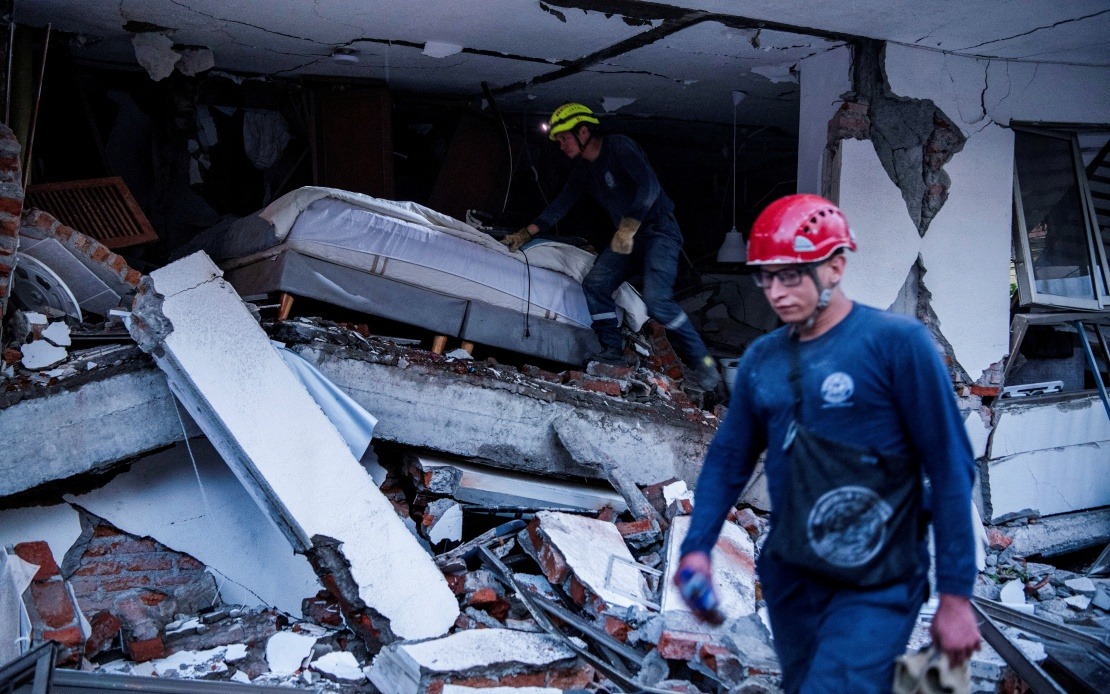
Colombia is reeling from one of its most destructive natural disasters in recent years following a powerful magnitude 7.4 earthquake that struck the western part of the country on Monday morning, killing at least 132 people and leaving more than 570 injured. The Colombian government released these figures in its latest assessment of the damage, signalling that the full scope of the catastrophe continues to emerge as rescue operations intensify across the affected zones.
The tremor, which struck at 7.34 am local time, had its epicentre located near San Jose del Palmar in the department of Choco at a depth of 96 kilometres, according to the Colombian Geological Service. The significant depth explains the wide geographic reach of the damage, with at least 32 municipalities across the nation experiencing serious impacts from the violent shaking. The geographical distribution of casualties underscores how the seismic energy dissipated across multiple population centres rather than concentrating devastation in a single area.
Pereira emerged as the city suffering the heaviest human toll, with 60 confirmed deaths attributed to the earthquake's effects on infrastructure and buildings. The capital of Risaralda department, situated in Colombia's coffee region, bore the brunt of the disaster. Cali, the nation's third-largest city and a major commercial hub, reported 15 fatalities, while the port city of Quibdo in Choco registered eight deaths. Manizales, another significant urban centre, confirmed four deaths, with dozens of other municipalities recording casualties that collectively swelled the national total.
The physical destruction extends far beyond the human cost. Preliminary assessments documented 86 structural collapses across the disaster zone, ranging from residential buildings housing families to commercial and industrial structures. The destruction of building stock represents both an immediate humanitarian crisis and a longer-term economic challenge for affected communities, many of which will require significant reconstruction investment. The architectural damage also hampers search and rescue operations, as collapsed structures create hazardous environments for emergency workers attempting to locate and extract survivors from rubble.
Infrastructure damage has also crippled regional connectivity, with seven airports suspending operations due to quake-related destruction and safety concerns. The closure of these facilities disrupts not only emergency aid delivery and medical evacuation but also international trade flows for a nation heavily dependent on air connectivity to move goods and people. The airport shutdowns compound the logistical challenges rescue coordinators face when trying to mobilize resources to remote or previously difficult-to-reach communities in Colombia's mountainous western regions.
Responding to the scale of the disaster, Colombian President Abelardo de la Espriella formally declared a state of national disaster, unlocking emergency powers and budgetary allocations to address immediate humanitarian needs and initiate recovery operations. This declaration represents the government's acknowledgement that the earthquake's impact surpasses the capacity of local and regional authorities alone, necessitating coordinated national response mechanisms. The declaration typically triggers the mobilization of military personnel, emergency medical services, and the release of disaster funds.
Five departmental capitals have been designated as operating under red alert status, indicating the highest level of emergency preparedness. These cities—Pereira, Cali, Quibdo, Manizales and Armenia—are hubs for their respective regions and serve as coordination centres for relief distribution and emergency services. The concentration of crisis management in these urban centres reflects both the severity of local damage and the role these cities play in providing services to surrounding rural and smaller urban populations.
International responses have begun to materialize, with diplomatic missions mobilizing to assess impacts on their nationals. The Chinese Embassy in Colombia activated emergency response protocols immediately following the earthquake, prioritizing verification of the safety status of Chinese citizens throughout the country. As of the latest government updates, no casualties among Chinese nationals had been reported, though embassy officials continued verification efforts given the scale of the disaster and the number of Chinese nationals residing and working across Colombia.
The earthquake arrives at a significant moment for Colombia, which sits along the Pacific Ring of Fire and has experienced devastating seismic activity throughout its recorded history. Seismic experts note that while magnitude 7.4 earthquakes represent major events, the relatively deep focus of this particular tremor—96 kilometres—may have actually limited surface rupture and some secondary hazards such as landslides. However, the depth did not prevent widespread structural damage to buildings in cities that had not been constructed to withstand forces of this magnitude.
For Malaysian and Southeast Asian observers, the Colombian disaster underscores the ongoing vulnerability of Pacific-adjacent nations to major seismic events and the importance of earthquake preparedness infrastructure. The region shares geological similarities with parts of Southeast Asia, particularly the Philippines and Indonesia, making the Colombian experience relevant for regional disaster management planning. The infrastructure damage and economic disruption resulting from Colombia's earthquake provides sobering lessons about the necessity of rigorous building codes, regular infrastructure inspections, and coordinated emergency response systems.
Recovery from disasters of this magnitude typically requires months or years of sustained effort and investment. Colombia's government faces the immediate challenge of conducting comprehensive rescue operations while simultaneously stabilizing affected communities, providing temporary shelter and medical care, and beginning the long process of rebuilding critical infrastructure. The international community, including regional neighbours and organizations, will likely offer technical assistance and humanitarian aid as the situation develops.
As rescue teams continue working through affected areas, the death toll may shift as confirmed fatalities are verified and missing persons are accounted for. The injured requiring ongoing medical attention will strain regional hospital systems, potentially requiring patient transfers to less-affected facilities. Colombia's resilience and the coordination of its response mechanisms will be tested in coming weeks as the nation confronts both the immediate aftermath and the longer-term reconstruction challenges posed by this major natural disaster.

