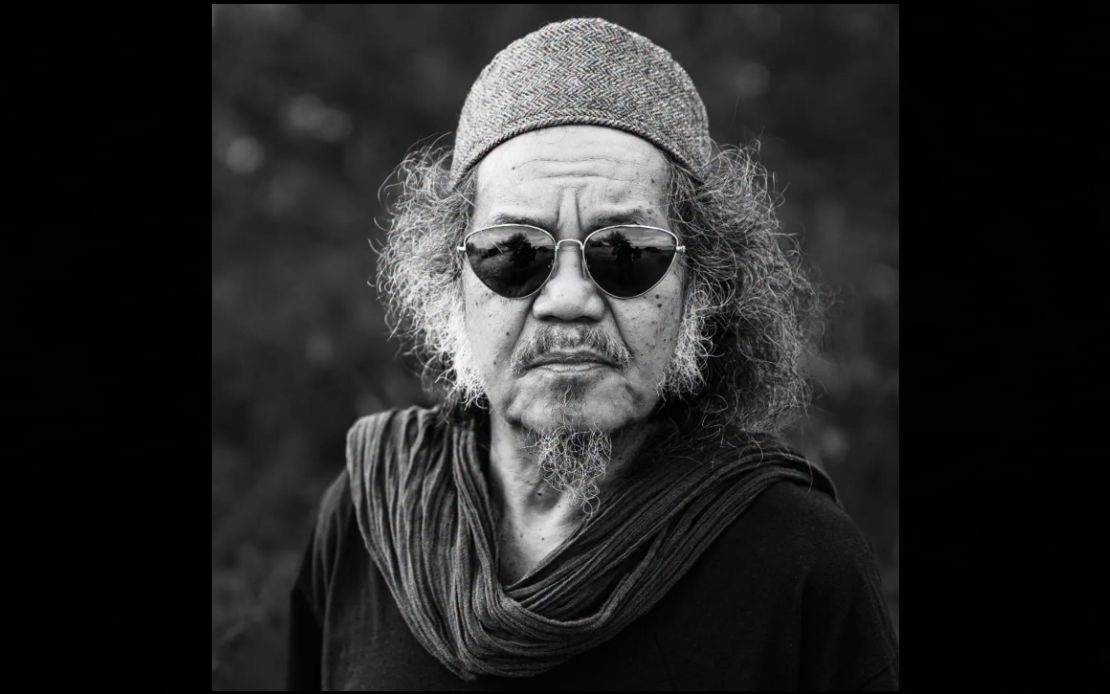
Datuk Seri Fahmi Fadzil, Malaysia's Communications Minister, has expressed heartfelt condolences following the death of legendary actor Kamarool Yusoff, widely recognised by his stage name Cik Man. The veteran performer, whose contributions to Malaysian cinema spanned decades, passed away on the evening of August 5.
Kamarool's legacy within the Malaysian film industry remains particularly vivid for audiences who experienced the golden era of Malay cinema during the 1980s. His most celebrated performance came through his portrayal of Farouk, the ruthless leader of the "Gagak Hitam" gang, in the 1986 classic film that became a defining moment in Malaysian popular culture. This role cemented his status as a skilled character actor capable of bringing depth and menace to complex villainous characters, demonstrating range that extended far beyond typical supporting roles.
In his Facebook tribute, Fahmi acknowledged Kamarool's standing not merely as an entertainer but as a cultural figure whose work resonated across generations. The minister emphasised that the late actor commanded respect throughout the entertainment fraternity, reflecting his professionalism and artistic integrity during a career that witnessed the transformation of Malaysian cinema from its earlier productions to increasingly sophisticated filmmaking. Fahmi's public acknowledgment underscores the significance the government places on recognising contributions to national arts and cultural heritage.
The minister's statement highlighted how Kamarool's body of work created enduring memories for Malaysian audiences, particularly those who frequented cinemas during an era before streaming services and digital entertainment reshaped viewing habits. For many Malaysians who grew up in that period, his performances became touchstones of nostalgic reference, connecting viewers to their own formative years through the medium of film. This cultural resonance demonstrates how individual artists can become interwoven with collective national memory.
Fahmi credited Kamarool specifically for enriching Malaysia's arts scene, using language that positions the actor's contribution within a broader national narrative of cultural development. By invoking the notion of service, Fahmi framed the actor's career not as mere entertainment commerce but as a form of cultural stewardship. This framing reflects growing recognition within Malaysia's political leadership that artists and performers function as cultural ambassadors whose work transcends entertainment to touch upon questions of identity, heritage, and national pride.
The minister also offered Islamic prayers for the deceased, requesting divine forgiveness for any shortcomings and mercy for Kamarool's soul. This spiritual dimension of the tribute reflects the predominantly Muslim context within which Malaysian public life operates, and provides a framework through which Muslim citizens process grief and honour the departed. Such expressions from senior government figures signal societal values surrounding respect for the deceased and recognition of their place within the spiritual as well as temporal order.
Kamarool's passage marks another loss within a generation of performers who built Malaysian cinema from its foundation. The 1986 film featuring his legendary performance remains studied and celebrated by film scholars and enthusiasts examining the development of Malaysian narrative cinema. His work during this period helped establish conventions for character development and dramatic intensity that subsequent Malaysian filmmakers would build upon, making him a foundational figure rather than merely a memorable supporting actor.
The death of artists like Kamarool often prompts reflection within Malaysia on the need to document and preserve cultural heritage. While film itself provides a permanent record of his performances, the loss of these veteran actors diminishes the living memory of Malaysian cinema's development, removing individuals who could provide firsthand accounts of production processes, creative decisions, and the industry's evolution during formative decades.
For contemporary Malaysian viewers unfamiliar with his work, Kamarool's passing offers opportunity to revisit films from the 1980s and explore how Malaysian cinema developed its distinctive character. Streaming platforms and digital archives have made such retrospective engagement increasingly feasible, potentially introducing new audiences to performances that defined an era. The minister's tribute serves simultaneously as acknowledgment of loss and implicit encouragement for cultural rediscovery among younger Malaysians.
The recognition extended by a serving government minister also reflects evolving attitudes within Malaysia toward arts and culture as legitimate domains of national concern worthy of high-level political attention. Rather than treating entertainment as peripheral to governance, the Communications Ministry's acknowledgment positions cultural contribution as integral to national development and social cohesion. This perspective gains particular significance in multicultural Malaysia, where shared cultural references often bridge different communities.

