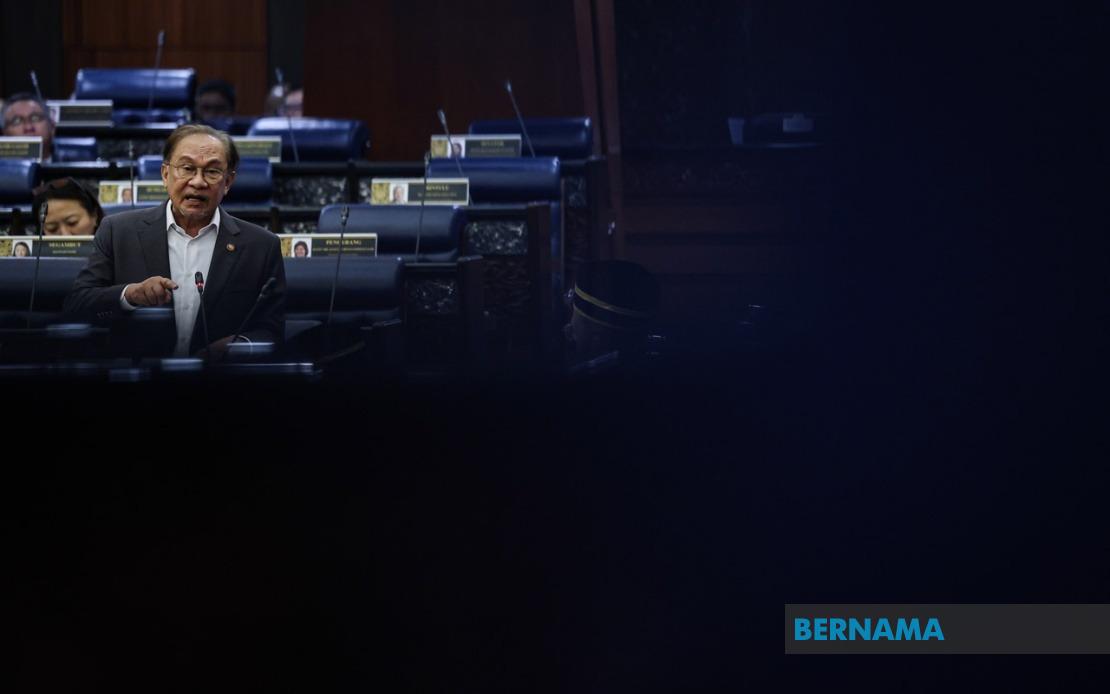
Prime Minister Datuk Seri Anwar Ibrahim has moved to shield journalists from arbitrary prosecution by implementing a new gatekeeping mechanism that channels all complaints against media practitioners through the Malaysian Media Council before authorities can initiate investigations. Speaking during parliamentary question time on July 7, Anwar outlined the framework as a safeguard against what he characterised as overzealous government departments weaponising the complaint process to intimidate critical reporting.
The Malaysian Media Council will now serve as the mandatory first point of review for any allegations involving journalists working for recognised media organisations. Rather than allowing automatic investigations to proceed following a complaint, this intermediary step introduces what Anwar described as fair, transparent, and independent scrutiny. The initiative reflects growing international concern about press freedom in jurisdictions where sedition and official secrets legislation create a chilling effect on journalism, a reality that has shaped Malaysia's media landscape for decades.
Anwar's statement came in response to a parliamentary question from Datuk Mohd Isam Mohd Isa of Tampin, which highlighted the precarious legal position of Malaysian journalists. Under existing law, media practitioners remain vulnerable to prosecution under the Sedition Act 1948 and the Official Secrets Act 1972—colonial-era statutes that critics argue function as de facto censorship tools. These laws do not explicitly restrict journalists but provide legal justification for prosecuting individuals whose reporting allegedly undermines state security or national harmony. The cumulative effect has been self-censorship among Malaysian newsrooms and hesitation in pursuing stories that scrutinise government institutions.
The Prime Minister acknowledged that no country grants absolute freedom to the press, framing the new mechanism as a balanced approach that respects both press rights and the rule of law. He explicitly rejected what he termed the "easy dragging" of journalists into legal cases simply because a government agency felt criticised, signalling a shift in executive philosophy regarding media regulation. This distinction matters considerably in Malaysian politics, where past administrations have utilised various statutes to silence or harass journalists deemed overly critical. By positioning the Media Council as a filter, Anwar positioned his government as more circumspect than predecessors in deploying legal weapons against the press.
The establishment of the Malaysian Media Council as gatekeeper addresses a longstanding complaint from international press freedom advocates. Organisations like Reporters Without Borders and the Committee to Protect Journalists have repeatedly flagged Malaysia's restrictive legal framework and documented cases where journalists faced prosecution on charges that appeared politically motivated. The new protocol theoretically prevents scenario-building where government officials lodge complaints designed to trigger investigations they hope will deter critical coverage. By requiring Media Council assessment first, frivolous or malicious complaints face institutional resistance before reaching prosecutors or courts.
However, the effectiveness of this mechanism depends entirely on the Malaysian Media Council's independence and institutional muscle. The Council, while respected in media circles, lacks statutory enforcement powers and relies on moral authority and industry consensus. Its ability to deflect investigations or shield journalists hinges on whether law enforcement agencies and prosecutors view its recommendations as binding guidance or merely advisory opinions. Historical patterns suggest Malaysian authorities often proceed with legal action despite professional body objections, particularly when cases involve perceived threats to national security or government prestige.
For Malaysian newsrooms, the announcement represents a symbolic victory even if practical protections remain uncertain. The explicit acknowledgment from the Prime Minister that journalists should not be "penalised simply because a complaint has been lodged" contradicts the implicit operating principle of previous administrations. It suggests, at minimum, a rhetorical commitment to distinguishing between legitimate media regulation and prosecutorial overreach. This rhetorical shift carries weight in a political culture where the executive's public positioning on press freedom influences bureaucratic behaviour across enforcement agencies.
The Malaysian context requires appreciation of how these protections interact with broader structural realities. Malaysia's media landscape has consolidated significantly, with several major outlets either state-linked or owned by politically connected business groups. Independent outlets operate in a competitive environment where legal harassment creates genuine operational costs. Journalists at independent publications face proportionally greater risk than those at large established newsrooms. The Media Council mechanism, while valuable, cannot fully compensate for structural imbalances in media ownership or the underlying legal vulnerabilities that statutes like the Sedition Act and Official Secrets Act create.
Regionally, Malaysia's approach to press regulation sits awkwardly between Southeast Asian practices. Singapore maintains similarly restrictive laws but enforces them more consistently and transparently. Thailand has experienced destabilising cycles of military intervention partly precipitated by unchecked press criticism. Indonesia and the Philippines maintain more permissive frameworks but struggle with journalist safety due to non-state violence. Malaysia occupies a middle ground where legal threats exist but enforcement remains selective and politically inflected. The Media Council mechanism may represent an attempt to formalise and depoliticise what has historically been discretionary decision-making.
Anwar's emphasis on legal equality—that both the Prime Minister and journalists are bound by law—reframes press freedom as a rule-of-law question rather than an exceptional privilege. This philosophical grounding matters because it moves discussion away from abstract rights rhetoric toward institutional design. The Prime Minister positioned the Media Council not as a special carve-out for journalists but as a manifestation of broader commitment to procedural fairness in law enforcement. Whether bureaucratic reality matches this characterisation will emerge through implementation as specific complaints navigate the new review process.
The announcement also reflects international pressure on Malaysia regarding press freedom metrics. Ranking organisations like Reporters Without Borders place Malaysia in the lower half of press freedom indexes globally, damaging the country's international reputation and potentially affecting foreign investment decisions in media and technology sectors. Demonstrating forward movement on journalist protections improves Malaysia's standing in global governance rankings and signals to international peers that the country takes media freedom seriously. This reputational motivation coexists with Anwar's apparent genuine belief in limiting prosecutorial discretion against the press.
Moving forward, the practical test of this framework will emerge gradually as complaints against journalists are lodged and referred to the Malaysian Media Council. The Council's recommendations, their acceptance or rejection by law enforcement, and any resulting legal outcomes will indicate whether this represents substantive institutional change or primarily symbolic repositioning. Malaysian journalists and media watchdog organisations will monitor these early cases closely, as they will establish precedent regarding whether the Prime Minister's statement translates into meaningful protection or remains largely rhetorical. The establishment of the mechanism itself constitutes progress in formalising protections that were previously absent from Malaysia's legal framework.

