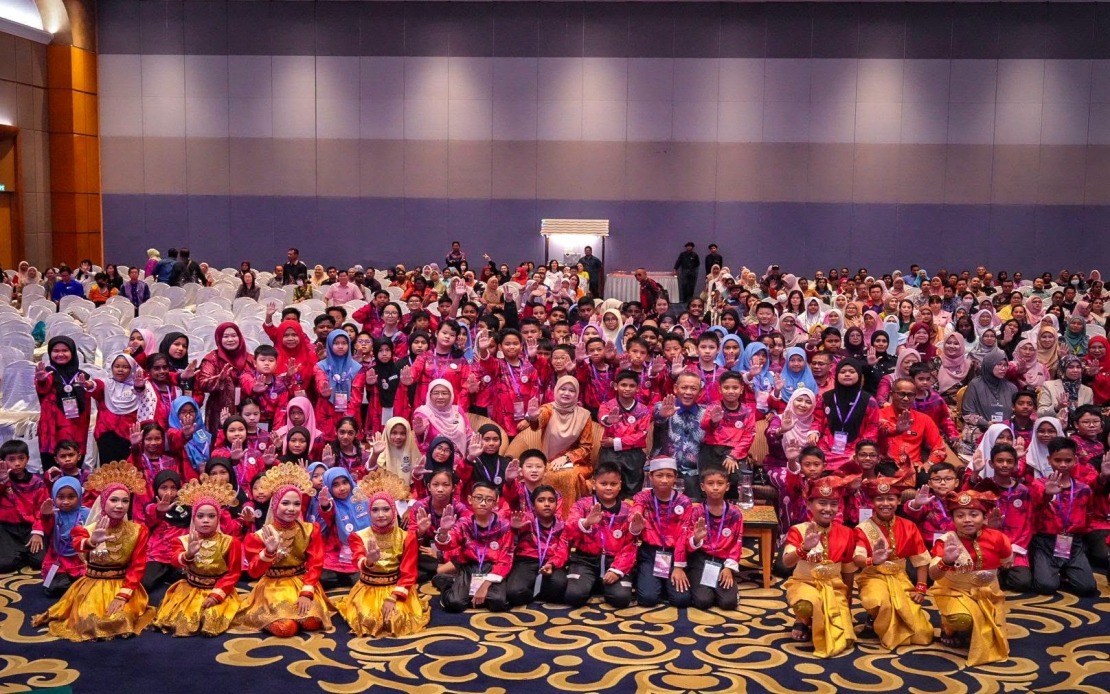
Education Minister Fadhlina Sidek has underscored the mounting complexity surrounding student safety in Malaysian schools, calling for a unified and methodical approach to establish environments where children can learn without fear or concern. Speaking at the Mutiara Diri Programme in Kuala Lumpur on July 16, Fadhlina outlined her vision for rebuilding and maintaining public confidence that every pupil receives adequate protection within their educational institution. The minister's remarks reflect growing recognition within the government that school safety transcends simple security measures and demands sustained engagement from multiple sectors of society.
At the heart of Fadhlina's message lies an unequivocal commitment to zero tolerance on issues affecting student welfare. She made clear that the Ministry of Education will not relent in its efforts to eliminate threats—whether physical or psychological in nature—that compromise the wellbeing of children under its care. This hardline stance signals a departure from reactive crisis management toward proactive safeguarding systems that identify and address risks before they escalate into serious incidents. The minister's positioning reflects the political weight now attached to school safety matters, particularly as incidents of bullying, violence, and mental health crises have featured increasingly in public discourse and media coverage.
Fadhlina stressed that established safety guidelines and child protection protocols must serve as binding frameworks across all educational facilities supervised by the Ministry of Education. Rather than treating these documents as advisory references, she insisted on full compliance and consistent implementation nationwide. This emphasis on standardization acknowledges a persistent challenge in Malaysia's decentralized education system, where variations in enforcement and resources can leave certain schools and student populations more vulnerable than others. By mandating adherence to uniform standards, the minister seeks to eliminate the postcode lottery whereby a child's safety depends heavily on which school they attend.
Recognizing that physical security represents only part of the equation, Fadhlina highlighted the equally pressing need to address mental health concerns among the student population. This acknowledgment reflects international best practice in school safety frameworks, which increasingly view psychological wellbeing as inseparable from overall student security. Malaysia's education sector has faced mounting pressure to respond to anxiety, depression, and other mental health challenges affecting young people, particularly in the post-pandemic period when isolation and disrupted routines exacerbated existing vulnerabilities. The minister's inclusion of mental health in her safety narrative signals official recognition that a truly secure school ecosystem must encompass psychological support alongside physical safeguards.
Fadhlina directly appealed to parents and educators attending the Mutiara Diri Programme, framing school safety as a collaborative enterprise requiring genuine partnership and synchronized effort from all stakeholders. Her language emphasized synergy and joint responsibility, moving away from a model where government institutions operate in isolation from communities they serve. This approach acknowledges that parents possess critical insights into their children's experiences and concerns, while educators occupy frontline positions to observe behavioral changes and intervene early. By cultivating genuine buy-in from these constituencies, the government increases the likelihood that safety protocols will be embraced rather than resisted.
The participation of Negeri Sembilan Menteri Besar Datuk Seri Aminuddin Harun at the programme underscores the cross-institutional nature of school safety efforts. State-level involvement demonstrates that the issue transcends federal education policy and requires coordination across multiple tiers of governance. Negeri Sembilan's representation suggests that regional authorities are being mobilized to support implementation of safety measures tailored to local contexts and challenges. Such multi-level engagement becomes particularly important in addressing variations in school infrastructure, student demographics, and socioeconomic factors that influence safety dynamics.
Fadhlina characterized the Mutiara Diri Programme not as routine administrative activity but as a significant advocacy initiative specifically designed to confront student safety issues head-on. This framing elevates the programme's status and signals to stakeholders that addressing school violence and insecurity constitutes a policy priority rather than a peripheral concern. The symbolic dimension of such initiatives carries weight in Malaysian governance, where the public attendance and speeches by senior officials communicate seriousness and commitment to reform. By anchoring school safety advocacy to visible programmes involving high-ranking officials, the government attempts to generate momentum for cultural and institutional change.
Underlying Fadhlina's statements is an implicit acknowledgment that Malaysian schools have faced persistent challenges to student safety, from physical altercations and bullying to psychological trauma and suicide ideation. These problems have not emerged suddenly but reflect longstanding structural issues within the education system, including overcrowding, insufficient mental health resources, inadequate training for teachers in pastoral care, and sometimes a culture that downplays or conceals incidents rather than addressing them transparently. The minister's comprehensive framing suggests an intent to move beyond incremental fixes toward systemic reform that addresses root causes.
The emphasis on creating a "safe, dignified, and prosperous" environment articulates a vision of schools as spaces where children can develop holistically rather than merely acquire academic credentials. This broader conception of educational quality aligns with international understandings of the right to education, which recognize that learning cannot occur effectively in environments characterized by fear, intimidation, or psychological distress. By explicitly linking student rights to environmental conditions, Fadhlina positions school safety as a matter of fundamental fairness rather than merely operational efficiency.
Moving forward, the challenge will lie in translating these rhetorical commitments into sustained institutional change. Implementation of safety policies depends on adequate funding for resources, training programmes for school staff, counseling and mental health services, and mechanisms for monitoring compliance across diverse school contexts. The minister's strategic framing creates expectations among parents and educators that will require follow-through with tangible investments and demonstrated results. Success will ultimately be measured not by statements of intent but by measurable improvements in student wellbeing and documented reductions in safety-related incidents across Malaysia's school system.

