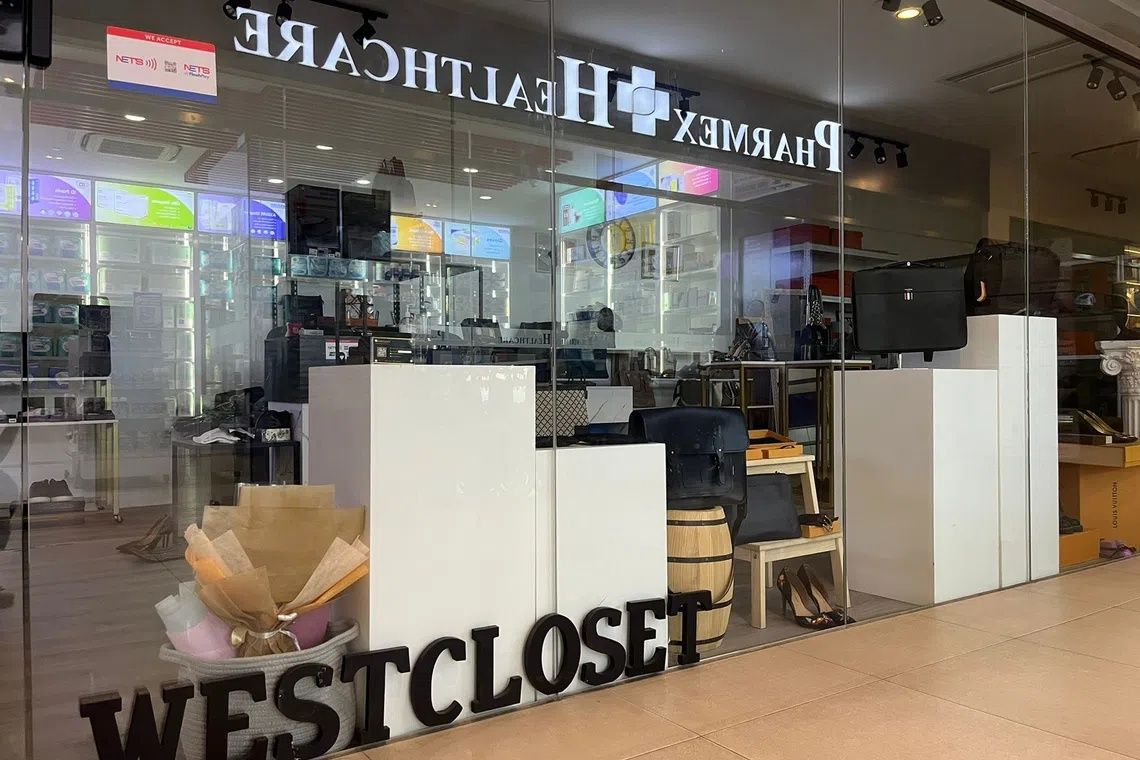
Ringga Dwi Rizky Irianto, 36, the sole proprietor of West Closet at OUE Downtown Gallery in Singapore's Shenton Way, has received an eight-month custodial sentence for systematically defrauding customers who used her consignment service to sell high-end designer bags. The Indonesian national operated what appeared to be a legitimate secondary market platform for luxury goods, but instead diverted funds belonging to five separate clients totalling nearly S$140,000. Her conviction represents a cautionary tale for the growing market of consignment retailers across Southeast Asia, where trust-based transactions have become increasingly vulnerable to misappropriation schemes.
The scheme operated through what seemed like a straightforward consignment model. West Closet advertised its services aggressively across Carousell and Instagram, platforms popular with affluent shoppers seeking to liquidate designer collections. Customers would deposit their bags at the physical storefront for a 60-day selling window, with failure to retrieve items within that timeframe triggering a S$60 penalty. The store would then facilitate the sale and extract a commission ranging from S$200 to S$900 depending on the item's value. This structure appeared transparent and professionally managed, which is precisely what made Ringga's subsequent actions particularly egregious.
The misappropriation followed a consistent pattern designed to obscure the theft. When items sold, Ringga would receive payment into her business account but would deliberately withhold funds from the rightful owners. Instead of transferring proceeds as contractually guaranteed, she rerouted the money to cover other customer orders or absorb business expenses. Court documents reveal that victims received explicit written assurances that payment would reach their personal bank accounts within seven days of sale, yet these undertakings were systematically breached. This bait-and-switch methodology allowed her to maintain operational appearances while quietly converting customer assets.
One significant case involved a victim who consigned three bags—two Hermes and one Chanel—with an agreed valuation of S$51,000. Ringga successfully sold all three items and collected the full amount, yet never credited the customer's account. Instead, she deployed the S$51,000 toward another buyer's transaction. A second victim lost S$33,500 from an Hermes bag sale, while a third victim was defrauded of S$23,500 from a similar transaction. These three cases alone accounted for S$108,000 of the total misappropriation, demonstrating that Ringga's theft was neither impulsive nor small-scale, but rather a deliberate strategy targeting the store's most valuable inventory.
The judicial response reflects the severity of criminal breach of trust in Singapore's criminal code, which permits sentences of up to seven years imprisonment for each conviction. Ringga pleaded guilty to three counts involving individual victims, with two additional charges relating to the remaining victims considered during sentencing. Her guilty plea likely influenced the eight-month term, as it demonstrated acceptance of culpability and spared the court a contested trial. However, the punishment extends beyond incarceration. She has already made S$41,000 in restitution and has been ordered to pay S$91,950 in additional compensation through an investigation officer managing her case, with an automatic 24-day extension to her sentence should she default on this obligation.
The timeline of events underscores how long such frauds can persist undetected. Ringga's offences occurred during 2022, beginning in July when the first documented theft occurred. She continued operating West Closet and processing consignments for several months thereafter before her arrest in September 2022. The gap between arrest and formal charging—not occurring until 2024—suggests that investigating financial crimes involving multiple victims requires substantial documentary evidence gathering. Her bail was set at S$15,000 upon sentencing on August 13, and she is scheduled to commence her jail term in October, allowing time for administrative arrangements and appeals processing.
This case carries particular resonance for Malaysian readers and Southeast Asian consumers who increasingly patronize online consignment platforms. The accessibility of digital marketplaces has democratized luxury goods trading, enabling individuals to monetize wardrobes and collections without traditional retail intermediaries. However, this accessibility also creates operational opacity and reduced consumer protection compared to established luxury resale houses. Platforms like Carousell operate across multiple Southeast Asian markets, and business models built on customer trust remain vulnerable when proprietors lack proper financial controls, segregated customer escrow accounts, or institutional oversight. The absence of such safeguards made West Closet particularly susceptible to internal fraud.
The incident also highlights enforcement challenges in transnational business environments. Ringga's Indonesian nationality raises questions about jurisdiction, mutual legal assistance, and enforcement of compensation orders across borders. Singapore's legal system operated efficiently in this instance, but similar cases in less developed regulatory environments might face complications in asset recovery or restitution enforcement. For consumers in Malaysia and the broader region, this case demonstrates the importance of verifying a consignment service's regulatory status, insurance coverage, and escrow arrangements before depositing valuable items. Established luxury resellers typically maintain segregated customer accounts and third-party financial oversight specifically to prevent individual proprietors from accessing client funds.
The broader implications extend to platform governance and regulatory responsibility. Carousell and Instagram, despite facilitating West Closet's initial customer acquisition, had limited visibility into the store's internal operations and financial practices. As secondary marketplaces proliferate across Southeast Asia—particularly in Malaysia, Singapore, and Indonesia—questions arise regarding platform accountability for vendor conduct. Some jurisdictions are beginning to implement mandatory vendor verification, customer dispute resolution mechanisms, and platform liability frameworks. Ringga's case may prompt policymakers to consider whether consignment businesses require licensing, bonding requirements, or mandatory escrow arrangements similar to those imposed on real estate agents or securities dealers.
For prospective customers of consignment services throughout Southeast Asia, several protective measures emerge from this case. Request detailed written contracts specifying payment timelines and methods, verify that consignment proceeds are held in segregated accounts, confirm business registration and insurance coverage, and consider using established chains with institutional reputations rather than independent proprietors. In Malaysia specifically, consignment transactions lack dedicated statutory regulation comparable to some other commercial activities, creating regulatory gaps that sophisticated operators might exploit. Consumer associations and the Consumers Association of Penang should consider advocating for clearer legal frameworks governing consignment arrangements and mandatory safeguards protecting customer funds.
Ringga's case also serves as a sobering reminder that criminal sophistication can emerge from relatively modest commercial operations. A small luxury goods consignment store operating from a shopping mall was capable of orchestrating a nearly S$140,000 fraud targeting multiple customers over several months. This suggests that consumer vigilance must remain high even when dealing with apparently legitimate brick-and-mortar businesses, particularly those handling high-value items in emerging secondary luxury markets. The eight-month sentence and compensation order may provide some measure of justice to affected victims, but the protracted investigation and prosecution timeline underscore how difficult financial crime detection can be in decentralized consignment businesses where victims report losses gradually and evidence gathering requires extensive account analysis.

