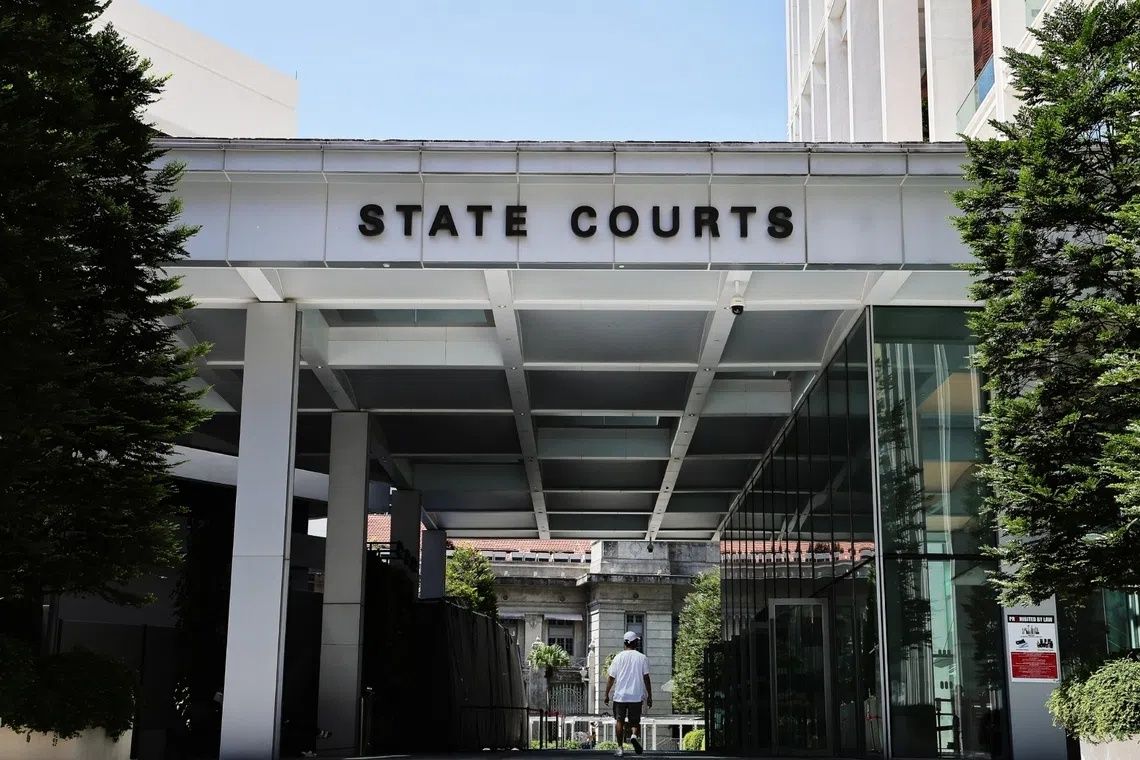
A construction entrepreneur in Singapore has received a one-year prison sentence for orchestrating a bribery scheme that compromised the integrity of contract awards at the Singapore Zoo. Lim Thiam Poh, the sole owner of Thiam Lee Tradings Construction, pleaded guilty to five corruption charges involving payments totalling at least S$59,000 out of a broader conspiracy estimated at S$127,000. The arrangement ultimately resulted in his company securing contracts valued at nearly S$2.4 million from the zoo's parent organisation.
The conspiracy unfolded between February 2014 and June 2015, involving a carefully structured kickback system. Lim agreed to pay Barry Chong Peng Wee, then a facilities management director at the zoo, commissions of up to 20 per cent of his company's profits in exchange for contract awards. Additionally, Lim channelled referral fees to Too Say Kiong, a foreman at Shin Yong Construction, which had existing relationships with the zoo's operator. This three-way arrangement essentially converted public procurement into a patronage system where contracts flowed to companies willing to pay unofficial fees rather than those offering the best value or quality.
The infrastructure of corruption operated with notable efficiency. Too approached Lim in January 2024 with the proposition, having worked for Shin Yong Construction since 1990 and maintaining deep familiarity with the zoo's contracting practices. Once Lim consented to the arrangement, Wildlife Reserves Singapore, which then operated the zoo as a subsidiary, began awarding projects directly to Thiam Lee rather than following competitive bidding processes. Lim would deliver envelopes containing the agreed commissions and fees to Too on a periodic basis, maintaining what appeared outwardly as ordinary business transactions. The payments only materialised when Thiam Lee's net profit from individual projects exceeded S$20,000, a threshold that effectively ensured Lim only paid bribes when projects were sufficiently profitable to accommodate the graft.
The implications of this corruption extended beyond individual transactions. Wildlife Reserves Singapore, now operating under the Mandai Wildlife Group banner, suffered material losses through its inability to guarantee that contract awards reflected genuine competitive advantage or financial efficiency. By structuring procurement around corrupt relationships rather than merit-based evaluation, the organisation paid inflated costs and missed opportunities to engage superior contractors. The zoo, a major tourist attraction and educational institution serving the public interest, effectively subsidised private corruption through artificially elevated contracting expenses.
The scheme involved three principals across different roles within the contracting ecosystem. Barry Chong, aged 59 and no longer employed at the zoo, received a six-year sentence in April 2025 following his conviction. Too Say Kiong, 60, was sentenced to two years and two months imprisonment in October 2023 for his role as intermediary and beneficiary. Lim's one-year sentence represents the shortest custodial term among the three, though the deputy public prosecutor emphasised that greed rather than necessity motivated his participation. Unlike individuals who might claim coercion or economic desperation, Lim proactively sought to expand his business through corrupt channels rather than competing on legitimate grounds.
The sentencing on Wednesday, August 5, concluded years of investigation and legal proceedings. Court documents reveal that all three men faced charges in 2021, suggesting a substantial gap between when authorities discovered the scheme and when judicial proceedings commenced. The timeline indicates an investigation process that required extensive documentary evidence, financial tracing, and testimony to establish the conspiracy beyond reasonable doubt. Ten additional charges similar to the five to which Lim pleaded guilty remained on the record and were considered during sentencing, reflecting the systematic nature of the bribery across multiple contract awards.
The prosecution's case articulated a compelling public interest argument regarding institutional integrity. The Deputy Public Prosecutor Hairul Hakkim highlighted that corrupt contracting practices fundamentally undermine procurement systems designed to protect public resources and ensure competitive efficiency. When organisations like Wildlife Reserves Singapore cannot confidently determine whether contract awards reflect genuine competitive merit, decision-making becomes compromised and taxpayer resources are diverted toward inefficiency. The zoo, as a state-linked entity, carries responsibility for stewardship of public assets and maintaining standards of governance befitting a cultural institution.
For Malaysian readers and Southeast Asian business communities, this case illustrates persistent vulnerabilities in procurement systems across the region. Construction and facilities management sectors remain particularly susceptible to corruption because contract values are substantial, winner selection involves subjective evaluations, and relationships between contractors and project owners can create informal influence channels. The fact that this conspiracy operated for approximately sixteen months before detection suggests that internal controls and oversight mechanisms at the zoo proved insufficient to identify irregular patterns in contracting behaviour. Similar vulnerabilities likely exist in comparable institutions throughout the region.
Lim's sentencing reflects Singapore's approach to white-collar corruption, which emphasises custodial punishment and financial consequences alongside criminal sanctions. He was released on S$75,000 bail pending commencement of his sentence on August 19, allowing time for personal and business affairs to be arranged. The severity of sentences across all three conspirators—ranging from one year to six years—demonstrates judicial determination to penalise corruption within institutional procurement contexts severely. Singapore's relatively harsh sentencing approach for graft offences contrasts with some neighbouring jurisdictions and reflects a policy framework that treats corruption as fundamentally incompatible with institutional integrity and public trust.

