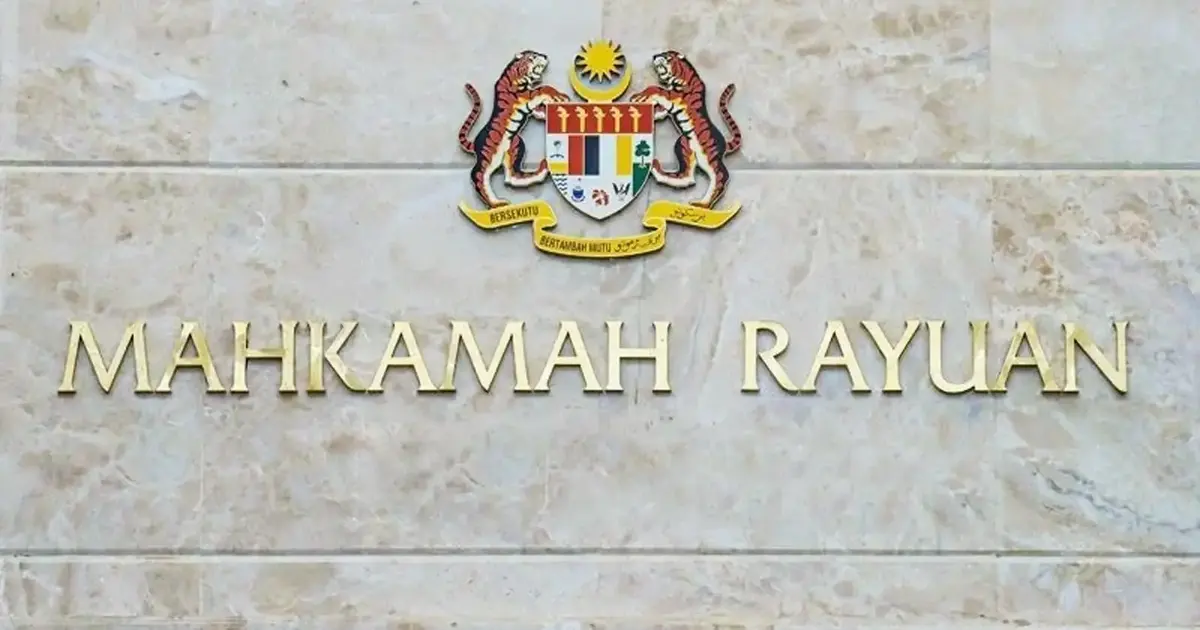
A court has turned down a former student's attempt to reinstate the education ministry as a defendant in a civil bullying claim that originated from an incident at school in 2022. The dismissal represents a significant procedural setback for the plaintiff, who had sought to hold the ministry accountable alongside her school, several teachers, and the student she identified as the person responsible for the alleged harassment.
The case underscores the complex legal terrain surrounding bullying disputes in Malaysian schools, where questions of institutional liability and governmental responsibility intersect with personal accountability. By declining to restore the ministry to the lawsuit, the court has narrowed the scope of whom the former student can pursue for damages, potentially limiting her avenues for compensation and shifting focus onto individual educators and the school administration rather than the broader educational system.
School bullying remains a persistent concern across Southeast Asia, with Malaysia grappling with documented incidents ranging from verbal harassment to physical abuse and cyberbullying. The judiciary's approach to these cases reflects ongoing tension between protecting children's welfare and establishing clear boundaries around institutional accountability. Courts must weigh the legitimate interests of injured students against the practical implications of holding governmental bodies responsible for every incident occurring within educational facilities.
The education ministry, as a department of government, typically enjoys certain legal protections and procedural requirements that private entities do not. Plaintiffs seeking to sue the state must often satisfy strict conditions and navigate additional hurdles before cases can proceed. The court's decision to exclude the ministry from this particular suit likely hinged on technical grounds, such as questions about whether the ministry's actions or omissions directly caused harm, or whether proper notice and procedural requirements were met before filing.
For Malaysian students and families confronting bullying, this ruling carries practical implications. The ability to pursue claims against the ministry at a national level might have enabled broader systemic reforms or signalled governmental accountability for school safety failures. With the ministry removed from the case, responsibility now concentrates on the school institution itself, individual educators, and the identified perpetrator. This narrower defendant pool could either simplify the litigation or make it harder to secure meaningful remedies if individual parties lack sufficient resources to compensate the victim.
The case highlights a recurring challenge in education policy across the region: how to balance individual accountability with systemic responsibility. While teachers and schools must certainly face consequences for failing to address bullying, the question of whether government agencies bear institutional responsibility remains contested. Some argue that the ministry should be accountable for establishing and enforcing anti-bullying policies, training educators, and ensuring safe environments. Others contend that schools, as autonomous institutions, must shoulder primary responsibility for their management.
Education specialists and child welfare advocates in Malaysia have long called for stronger legislative frameworks addressing school bullying. Beyond individual litigation, observers argue that the country needs comprehensive policies requiring schools to document incidents, implement preventive programs, and establish clear accountability mechanisms. The court's handling of cases like this one influences whether litigation becomes the primary avenue for addressing bullying or whether broader policy changes emerge.
The former student's persistence in seeking to reinstate the ministry as a defendant suggests her legal team believed the government entity bore responsibility for the overall safety failures that enabled the bullying. This perspective reflects a view that governmental departments cannot merely set policies from a distance while schools are left to implement them in isolation. However, the court's rejection suggests judges may be reluctant to expand the ministry's exposure to liability, particularly when more direct parties—the school, teachers, and the perpetrator—remain available as defendants.
Legal precedent in Malaysia regarding government accountability in education cases will likely influence how future disputes unfold. If courts consistently shield the ministry from bullying-related litigation, students seeking systemic changes may need to pursue reform through legislative channels or administrative complaints rather than civil courts. Conversely, if courts increasingly find ways to hold the ministry accountable, it could prompt significant policy overhauls in how schools approach student safety.
The broader implications extend beyond this individual case to questions about access to justice for vulnerable young people. Students from families lacking substantial financial resources may struggle to pursue cases against multiple private defendants if government bodies cannot be held liable. The cost and complexity of civil litigation already present barriers; narrowing the potential defendants further could disadvantage less privileged families.
Moving forward, this ruling may spur renewed calls for statutory protections specifically addressing school bullying in Malaysia. Rather than relying on tort law and civil suits to address incidents, policymakers might consider establishing no-fault compensation schemes or mandatory reporting systems that create clearer pathways for accountability. Such approaches have been adopted in various jurisdictions seeking to balance justice for victims with manageable liability for educational institutions.
The court's decision also underscores the importance of schools maintaining robust documentation and prevention systems. With the ministry removed from the case, schools face heightened exposure to direct liability, which may incentivize stronger internal measures to prevent and address bullying proactively. This unintended consequence could potentially benefit students by motivating institutional improvements at the school level.

