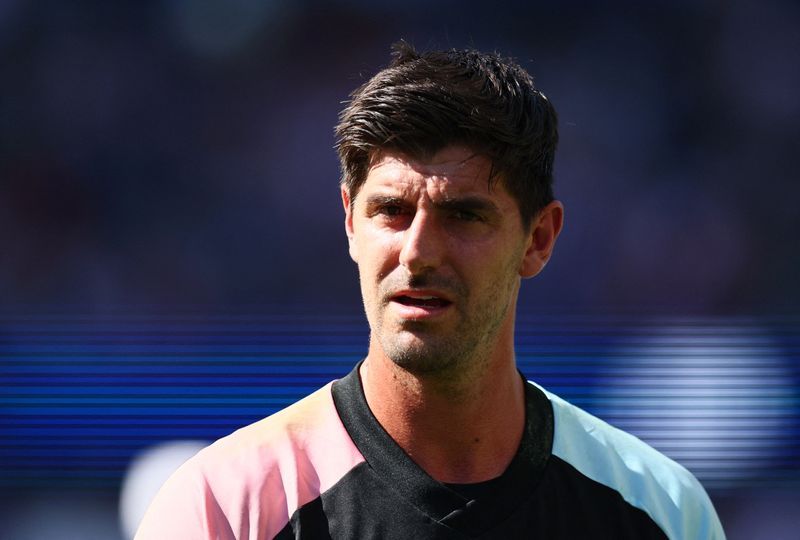
Belgium's national football team enters a new era under Mark van Bommel following the appointment of the former Dutch international as head coach, with veteran goalkeeper Thibaut Courtois throwing his weight behind the change in leadership. Courtois, speaking at a sponsorship event in Brussels, characterised Van Bommel's appointment as largely expected, given the former midfielder's name had been circulating for weeks as the leading candidate to take over the struggling Belgian outfit.
The transition comes in the wake of Belgium's disappointing World Cup campaign in Qatar, where the side's quarter-final elimination at the hands of Spain effectively sealed the fate of Rudi Garcia. The French-born coach and the Belgian Football Association agreed to part ways, bringing an end to Garcia's tenure following a tournament that drew considerable criticism for tactical decisions and team selection. Van Bommel's swift appointment reflected the federation's desire to stabilise the squad and provide continuity during a transitional period for a Belgian team that has undergone significant changes in recent years.
Courtois articulated confidence in Van Bommel's credentials, pointing specifically to the coach's pedigree as a player who competed at the game's highest echelons. This background, the 34-year-old goalkeeper suggested, would naturally resonate with the playing squad and command the respect necessary to lead a proud football nation. The appreciation for a coach who has walked in the players' shoes—who understands the pressures of international football and the demands of competing in elite competitions—remains a critical factor in team cohesion and acceptance of a new manager's vision.
Beyond his playing achievements, Van Bommel demonstrated his coaching acumen during his time with Antwerp, where he earned plaudits for his tactical innovations and man-management. Courtois noted that numerous Belgian players had spoken positively of their experiences under the Dutch tactician, suggesting a foundation of goodwill already existed even before his official appointment. This groundswell of support from within the squad itself indicates a smoother transition than might otherwise be anticipated during a managerial change at international level.
Yet uncertainty remains regarding Courtois's own immediate future in the Belgium shirt. The Real Madrid custodian, now 34, intimated that while his desire to continue representing his country remains genuine, substantial conditions must be negotiated with Van Bommel. Most significantly, Courtois seeks exemption from the upcoming Nations League matches, citing the need for physical recovery and rest following an intense club season and World Cup campaign. This represents a delicate balance between a player's individual needs and the national team's fixtures and planning.
During the World Cup quarter-final against Spain in Los Angeles on July 10, Courtois suffered an injury that forced his withdrawal from the match. Substitute goalkeeper Senne Lammens, introduced to replace him, made a critical error that directly contributed to Spain's 2-1 victory and Belgium's elimination from the tournament. Courtois has since maintained that he could have continued playing through open-play situations despite his reduced mobility for goal kicks, a point he reiterated when discussing Garcia's decision to substitute him.
The goalkeeper emphasised that Garcia's decision-making, while perhaps difficult to accept in the moment, was never rooted in personal conflict. The coach and player maintained professional respect despite the circumstances, with Courtois rejecting any suggestion of lingering resentment. This measured perspective provides context for understanding the broader disappointments that surrounded Belgium's World Cup campaign, where numerous managerial decisions drew scrutiny and debate among supporters and analysts.
Courtois's position regarding future participation hinges entirely on negotiations with Van Bommel. The player has signalled openness to continuing his international career, but only under conditions that allow adequate recuperation time. The Nations League, scheduled for the coming months, would be the touchstone fixture—should an accommodation be reached, Courtois indicated his willingness to commit further; should talks prove unproductive, international retirement becomes a realistic possibility. This conditional stance reflects the reality that elite-level players approaching their mid-thirties must carefully manage workload and physical demands.
The veteran goalkeeper's pragmatic approach to his international future also speaks to broader challenges facing national team football in the modern era. Players operating at the highest club level—Courtois at Real Madrid, for instance—face competing demands from continental competitions, domestic leagues, and international fixtures. The Nations League, while important for FIFA rankings and preparation, represents additional burden on players already managing substantial seasonal commitments. Van Bommel's willingness to accommodate such requests may prove essential in retaining experienced, world-class players for pivotal qualifiers and tournaments.
Belgium's transition period extends beyond mere coaching changes. The squad has been evolving for years, with younger talents gradually displacing the generation that reached the World Cup semi-final in 2018. Courtois represents a bridge between these eras, his experience and leadership valued even as the team undergoes renewal. Van Bommel's challenge will involve balancing respect for established figures like Courtois with integration of emerging talent, all while rebuilding confidence after a disappointing World Cup showing.
The appointment of Van Bommel represents an opportunity for Belgium to stabilise and refocus following Garcia's brief tenure. Initial indicators suggest squad acceptance and optimism regarding the coach's appointment, a psychological foundation upon which successful tenure is often built. Should Courtois and Van Bommel reach mutually satisfactory arrangements regarding future participation, it would signal a collaborative and progressive approach to squad management—an encouraging sign for supporters and players alike as Belgium looks toward rebuilding credibility on the international stage.

