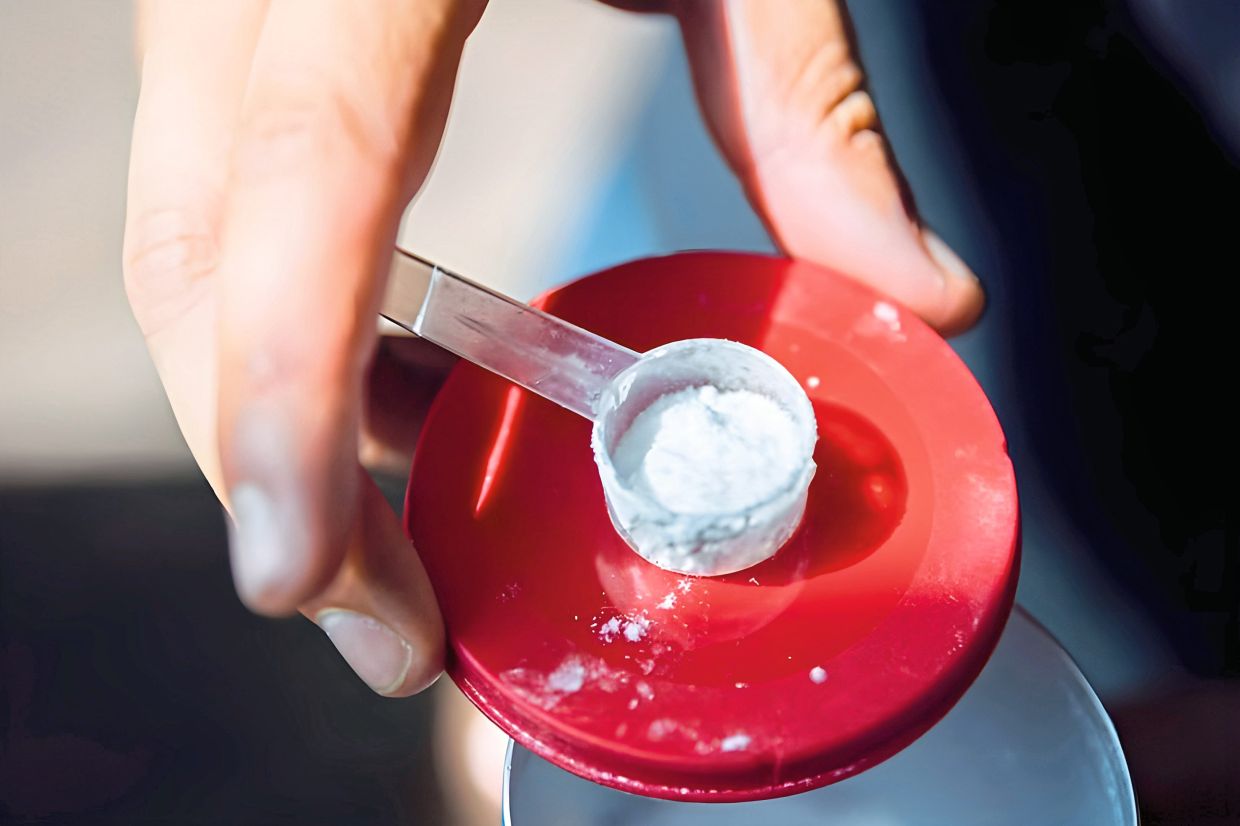
One of fitness culture's most stubborn myths is finally being laid to rest. Despite creatine being among the most extensively researched and widely used supplements globally, a persistent rumour about hair loss has deterred countless gym-goers and athletes from incorporating it into their regimens. Now, a comprehensive 2025 randomised controlled trial has provided the first direct scientific assessment of creatine's effects on hair health, offering definitive reassurance to anyone hesitant about this common supplement.
The hair loss concern originated from a single 2009 study that became wildly misinterpreted over the following decade and a half. Those researchers examined testosterone conversion patterns in resistance-trained athletes, observing an increased rate of testosterone converting to dihydrotestosterone (DHT). They cautiously suggested that creatine supplementation might facilitate this conversion and called for further investigation, given the supplement's popularity. However, critically, the original study made no actual measurements of hair loss, nor did any of the study participants report experiencing baldness. Yet because DHT is scientifically linked to androgenetic alopecia—pattern baldness—the findings were sensationalised and transformed into a cautionary tale about supplementation. The rumour took on a life of its own, spreading through gym communities and online forums for more than fifteen years despite lacking robust evidentiary support.
The new 2025 investigation, published in a peer-reviewed journal, finally addressed the gap in scientific evidence directly. Researchers recruited forty-five resistance-trained men aged eighteen to forty, randomly dividing them into two groups. One group consumed five grams of creatine monohydrate daily, while the control group received five grams of maltodextrin as a placebo. Participants maintained their ordinary diets and exercise routines throughout the study period, ensuring that the research measured creatine's isolated effects rather than confounding variables from diet or training changes.
The methodology employed multiple sophisticated measurement techniques to evaluate hormone levels and hair follicle integrity. Researchers collected blood samples at baseline and after twelve weeks to measure total testosterone, free testosterone, and DHT concentrations. To assess hair health comprehensively, they utilised the Trichogram test—a microscopic examination of hair follicle characteristics—and the FotoFinder system, an advanced imaging technology that quantifies hair density, follicular unit count, and cumulative hair thickness. This multi-pronged approach represented far more rigorous analysis than the earlier study that sparked the myth. Thirty-eight participants completed the full study protocol, providing adequate statistical power for meaningful conclusions.
The results delivered unambiguous findings. Researchers observed no statistically significant differences in DHT levels between creatine and placebo groups. The ratio of DHT to testosterone remained equivalent across both cohorts. Perhaps most importantly, every measured indicator of hair growth and follicle health—density, follicular unit count, and cumulative thickness—showed no meaningful variation between the supplement users and controls. The investigators explicitly characterised their work as the first study to directly evaluate hair follicle health following creatine supplementation, emphasising that it provides robust evidence contradicting claims that creatine contributes to hair loss.
Experts in sports science and exercise physiology have welcomed this research as a watershed moment for supplement education. Jose Antonio, an exercise physiologist at Nova Southeastern University in Florida, noted that few dietary interventions have accumulated as much supportive safety data as creatine. His perspective underscores how comprehensively this supplement has been investigated compared to many others flooding the market. The accumulated body of evidence now decisively demonstrates that creatine represents one of the rare supplements whose reputation accurately reflects its actual effects and safety profile.
For those concerned about potential hormonal effects, registered dietitian Kate Patton from Cleveland Clinic recommends consulting a physician before beginning supplementation, particularly if someone has specific worries about testosterone levels. However, she emphasises that no conclusive evidence supports claims that creatine either elevates testosterone or causes hair loss. This professional guidance balances reasonable caution with acknowledgement of current scientific consensus, offering a measured approach that respects individual health concerns while grounding recommendations in evidence.
Practical guidance for creatine users can enhance the supplement's effectiveness and user experience. Initial water weight gain represents a common and entirely normal phenomenon. Nutrition counsellor Carolyn Brown from Indigo Wellness Group notes that most individuals experience between two and four pounds of water retention during the first week of use, a temporary effect that often concerns newcomers unnecessarily. For those beginning supplementation, Brown recommends selecting creatine monohydrate specifically, as this form boasts the most extensive research and established safety profile among the various creatine formulations available.
Crucially, creatine's efficacy depends fundamentally on pairing supplementation with consistent resistance training. According to Paul Greenhaff, a professor of muscle metabolism at the University of Nottingham, creatine contains no calories and exerts no influence on fat metabolism. Consequently, consuming the supplement without engaging in structured exercise produces negligible results. This reality underscores an important principle: supplements enhance athletic performance and training outcomes, but they cannot substitute for genuine physical effort and commitment. The supplement operates as an adjunct to training, not as a standalone intervention.
Within the broader landscape of dietary supplements, creatine occupies a unique position as one of the rare products that genuinely delivers on its promises. Dr Jason Mitchell, executive vice president and chief medical officer at Geisinger, a major United States healthcare organisation, has described creatine as a genuinely safe supplement that has undergone extraordinarily thorough scientific scrutiny. His assessment reflects the supplement's exceptional research pedigree compared to countless other products making health claims with minimal supporting evidence. For Malaysian athletes and fitness enthusiasts who have postponed creatine use based on hair loss fears, this convergence of new rigorous research and expert consensus should provide substantial reassurance that the supplement remains a legitimate and evidence-backed choice for enhancing training outcomes.

