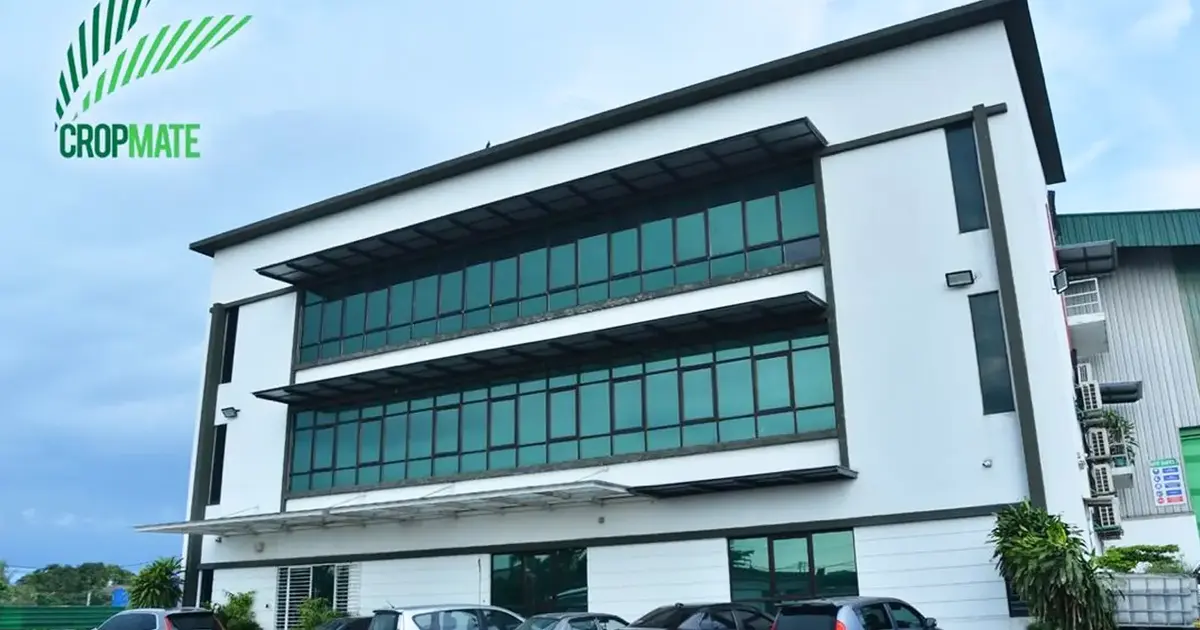
Malaysian fertiliser firm Cropmate has announced that its bank accounts, which had been frozen as part of an ongoing investigation, have now been released, marking a potential turning point for the agricultural inputs supplier as it navigates regulatory scrutiny.
The unfreezing of the accounts represents a significant development for the company's operations, which depend on steady cash flow to maintain supplier relationships, fund logistics, and meet payroll obligations across its workforce. For a business operating in the competitive fertiliser distribution sector, access to banking facilities is essential to executing purchase orders and honouring payment commitments to agricultural clients throughout Malaysia and the region.
In a statement addressing stakeholder concerns, Cropmate emphasised that throughout the investigation period, none of its employees—spanning from shop-floor staff to senior management and board-level directors—have been arrested or formally charged with any offence. This assertion is particularly significant given that regulatory investigations into corporate entities often result in individual liability determinations, and the absence of charges suggests either that investigative authorities have not identified grounds for personal culpability, or that proceedings remain preliminary.
The timeline and nature of the original account freeze remain unclear from available information, but such enforcement actions typically stem from financial irregularities flagged by banking institutions, regulatory bodies such as Bank Negara Malaysia or the Malaysian Anti-Corruption Commission, or law enforcement agencies during standard compliance checks. Agricultural commodity firms, which handle large volumes of cash and cross-border transactions for input imports, occasionally come under enhanced scrutiny for due diligence purposes.
For Malaysian agricultural stakeholders, Cropmate's operational restoration carries practical implications. The farming sector relies on a stable supply of quality fertilisers at predictable prices, and any disruption to major distributors can create bottlenecks, particularly during critical planting seasons. The company's return to unrestricted banking access should permit resumption of normal vendor payments and logistics coordination.
The release of accounts also signals confidence from investigating authorities, or at minimum, that immediate concerns prompting the freeze have been addressed or clarified. Regulatory agencies typically maintain account restrictions only while active investigation or compliance breaches require containment, suggesting that Cropmate may have satisfied information requests or remedied flagged issues.
Industry observers will note that fertiliser distribution in Southeast Asia operates within an increasingly complex regulatory environment. Beyond standard business licensing, firms must navigate environmental compliance, import-export documentation, pricing regulations in some jurisdictions, and anti-corruption frameworks. Malaysian companies particularly face scrutiny under the Malaysian Anti-Corruption Commission Act and Bank Negara's Know Your Customer protocols.
Cropmate's situation underscores the vulnerability of mid-sized commodity traders to regulatory intervention, even absent wrongdoing. The mere fact of a freeze, regardless of ultimate outcome, generates reputational questions and operational disruption that can affect supplier confidence and customer retention. The company's public statement reaffirming that no personnel face charges appears calculated to rebuild market perception and reassure agricultural partners that leadership continuity remains intact.
Looking forward, Cropmate's path forward depends partly on restoring stakeholder confidence and demonstrating transparent governance practices. Agricultural distributors increasingly face expectations around sustainable sourcing, financial disclosure, and compliance certifications that extend beyond traditional licensing requirements. The firm's ability to articulate the investigation's resolution and any lessons learned may determine its competitive position.
For Malaysian agriculture and the fertiliser supply chain more broadly, the resolution offers relief. Disruptions to major input suppliers can trigger cascading effects across farming communities, affecting planting schedules and crop yields. Cropmate's return to normal operations preserves supply continuity at a time when farmers are navigating challenging commodity prices and climate variability.
The case also reflects broader governance trends in Malaysian business. Corporate entities increasingly face regulatory attention regarding financial controls, beneficial ownership transparency, and transaction documentation. Cropmate's emergence from investigation with accounts unfrozen and personnel uncharges may encourage other firms to proactively strengthen compliance frameworks, reducing friction with authorities.
As Cropmate moves beyond this episode, management attention will focus on operational consolidation and strategic positioning. The fertiliser sector continues consolidation globally, with larger players acquiring regional competitors. For Cropmate to maintain independence and market share, restoring customer and supplier relationships affected by the investigation period will prove essential.
The company's announcement represents not merely an administrative resolution but a reset for its stakeholder relationships. Transparent communication about the investigation's outcome and any remedial measures undertaken will be critical to rebuilding confidence among farming communities, input buyers, and logistics partners who depend on stable, reliable fertiliser supply across Malaysia and neighbouring markets.

