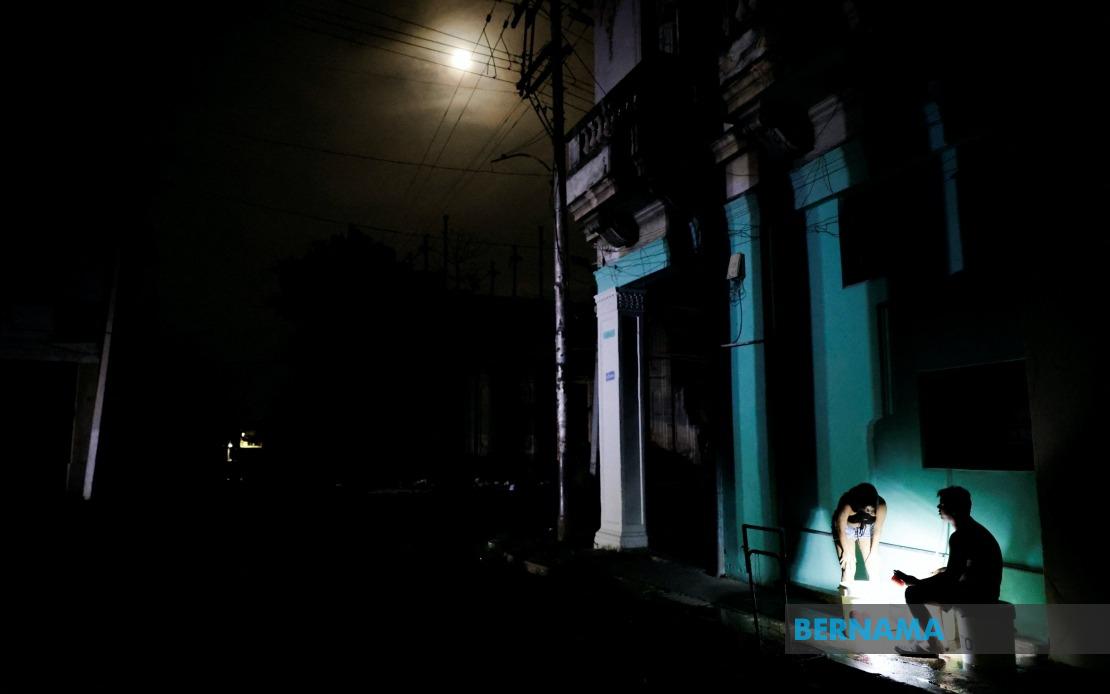
Cuba's electrical infrastructure has collapsed once again, leaving the entire nation without power. The state-owned electricity utility confirmed that the national energy grid failed on Sunday, triggering a complete countrywide blackout. This latest failure marks the first blackout recorded during August, though it follows an alarming pattern of three separate nationwide outages that occurred in July alone, underscoring the severity of the energy crisis now gripping the Caribbean island.
The precise trigger for Sunday's grid collapse remains undisclosed, with authorities offering no explanation for the specific technical or mechanical failure that led to the power outage. This lack of transparency reflects broader concerns about the state of Cuba's aging energy infrastructure, which has become increasingly fragile under mounting pressure from multiple simultaneous challenges. The repeated nature of these collapses suggests systemic vulnerabilities that extend beyond isolated incidents to encompass fundamental structural problems within the electrical system itself.
The human cost of Cuba's energy crisis is profound and immediate. Residents have adapted to a precarious existence where electricity availability has become unpredictable, forcing families to seize opportunities to use power whenever it becomes available. This uncertainty fundamentally disrupts essential daily activities—cooking meals, washing clothes, accessing the internet for communication and economic opportunities, and running air conditioning units during sweltering summer heat have all become contingent on whether power happens to be flowing at any given moment. This creates a survival mentality where Cubans must abandon normal routines and instead operate on an ad-hoc basis determined entirely by the electrical grid's operational status.
The cascading consequences of rolling blackouts extend far beyond household inconvenience. Businesses struggle to maintain operations, hospitals face challenges in delivering critical care, educational institutions cannot function normally, and the entire economy operates at significantly reduced capacity. For a Caribbean nation already facing substantial economic constraints, the energy crisis represents a multiplier effect that deepens poverty and limits opportunities for recovery and development. The social fabric of daily life has become unravelled by the constant uncertainty surrounding power availability.
Recognizing the severity of the situation, Cuba's government has begun implementing reforms aimed at addressing the energy shortage while simultaneously stimulating broader economic activity. Prime Minister Manuel Marrero Cruz announced in July that authorities had given approval for the country's inaugural foreign investment arrangement focused on importing and distributing fuel. This marks a significant policy shift, as it represents Cuba's willingness to engage with international investors despite historical barriers and ideological constraints surrounding foreign capital participation in the economy.
Beyond fuel import arrangements, the government has authorized nearly 200 businesses to participate in wholesale fuel distribution operations. This expansion of private sector involvement in fuel distribution represents a substantial opening of the economy compared to previous periods of centralized state control. Such measures suggest that Cuban policymakers recognize that state-run utilities alone cannot solve the energy crisis and that private enterprise participation may be necessary to achieve meaningful improvements in power supply and energy availability across the nation.
Additionally, Cuban lawmakers have approved regulatory changes that permit private investment participation in the tourism sector, another critical source of foreign currency earnings. This dual approach—simultaneously addressing energy infrastructure while opening sectors like tourism to private capital—suggests a strategic pivot toward market mechanisms as a potential solution to multiple interlocking economic problems. These reforms indicate that the government recognizes the necessity of fundamental structural changes to address systemic failures.
However, Prime Minister Marrero has tempered expectations about the timeline for improvement, emphasizing that meaningful results will emerge only gradually. His characterization of the reform process as entering its most difficult stage suggests that the government anticipates significant obstacles, resistance, and complications as these policies are implemented. The acknowledgement that reforms are incremental and time-consuming reflects realistic expectations about the pace of institutional and infrastructural change, rather than promises of quick fixes.
For Malaysia and other Southeast Asian nations, Cuba's energy crisis offers important lessons about infrastructure planning, maintenance, and investment. The collapse of the electrical grid demonstrates how underinvestment and deferred maintenance in critical infrastructure can eventually trigger system-wide failures with severe consequences for economic productivity and quality of life. Southeast Asian governments should recognize that energy security requires continuous modernization and adequate funding, not merely reactive crisis management when failures occur.
Moreover, Cuba's gradual opening to foreign investment and private sector participation in previously state-controlled sectors may signal broader regional trends in the Caribbean and beyond. Governments facing resource constraints increasingly recognize that state monopolies alone cannot deliver the infrastructure and services required by modern economies. This pragmatic shift away from purely centralized models toward mixed public-private arrangements may become more prevalent across developing economies struggling with similar infrastructure deficits and fiscal limitations.
The unfolding energy crisis in Cuba also underscores the vulnerability of island economies that depend heavily on imported fuel and lack diversified energy generation capacity. For maritime nations in Southeast Asia, including Malaysia, this serves as a cautionary example of the risks inherent in energy systems that lack resilience, diversity, and adequate reserves. Building redundancy into electrical grids, investing in renewable energy sources, and maintaining adequate fuel stockpiles represent essential components of comprehensive energy security strategies.
As Cuba continues implementing its reform agenda, the success or failure of these initiatives will significantly influence both the island's economic trajectory and the broader conversation about economic liberalization in the Caribbean region. The stakes extend beyond Cuba itself, as other developing nations facing similar infrastructure challenges will monitor whether market-oriented reforms can effectively address the structural problems that centralized systems have failed to solve. For now, Cuba's residents continue enduring blackouts as policymakers gamble on incremental reforms to reverse years of underinvestment and systemic decline.

