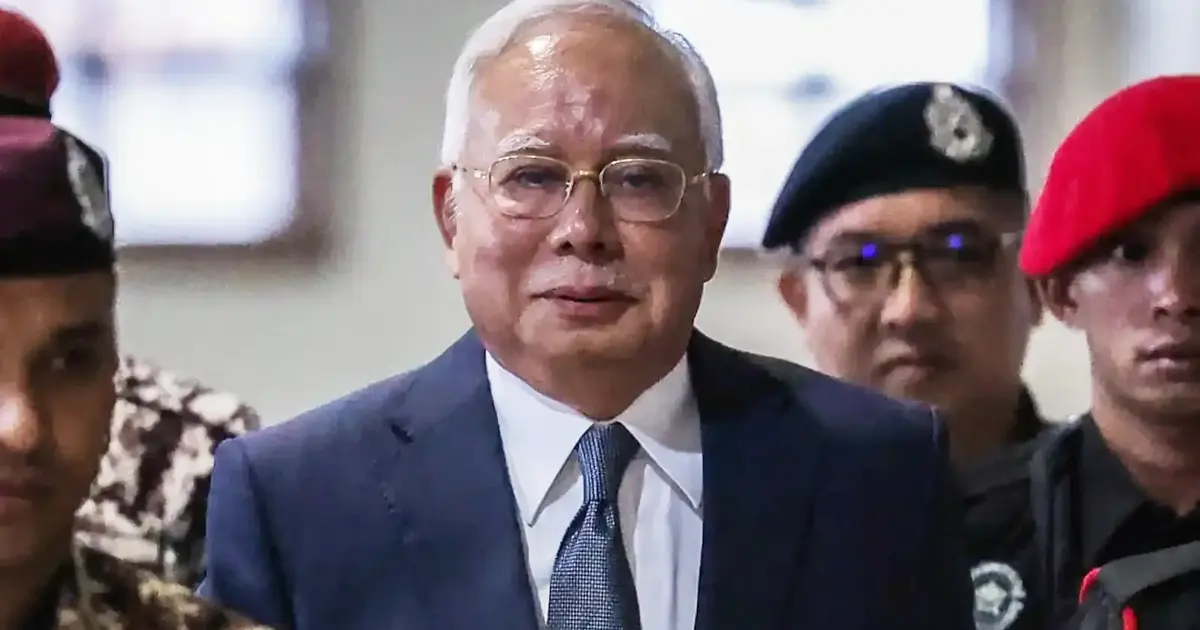
The question of whether Malaysia's Chinese-majority MCA party backs Umno's persistent push for former Prime Minister Najib Razak's release has become a focal point of coalition tensions, with DAP lawmaker Ong Hui Xue demanding the party break its silence on the contentious issue.
Ong's challenge underscores a widening fault line within the Umno-led government coalition over how to handle Najib's imprisonment, which has become increasingly central to Umno's political strategy. While Umno leaders have stepped up their public campaign for a full pardon over recent months, the MCA has notably refrained from endorsing these calls, leaving its position ambiguous and inviting scrutiny from opposition figures.
The timing of the DAP's intervention is strategically significant. With Malaysia's political landscape marked by coalition fragmentation and shifting allegiances, the question of whether a component party supports freeing a convicted former leader carries implications beyond the immediate issue. It touches on fundamental questions about the ruling coalition's internal cohesion, the rule of law, and how different ethnic communities view judicial outcomes in Malaysia.
Najib's conviction and imprisonment stemmed from his role in the 1Malaysia Development Berhad scandal, one of the most significant financial and corruption cases in Malaysian history. His legal battles have dragged on through multiple appeals and court proceedings, with various political figures and party structures attempting to influence the trajectory of justice through clemency mechanisms. The push for his pardon represents a significant political movement rather than a fringe concern.
Umno's willingness to champion Najib's release reflects the party's internal dynamics and its view of political loyalty transcending legal verdicts. Senior Umno figures have publicly advocated for administrative action to free him, framing it in terms of fairness and political reconciliation. This stance has become increasingly brazen, with less concern for how it appears to the broader Malaysian public or to international observers monitoring Malaysia's commitment to the rule of law.
The MCA's apparent reluctance to align with Umno on this matter is telling. As a party historically representing Chinese business and professional interests, the MCA must balance various considerations. Supporting a full pardon for Najib could alienate segments of its support base concerned with governance standards and anti-corruption principles. Conversely, openly opposing Umno risks weakening coalition unity at a time when Umno faces other political pressures.
Ong's public call for MCA clarification forces the party into an uncomfortable position where silence itself becomes a political statement. By not declaring a position, the MCA implicitly distances itself while avoiding the political cost of explicit opposition. This strategy may prove unsustainable as the pressure from both Umno and opposition parties intensifies.
The broader implications for Malaysian politics are substantial. Coalition governments depend on member parties accepting collective positions or maintaining decorous silence on contentious matters. When opposition figures begin pressing coalition partners on specific issues, it signals underlying fractures that could eventually affect governance. The Umno-MCA-Gerakan alliance that has dominated Malaysian politics for decades shows signs of strain, with different parties pursuing increasingly divergent political interests.
For Malaysian readers, particularly those of various ethnic backgrounds concerned with consistent application of law and anti-corruption standards, this episode reflects deeper questions about political accountability. Whether former leaders can leverage party machinery and government structures to escape legal consequences has become a central concern in public discourse. The apparent willingness of significant political forces to pursue such outcomes raises questions about the independence of Malaysia's judicial and executive institutions.
The situation also carries regional implications. Southeast Asia's standing as a region committed to fighting corruption and maintaining institutional integrity depends partly on how individual nations handle high-profile cases involving former leaders. Malaysia's management of the Najib case influences how other countries assess the region's governance standards and whether international investment confidence remains justified.
MCA's eventual response to Ong's challenge will reveal much about current coalition dynamics and how individual parties prioritise their own political interests versus collective positioning. Whether the party opts for explicit endorsement, clear opposition, or continued circumspection will have ramifications for understanding Malaysian coalition politics going forward and may influence how Chinese-Malaysian voters assess the party's commitment to principles versus pragmatic power-sharing arrangements.

