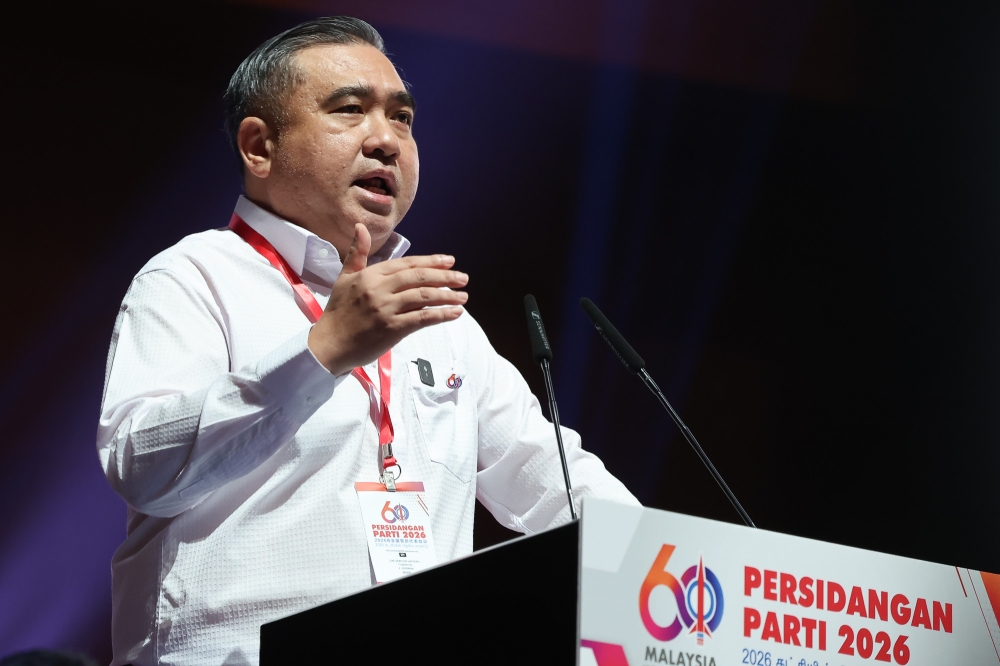
The Democratic Action Party has thrown its full weight behind Prime Minister Datuk Seri Anwar Ibrahim's commitment to abolish the AUKU (Akta Universiti dan Kolej Universiti) law, signalling broad coalition consensus on one of the government's flagship reform initiatives. The announcement, made in Putrajaya, represents a significant alignment within the federal administration on an issue long considered a litmus test for democratic freedoms in Malaysia's higher education sector.
The AUKU legislation, which has governed university student conduct and restrictions since 1971, has drawn persistent criticism from civil society, academic communities, and international observers for its provisions that curtail campus activism and student political participation. By pledging unconditional support for its repeal, DAP underscores the Pakatan Harapan coalition's broader agenda to dismantle what it characterises as authoritarian vestiges inherited from previous administrations. This convergence on AUKU abolition reflects a key campaign promise made during the 2022 election cycle, when reformist parties positioned themselves as champions of institutional change.
Beyond expressing support for the AUKU repeal, DAP leadership has articulated a more expansive vision of what constitutional and legislative reforms should accompany the measure. Party figures argue that simply removing the AUKU statute would be insufficient without simultaneously addressing the broader legal and administrative frameworks that inhibit freedoms of assembly, expression, and political discourse on university campuses. This position suggests DAP views AUKU repeal as an entry point rather than the endpoint of institutional transformation, a nuance that distinguishes their stance from potentially more limited interpretations of the government's reform agenda.
The timing of DAP's public confirmation carries strategic significance within Malaysia's fractious coalition politics. With the government navigating competing demands from multiple parties within Pakatan Harapan, explicit statements of support from a major component party like DAP provide political cover for Anwar's administration as it constructs legislative packages for parliamentary consideration. AUKU abolition requires constitutional amendment, a process demanding substantial parliamentary majorities and cross-party cooperation—a context in which securing public endorsement from senior coalition partners becomes tactically important.
For university students and academic communities, the potential AUKU repeal represents a transformative moment with implications extending far beyond legislative technicalities. Current restrictions on campus political activities have effectively prevented students from organising independently, hosting political speakers, or engaging in formal political association—constraints that have persisted through multiple governments and become institutionalised within Malaysian higher education. The prospect of restoration of campus political freedoms resonates with student movements across Southeast Asia, where several neighbours have recently experienced student-led political mobilisation with significant societal impact.
The Malaysian higher education sector itself faces mounting international scrutiny regarding academic freedom and institutional autonomy. University rankings increasingly incorporate metrics measuring freedom of expression and research independence, areas where Malaysia's restrictive regulatory environment has attracted negative assessment from international evaluators. Abolishing AUKU could materially improve Malaysia's standing on these benchmarks, potentially enhancing the international competitiveness of Malaysian universities as they compete for talent and research partnerships in an increasingly globalised academic marketplace.
Implementing AUKU repeal will require complementary legislative action to establish governance frameworks for student organisations and campus conduct. DAP's insistence on broader reforms suggests the party intends to push for comprehensive legislation that establishes positive rights and protections for student expression rather than merely removing prohibitive statutes. This distinction matters considerably—repealing AUKU without establishing robust legal protections for academic and campus freedoms could create ambiguity regarding students' actual entitlements to organise and participate in political activity.
The coalition's commitment to AUKU abolition also intersects with ongoing debates about university governance and institutional autonomy more broadly. Malaysian public universities operate under legislation granting government substantial supervisory authority, a legacy of the sector's historical development as a state institution. Meaningful expansion of student freedoms presupposes corresponding reforms to university governance structures and administrative autonomy, suggesting that AUKU repeal may catalyse wider institutional recalibration affecting how universities interact with both government and student bodies.
Politically, DAP's full-throated backing of Anwar's reform agenda demonstrates the party's continued commitment to the coalition despite periodic tensions over policy priorities and resource allocation. As the largest predominantly ethnic Chinese party in parliament, DAP's support carries symbolic weight beyond numerical representation, signalling to voters and observers that the coalition maintains cohesion on substantive reform initiatives. This alignment may prove consequential as the government faces electoral cycles and the need to maintain coalition viability.
International observers, including the United Nations, have periodically raised concerns about AUKU provisions in periodic reviews of Malaysia's human rights record. Abolishing the statute would represent tangible progress on an issue repeatedly highlighted in international human rights mechanisms, potentially improving Malaysia's standing in global assessments of governance and democratic practice. For Southeast Asia more broadly, Malaysia's AUKU repeal could set a regional precedent encouraging other governments to reconsider restrictive campus legislation in their own higher education sectors.
The pathway toward formal repeal, however, remains contingent on parliamentary arithmetic and potential resistance from conservative constituencies who view campus political liberalisation with apprehension. While coalition unity on the principle appears secured, translating that agreement into legislative reality requires sustained political will and effective parliamentary management. The coming months will reveal whether DAP's categorical support translates into effective legislative advocacy and whether unforeseen obstacles emerge during the formal amendment process.

