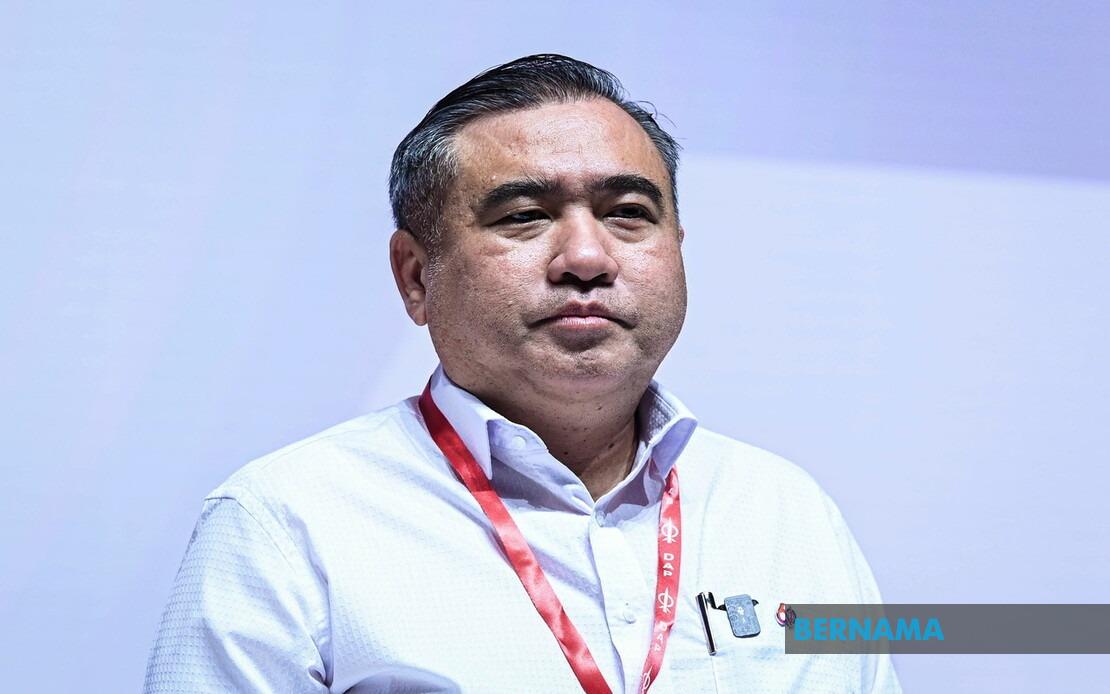
The Democratic Action Party will formally petition the government through Cabinet discussions to adopt a more decisive and assertive stance in policymaking, party secretary-general Anthony Loke announced today after the party's 2026 national conference concluded in Putrajaya. The pledge comes on the heels of the party's decision to remain within the Unity Government coalition, a choice that garnered broad but not unanimous support among the grassroots membership.
At the conference held at the Putrajaya International Convention Centre, DAP members engaged in candid deliberations about the party's future direction and its role within the governing coalition. These discussions revealed underlying tensions within the party about the pace and scope of reforms, with some delegates expressing frustration that the government has not moved quickly enough on key governance initiatives. Rather than suppressing these critical voices, Loke framed the open debate as a healthy democratic exercise that surfaced legitimate concerns warranting serious consideration by party leadership.
The membership vote on remaining in the Unity Government reflected overwhelming support but acknowledged minority opposition. Of the 2,106 ballots cast, 1,857 delegates favoured continued participation in the coalition while 242 opposed it, representing an 88 to 12 per cent split. Seven ballots were spoilt in the process. Loke emphasised that despite the decisive outcome, the party would not penalise those who voted against remaining in government, underlining DAP's commitment to internal democratic norms and protecting the space for dissenting opinion within its ranks.
The specific grievances aired by delegates centred on the government's pace of implementation on several key fronts. Party members expressed concern that reforms already agreed upon in principle have moved too slowly through the machinery of state. These include the constitutional separation of the Attorney-General's office from the Public Prosecutor position, a measure long championed by reformers as essential to judicial independence. Additionally, delegates called for the formal limitation of the Prime Minister's tenure to two consecutive terms, a restraint on executive power that aligns with international democratic best practice. Efforts to strengthen anti-corruption measures also featured prominently in members' feedback.
Loke's comments regarding the nature of these reform initiatives carry particular significance for understanding the DAP's negotiating position within the broader Unity Government framework. The party secretary-general rejected opposition claims that DAP was attempting to impose its own agenda through the conference platform. Instead, he characterised the proposed reforms as shared commitments that had already been endorsed across multiple levels of the coalition, from the Pakatan Harapan component parties to the government's formal manifesto presented to voters in the most recent election. This framing allows DAP to legitimately argue that pursuing these reforms represents fidelity to a pre-existing compact rather than partisan manoeuvring.
The decision to channel delegates' concerns through Cabinet discussions represents a calculated approach to maintaining DAP's influence within the Unity Government while respecting the coalition's internal hierarchy and decision-making structures. By elevating these issues through official Cabinet channels rather than pursuing them through public pressure campaigns, the party signals its commitment to working constructively within the coalition while demonstrating to its base that leadership takes their concerns seriously. This methodical approach contrasts with the more confrontational tactics that opposition parties might employ, reflecting DAP's pragmatic assessment that influence wielded from within government structures yields better results than agitation from the sidelines.
The conference outcome reveals the careful balance DAP must maintain between honouring its electoral promise to participate in reformist government and satisfying grassroots expectations for tangible progress. The 88 per cent mandate provides clear legitimacy for continued participation, yet the 12 per cent opposition and the critical views aired during debate indicate that party members expect accelerated delivery on governance transformation. Loke's acknowledgment that these concerns will be formally presented to Cabinet suggests the party intends to increase pressure on its coalition partners to expedite implementation of agreed-upon reforms.
For Malaysian and Southeast Asian observers, DAP's approach illustrates the tension inherent in coalition governance, particularly when reformist parties join with more established structures. The willingness to maintain internal debate and respect minority opinion reflects institutional maturity, yet the decision to bring grassroots pressure to bear within Cabinet discussions indicates the party will not indefinitely tolerate perceived foot-dragging on transformative initiatives. This dynamic will likely shape the trajectory of governance reform over the coming months, with DAP effectively armed with a fresh democratic mandate to escalate its calls for action.
The broader implications extend beyond internal coalition dynamics. Southeast Asian democracies frequently struggle to translate electoral mandates into substantive policy change, often hampered by bureaucratic resistance, institutional inertia, or competing priorities. DAP's explicit commitment to channel delegate feedback through formal government channels while respecting coalition discipline offers a potential model for managing reform pressure within multi-party governing arrangements. Whether this approach yields accelerated implementation of governance reforms or merely channels frustration through established hierarchies will become apparent as the Cabinet processes the party's formal submissions.
Loke's careful language throughout the press conference suggests DAP leadership recognises the fragility of the Unity Government and the risks of appearing disloyal to coalition partners. Yet the party also understands that its support base expects visible progress on core reform issues. The decision to formalise grassroots concerns through Cabinet submissions allows DAP to navigate this tension by demonstrating responsiveness to members while avoiding public confrontation that might destabilise the coalition. Whether this calibrated approach proves sufficient to satisfy restless party members remains to be seen as implementation timelines for key governance reforms come into sharper focus.

