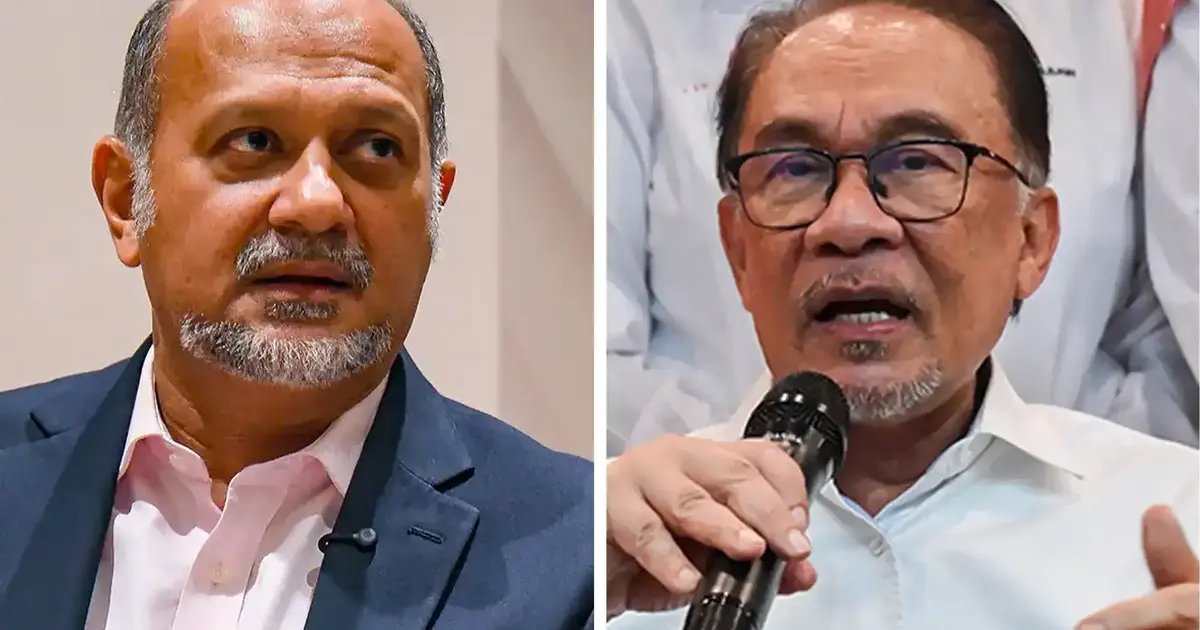
The Democratic Action Party is intensifying pressure on Prime Minister Anwar Ibrahim to establish a legal framework guaranteeing equal financial allocation to every Member of Parliament, regardless of their political affiliation. Party veteran Gobind Singh Deo emphasized that the issue has been raised repeatedly in discussions with the premier, yet concrete legislative action remains pending.
The call reflects growing frustration within DAP ranks over what the party views as an inherent imbalance in how constituency development funds are distributed across Malaysia's parliamentary system. Unlike systems that mandate uniform allocations, the current framework allows significant discretion in determining which MPs receive funding and in what proportions, creating what opposition figures argue is an uneven playing field that disadvantages non-government lawmakers.
Gobind Singh Deo's public statement signals that private appeals have not yielded the desired results, prompting DAP to escalate its advocacy to the public and parliamentary sphere. This strategic shift suggests the party believes public pressure and broader parliamentary consensus may be necessary to move Anwar's administration toward codifying equal MP funding into legislation rather than relying on administrative goodwill or informal agreements.
The inequality in funding mechanisms creates practical difficulties for opposition MPs seeking to serve their constituents effectively. Those representing areas where government-aligned parties dominate federally or at state level often struggle to access resources for infrastructure projects, community programmes, and constituent services that government MPs can more readily secure. This disparity directly affects constituent satisfaction and political competitiveness, making the issue deeply relevant to electoral dynamics and parliamentary representation quality.
Malaysia's federal structure adds complexity to this matter. Funding pathways frequently operate through multiple channels—federal ministries, state governments, and local authorities—meaning an opposition MP in a government-controlled state faces additional structural disadvantages compared to government-aligned counterparts. A uniform legislative framework would need to navigate these institutional complexities while ensuring genuine parity across diverse political and geographic circumstances.
Fromthe DAP perspective, enshrining equal funding into law would represent a significant institutional reform strengthening parliamentary democracy and ensuring that electoral outcomes determine government composition rather than resource access itself conferring political advantage. It reflects broader concerns about ensuring fair competition and preventing incumbency advantages from becoming crystallized into structural funding disparities that persist across electoral cycles.
Anwar's Pakatan Harapan coalition comprises parties holding diverse views on resource distribution and governance philosophy. Finding consensus within the ruling coalition to push through such legislation may present internal political challenges, particularly if some partners view selective fund allocation as a tool for rewarding supporters or disciplining wayward MPs within their own party structures.
The timing of DAP's renewed push coincides with ongoing parliamentary discussions about strengthening legislative institutions and parliamentary oversight. Proponents of equal MP funding argue it aligns with contemporary democratic governance standards and would enhance Malaysia's standing as a parliamentary democracy genuinely committed to equitable representation regardless of party lines.
Implementing such a system would require establishing clear criteria for funding distribution and eliminating discretionary mechanisms that currently permit political considerations to influence allocation decisions. The legislative framework would need to specify funding sources, distribution formulas, oversight mechanisms, and enforcement procedures to prevent circumventing the law through alternative channels or selective implementation.
Regionally, Malaysia's approach to MP funding carries implications for how other Southeast Asian democracies structure parliamentary resources. Countries grappling with similar representation and fairness issues look toward Malaysian developments as potential models or cautionary examples of how funding mechanisms either strengthen or undermine democratic institutions and fair political competition.
DAP's advocacy also reflects a broader DAP-Anwar relationship dynamic that has evolved since the 2022 general election restored a government after Malaysia's unprecedented period of political instability. While supporting the Anwar administration on key votes, DAP maintains distinct policy positions and presses for specific reforms aligned with its democratic governance agenda.
The party's persistence on this issue suggests it remains a priority for DAP membership and supporters who value institutional equity and believe current arrangements disadvantage opposition representatives unfairly. Continued advocacy pressure may eventually compel serious legislative consideration, particularly if the issue gains traction in broader parliamentary and civil society discourse about democratic reform and institutional strengthening in Malaysia's evolving political landscape.

