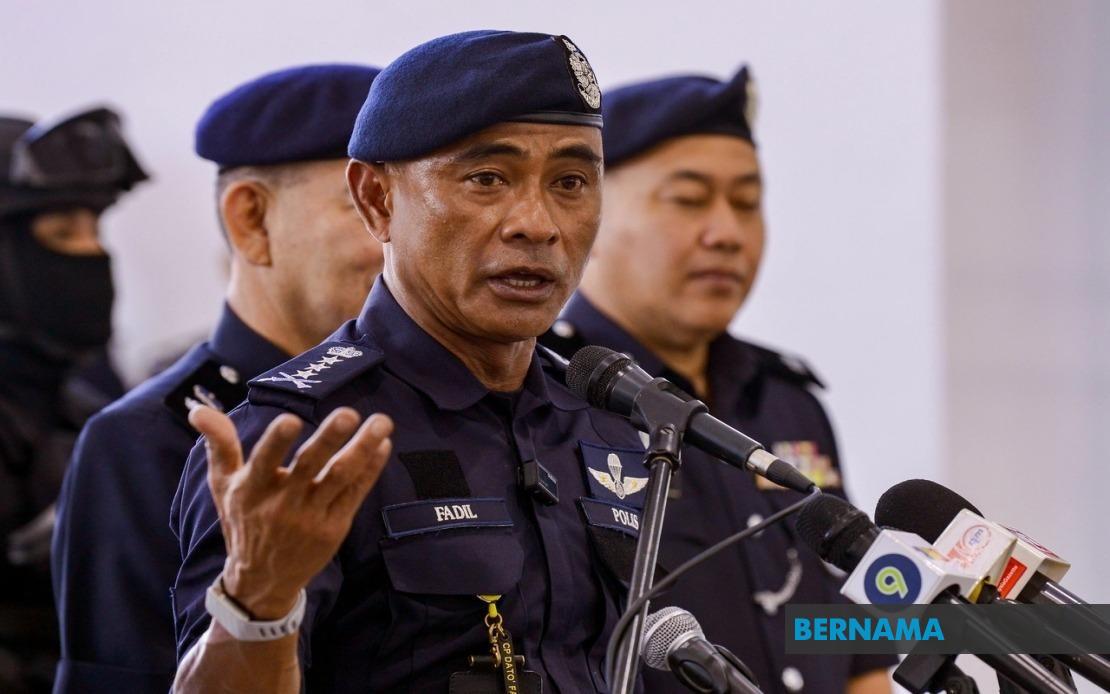
The Kuala Lumpur police department is preparing to stage a significant public gathering at Dataran Merdeka in the early morning of Monday, July 20th, when the FIFA World Cup 2026 final will be broadcast live on a colossal outdoor screen. According to Kuala Lumpur police chief Datuk Fadil Marsus, this screening represents one of the centrepiece attractions of the ongoing "Unity Merdeka" initiative, a multi-week celebration that commenced recently and extends through the following Sunday. The ambitious undertaking brings together the Kuala Lumpur police force alongside representatives from 16 different government ministries in a coordinated effort to create a memorable communal experience.
The broader Unity Merdeka programme has been constructed around the principle of strengthening bonds between Malaysia's diverse ethnic and cultural communities through shared experiences and inclusive programming. Datuk Fadil indicated that a comprehensive schedule of activities is scheduled to commence at eight o'clock in the evening on Sunday, culminating in the live transmission of the championship match. The police leadership has established an optimistic target of drawing approximately 300,000 members of the public to Dataran Merdeka for the occasion, viewing this convergence not merely as a sporting spectacle but as an opportunity to reinforce national cohesion during a significant global event.
The ambitious scale of the gathering has prompted discussion about potential records. Datuk Fadil noted that the organisers harbour expectations that the crowd assembled at Dataran Merdeka for the World Cup final broadcast may qualify for recognition in the Malaysia Book of Records, suggesting that the police are framing this event within a broader narrative of national achievement and shared pride. This desire to create a record-breaking moment reflects an understanding that major sporting occasions can serve purposes beyond entertainment, functioning as platforms for collective national expression.
The Unity Merdeka programme itself operates under the thematic banner "Diversity United, Wellbeing Preserved," signalling an intentional commitment to celebrating Malaysia's multicultural identity whilst promoting community welfare. The initiative encompasses a diverse portfolio of activities spanning welfare services, artistic performances, educational components, religious observances, family-oriented programming, and entertainment offerings. This deliberate breadth of content indicates that organisers have designed the programme to appeal across demographic lines, ensuring that visitors of varying ages and interests can find relevant engagement opportunities throughout Dataran Merdeka.
Activities at the venue extend considerably beyond the World Cup screening itself. The government agencies participating in the programme have established numerous interactive booths and exhibition spaces designed to educate and engage the public. Security and government organisations including the Royal Malaysia Police, Malaysian Armed Forces, Fire and Rescue Department, and Ministry of Health have prepared dedicated stands, allowing citizens to interact directly with these institutions whilst learning about their roles and functions. These educational components serve to bridge the frequently observed gap between government agencies and the communities they serve.
The launch of the Unity Merdeka programme included a Fun Run event that drew approximately 2,000 participants across a five-kilometre course at Dataran Merdeka. This running event was deliberately framed as an opportunity to strengthen relationships between the police force and the broader Kuala Lumpur community, moving beyond traditional enforcement relationships toward community partnership models. Among the participants was Kuala Lumpur deputy police chief DCP Datuk Mohd Azani Omar, demonstrating institutional commitment to the programme through visible leadership participation. The inclusion of 16 members from the Crime Journalists Association added media representation to the proceedings, ensuring coverage of the initiative.
The selection of the FIFA World Cup final as a focal point for this unity programme reflects broader recognition of sports' capacity to transcend conventional social and political divisions. The World Cup, as a globally anticipated event capturing public attention across economic and social strata, provides an unusually powerful moment for national authorities to orchestrate shared experiences. By positioning the championship match within a larger framework of national unity programming, the Kuala Lumpur police have created an opportunity to associate their institution with positive community engagement rather than purely enforcement functions.
The timing of the final viewing in the early morning hours of Monday presents both logistical challenges and symbolic significance. The unusual scheduling—dictated by the match timing rather than local preference—itself becomes a testament to global connectivity and Malaysia's participation in worldwide cultural moments. The willingness of 300,000 residents to gather at an unconventional hour for a shared viewing experience demonstrates the enduring appeal of major sporting events and the appetite among Malaysians for collective celebration.
For Malaysia's multicultural society, events such as this Unity Merdeka programme carry particular importance. The explicit emphasis on unity and diversity in the programme's design reflects ongoing national priorities around social cohesion and interfaith understanding. By creating spaces where Malaysians of different backgrounds gather to celebrate a global sporting moment together, authorities attempt to build and reinforce the social fabric that underpins national stability. The Dataran Merdeka location itself—a historically significant space of national importance—amplifies this symbolic dimension.
The involvement of 16 different government ministries indicates that this is not merely a police public relations exercise but rather a coordinated whole-of-government initiative. This ministerial participation suggests that Malaysian authorities view the World Cup screening as sufficiently important to warrant cross-sectoral involvement, lending institutional weight to the unity messaging. The diversification of programming across welfare, health, security, defence, and cultural domains ensures that the event addresses multiple dimensions of public concern and interest simultaneously.
As Malaysia anticipates the World Cup final broadcast, this gathering at Dataran Merdeka represents a distinctive approach to leveraging global sporting moments for domestic social objectives. Rather than treating the match as an isolated entertainment spectacle, Malaysian authorities have embedded it within a comprehensive programme designed to advance specific national goals around community cohesion and government-citizen engagement. The success of this venture—measured both in attendance figures and in the quality of communal experience—may influence how Malaysia approaches future major global sporting events.

