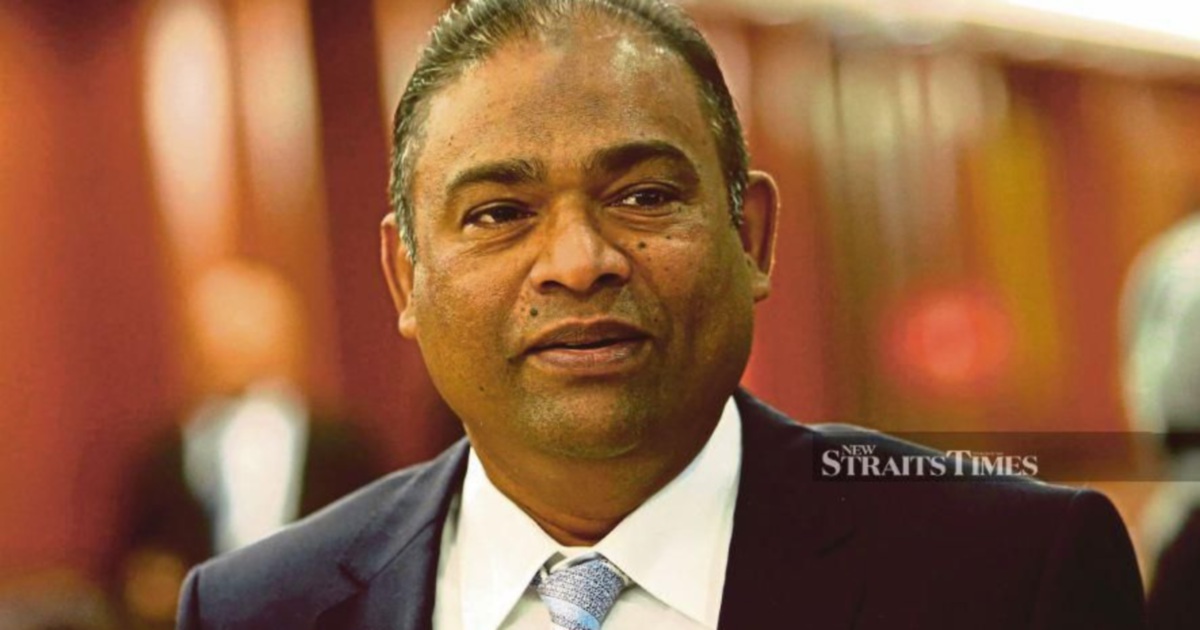
The family of former Tabung Haji chairman Datuk Seri Abdul Azeez Abdul Rahim has issued a statement disputing reports suggesting his arrest, with his son Mohamed Khairul Azman publicly clarifying that no such detention took place. The clarification comes amid speculation surrounding the prominent figure's interaction with the Malaysian Anti-Corruption Commission, an issue that has attracted considerable public attention in recent days.
Mohamed Khairul Azman's statement represents an attempt to correct what the family views as erroneous information circulating in public discourse. The precision of the clarification—specifically addressing the nature and timing of any MACC engagement—underscores the seriousness with which the family regards the matter. Such public corrections are typically issued when there is significant concern about reputational impact or when misinformation threatens to spread unchecked through media and social platforms.
Tabung Haji, Malaysia's pilgrimage fund management authority, has been at the centre of various governance and operational discussions in recent years. As a former chairman of this significant national institution, Datuk Seri Abdul Azeez held a position of considerable responsibility overseeing pilgrim savings and investments. His leadership tenure would have encompassed critical decisions affecting hundreds of thousands of Malaysian savers and their families planning their Hajj journeys.
The emergence of clarifications regarding MACC interactions highlights the complexity of navigating corruption investigations within Malaysia's institutional landscape. The Anti-Corruption Commission operates with substantial investigative powers and public visibility, meaning that even preliminary inquiries can generate considerable media interest and public speculation. The distinction between voluntary cooperation, questioning, and formal arrest carries significant legal and reputational implications.
For Malaysian readers, the situation raises broader questions about transparency and accountability within major national institutions. Tabung Haji's operations directly impact millions of Malaysian families, making its governance and the integrity of its leadership structures matters of widespread national concern. Any investigations or inquiries touching upon the organisation's leadership naturally attract scrutiny from pilgrims, religious organisations, and the general public.
The timing and nature of MACC activities involving former senior officials can reflect ongoing regulatory efforts to strengthen institutional governance. Malaysia's anti-corruption framework has evolved significantly, with the MACC demonstrating increased capacity and determination to investigate high-level figures across both public and private sectors. This broader context suggests that interactions between former officials and the commission may reflect routine investigative procedures rather than immediate evidence of wrongdoing.
Mohamed Khairul Azman's intervention in the public discourse demonstrates how families and associates of prominent figures respond to information they perceive as inaccurate. Such clarifications serve multiple purposes: they address immediate reputational concerns, establish a public record of their version of events, and potentially shape subsequent media coverage and public understanding. The decision to issue a statement rather than remain silent reflects judgment about the severity of the misinformation and its potential consequences.
From a governance perspective, the incident illustrates the intersection between institutional accountability mechanisms and public perception management. While anti-corruption investigations serve the essential democratic function of scrutinising the conduct of public officials, the processes generate collateral effects on reputation, family dynamics, and broader institutional confidence. Malaysian society's engagement with these issues reflects mature democratic participation where citizens and media closely monitor official conduct.
The clarification also resonates within Southeast Asia's broader context of anti-corruption efforts. Regional neighbours including Indonesia, the Philippines, and Thailand have undertaken similar governance reforms, with respective anti-corruption commissions pursuing high-profile investigations. Malaysia's approach, as evidenced through MACC activities, positions the country within this regional trajectory toward enhanced institutional integrity and accountability standards.
For stakeholders in Tabung Haji—particularly the millions of Malaysians who have entrusted their savings to the institution—reassurance about the organisation's governance and leadership integrity holds tangible importance. Investigations touching upon former leadership, whether they progress to formal actions or conclude with clarifications, affect public confidence in the institution's financial management and stewardship of pilgrim funds. This connection between institutional integrity investigations and public trust underscores why clarifications receive careful attention.
Moving forward, the situation underscores the importance of clear, timely communication from both official authorities and individuals involved in significant investigative matters. The gap between public perception and actual events can be rapidly bridged through transparent disclosure of accurate information. For Datuk Seri Abdul Azeez and his family, the clarification represents an effort to align public understanding with their account of interactions with the MACC.

